

Learn which documents are commonly required for institutional flooring tenders in Kenya and how to prepare a complete, compliant bid.
Institutional Flooring Tender projects require more than a competitive price and attractive product samples. When a contractor or supplier is responding to a tender from a school, hospital, university, county government, government department, NGO, religious institution or other large organisation, the flooring offer may need to satisfy a combination of technical, commercial, statutory and procurement requirements.
A bidder can have suitable SPC flooring, vinyl flooring, carpet tiles or other flooring products and still lose a tender because a mandatory document is missing, expired, incorrectly completed or inconsistent with the tender instructions.
For companies pursuing institutional flooring tenders in Kenya, preparation should therefore begin before the tender is submitted.
Shop Vinyl Flooring
View all Vinyl Flooring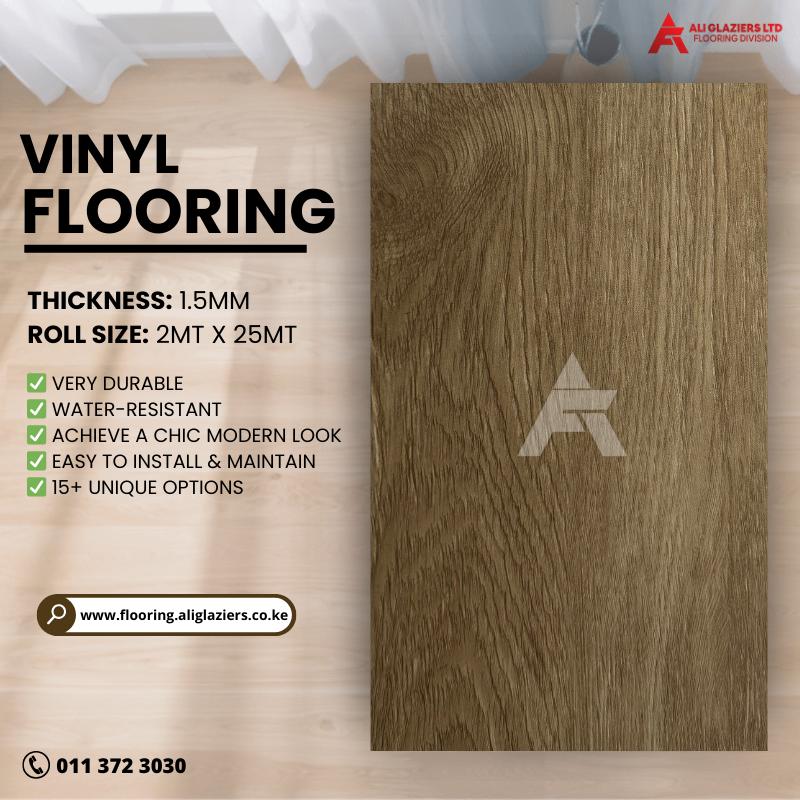
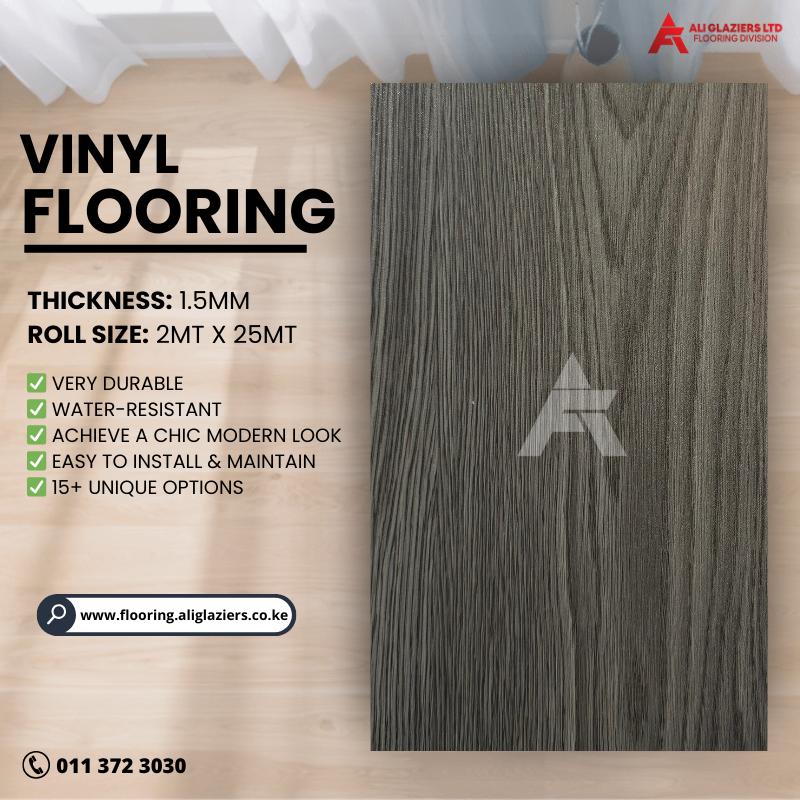
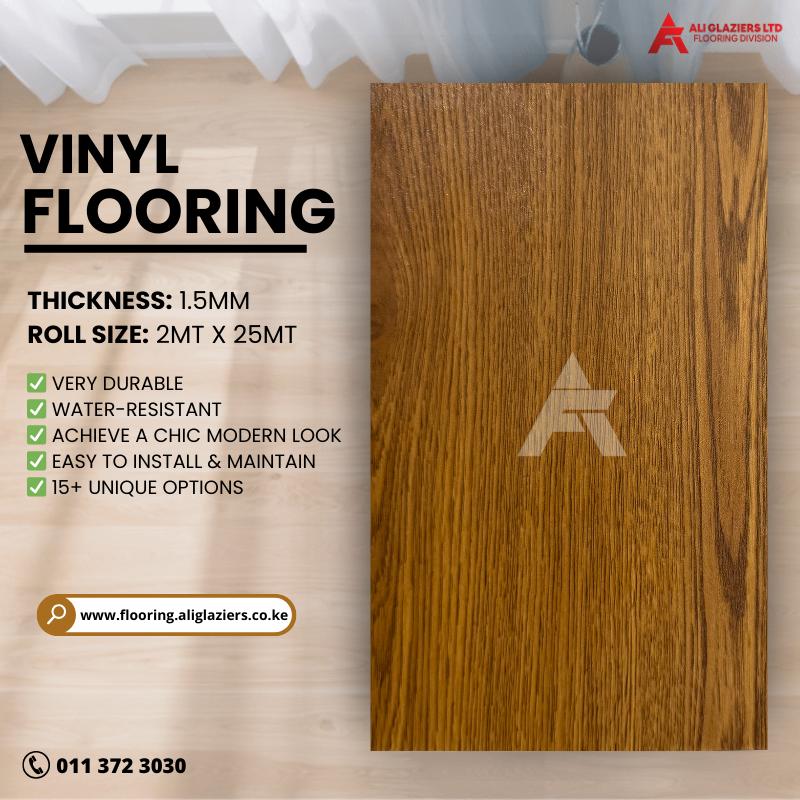
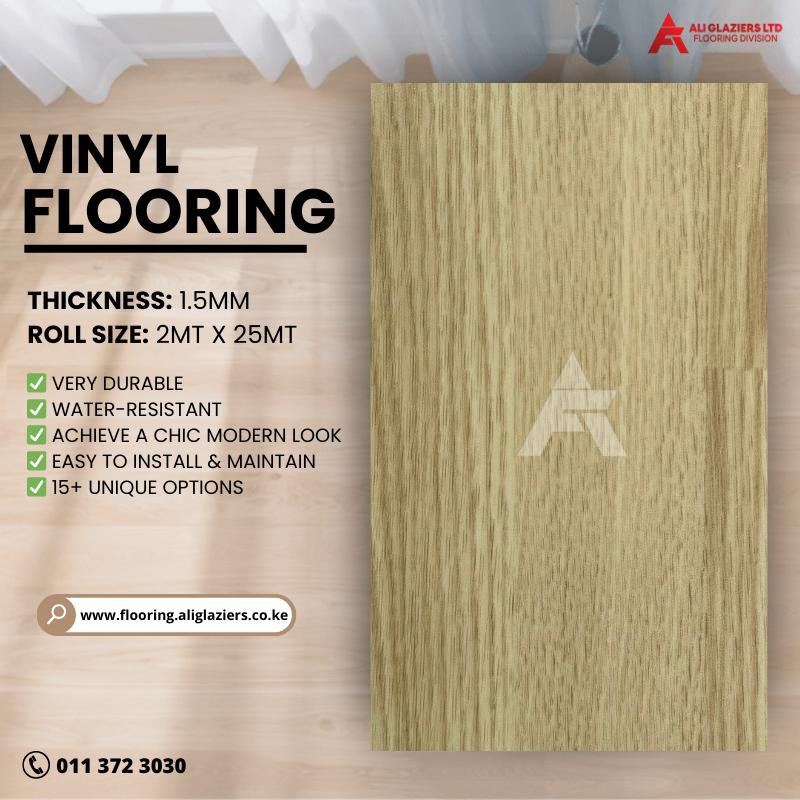
The exact requirements vary from one procuring entity and tender to another. A county government tender may have different administrative requirements from a private school or hospital, while a large commercial institution may request detailed technical submittals that are not required on a smaller project.
The safest approach is to treat the tender document as the controlling checklist.
This guide explains the documentation commonly associated with institutional flooring tenders, what consultants may request for flooring products, how technical compliance should be demonstrated, and how suppliers can prepare a professional tender submission.
What Documents Are Required for Institutional Flooring Tenders?
Institutional flooring tenders normally require a combination of mandatory tender forms, company documents, tax and statutory compliance evidence, technical product information and commercial schedules. The exact checklist should always be taken from the specific tender document and instructions to tenderers.
A flooring tender submission may include:
- Certificate of incorporation or registration
- Current business registration documentation
- KRA PIN
- Tax compliance documentation where required
- CR12 or equivalent ownership/directorship documentation where requested
- Business permit where applicable
- Tender submission forms
- Tender security where required
- Price schedule
- Bill of Quantities
- Technical specification compliance schedule
- Product datasheets
- Manufacturer information
- Product samples
- Test certificates
- Warranty documentation
- Previous experience
- Reference letters or completion certificates
- Key personnel information
- Equipment schedules where required
- Litigation declarations where requested
- Signed forms and declarations
- Anti-corruption or integrity declarations where included
- Any additional documents listed in the tender
Not every tender requires all these documents.
The tender's mandatory requirements should always take priority.
Why Flooring Tender Compliance Matters
Tender compliance is important because institutional procurement is generally based on defined evaluation criteria rather than simply choosing the supplier with the lowest advertised price. Missing mandatory requirements can make an otherwise technically capable bid non-responsive.
Consider a contractor submitting a competitive quotation for 1,000 square metres of SPC flooring.
The proposed product may be excellent.
However, the tender may also require:
- A signed tender form
- Specific technical schedules
- Product test reports
- A valid tax compliance document
- Tender security
- Manufacturer authorisation
- Previous similar-project evidence
- Product samples
If one of the documents is specifically identified as mandatory and is omitted, the bidder may face disqualification or non-compliance depending on the tender conditions.
This is why tender preparation should be treated as a compliance exercise rather than simply a quotation exercise.
Start With the Tender Instructions
The tender document should be treated as the primary source of truth because requirements differ between procuring entities, project types and procurement procedures. Never rely on a previous tender checklist without checking the current tender requirements.
Before preparing a bid, identify:
- Tender number
- Procuring entity
- Tender title
- Closing date and time
- Submission method
- Mandatory documents
- Eligibility requirements
- Technical requirements
- Financial requirements
- Tender security requirements
- Product requirements
- Experience requirements
- Evaluation criteria
- Required forms
- Submission instructions
Create a compliance matrix before completing the tender.
A simple internal checklist can look like this:
| RequirementMandatory?Responsible personStatus | |||
| Tender submission form | Yes | Administration | Complete |
| KRA documentation | As specified | Finance | Complete |
| Technical schedule | Yes | Technical team | Pending |
| Product datasheets | Yes | Supplier | Complete |
| Samples | If required | Sales | Pending |
| Price schedule | Yes | QS/Finance | Complete |
| Tender security | If required | Finance | Pending |
| Experience documents | As specified | Projects | Complete |
This reduces the risk of overlooking a requirement.
Company Registration Documents
Institutional tenders commonly require evidence that the bidder is a legally registered business. The precise documents depend on the legal structure of the bidder and the tender requirements.
Depending on the tender, the procuring entity may request:
- Certificate of incorporation
- Certificate of registration
- Business registration information
- Partnership documentation
- Company ownership details
- Directorship information
- CR12 or equivalent documentation
- Memorandum and Articles or other constitutional documents where specifically requested
The documents should be current where the tender specifies a validity period.
Names should also match across the submission.
For example, inconsistencies between:
- Company name
- Registration details
- KRA PIN
- Bank information
- Tender forms
can create unnecessary questions during evaluation.
KRA and Tax Compliance Documents
Tax documentation is an important part of many Kenyan institutional procurement processes. Bidders should review the tender's specific tax requirements and ensure that the relevant documentation is valid at the time of submission.
Depending on the procurement requirements, this may include:
- KRA PIN
- Tax Compliance Certificate
- VAT registration information where applicable
- Other tax documentation expressly requested in the tender
A bidder should not assume that an old tax document can automatically be reused.
Check:
- Validity
- Company name
- PIN
- Dates
- Tender-specific requirements
The tender document should determine what needs to be submitted.
County Government Flooring Tenders
County government flooring tenders may require bidders to satisfy both procurement eligibility requirements and project-specific technical requirements. The exact documents depend on the county, tender category, procurement method and instructions issued for that particular opportunity.
A county flooring project could involve:
- County offices
- Hospitals
- Health centres
- Schools
- Markets
- Public halls
- Administration buildings
- Social facilities
The technical flooring requirements may vary substantially.
A hospital floor, for example, could require different performance characteristics from flooring in an administrative office.
The bidder should therefore avoid using one generic technical submission for every county tender.
Product Datasheets for Flooring Tenders
Product datasheets provide the technical evidence needed to show what the proposed flooring product actually is. They should correspond to the exact product being offered rather than a similar product from the same manufacturer.
For SPC flooring, a datasheet may identify:
- Overall thickness
- Wear layer
- Plank dimensions
- Core construction
- Surface finish
- Installation method
- Slip performance
- Fire performance
- Acoustic characteristics
- Warranty
For vinyl flooring, it may include:
- Product construction
- Thickness
- Wear layer
- Dimensions
- Surface treatment
- Slip resistance
- Fire classification
- Installation requirements
- Maintenance
For carpet tiles:
- Tile size
- Fibre construction
- Backing
- Pile characteristics
- Fire performance
- Acoustic properties
- Installation system
- Cleaning recommendations
The document should be clearly labelled so the evaluator can identify which BOQ item it supports.
Technical Compliance Schedule
A technical compliance schedule allows the bidder to respond directly to each requirement in the tender specification. It is one of the most useful documents for demonstrating that the proposed flooring complies with the requested performance.
A typical format is:
| Tender requirementOffered productComplianceEvidence | |||
| SPC flooring | Proposed SPC product | Compliant | Datasheet |
| Minimum thickness | ___ mm | Compliant | Datasheet |
| Wear layer | ___ mm | Compliant | Datasheet |
| Slip classification | ___ | Compliant | Test document |
| Fire classification | ___ | Compliant | Test report |
| Installation method | Click-lock | Compliant | Installation guide |
| Warranty | ___ years | Compliant | Warranty |
Avoid simply writing "Yes" against every requirement.
Where possible, identify the actual offered value and supporting document.
This makes evaluation easier.
Flooring Samples for Institutional Tenders
Where samples are requested, the sample should correspond exactly to the product described in the technical and financial submission. Samples should be clearly labelled to prevent confusion during evaluation.
A useful sample label can contain:
- Company name
- Tender number
- Product name
- Product code
- Flooring type
- Colour
- Manufacturer
- Submission reference
For example:
Tender No.: XXXXX
Flooring Type: SPC
Product Code: XXXXX
Colour: XXXXX
Supplier: XXXXX
Do not submit a sample of one product while pricing another.
That can create serious compliance problems.
Fire-Test Certificates and Flooring
Where the tender specifies fire performance, the bidder should provide documentation demonstrating the classification of the exact flooring product offered. A generic statement that flooring is "fire resistant" is not equivalent to a formal test or classification document.
Depending on the tender, documentation could include:
- Fire-test report
- Classification report
- Manufacturer's technical declaration
- Product certificate
- Relevant standard reference
The requested standard should be followed exactly.
For example, if a tender requires a specific reaction-to-fire classification under a named standard, the bidder should provide evidence against that requirement.
This is particularly relevant for:
- Hospitals
- Schools
- Hotels
- Public buildings
- High-occupancy facilities
- Commercial offices
Slip-Resistance Documentation
Where anti-slip performance is specified, the tender submission should provide the required classification or test evidence for the proposed flooring. The bidder should not substitute a general "anti-slip" claim for the requested technical evidence.
Depending on the specification, the tender may request:
- R classification
- Pendulum test result
- Wet slip resistance
- Manufacturer test data
- Other project-specific performance criteria
For wet areas, kitchens, entrances and high-traffic spaces, this information can be particularly important.
See the related guide on anti-slip R ratings for flooring.
Warranty Documentation
Warranty documentation provides evidence of the manufacturer's or supplier's stated commitment to product performance, subject to the applicable terms and conditions. The tender should specify the required warranty period where a particular period is necessary.
A warranty document may identify:
- Product covered
- Warranty period
- Installation conditions
- Maintenance requirements
- Exclusions
- Claim procedure
- Manufacturer or supplier
A bidder should avoid promising a warranty that cannot be supported by the product manufacturer or contractual terms.
The warranty should also correspond to the exact product being offered.
Manufacturer Authorisation
Some institutional tenders may request evidence that the bidder is authorised to supply a particular manufacturer or product. Where this is a mandatory requirement, the bidder should obtain the required authorisation before submitting the tender.
Manufacturer authorisation may be particularly relevant when:
- A named product is specified
- The tender requires an authorised distributor
- Product authenticity must be demonstrated
- The project has warranty requirements
- Technical support is expected
The exact form of authorisation varies.
It could be:
- Manufacturer letter
- Distributor certificate
- Appointment letter
- Authorised dealer certificate
Follow the tender wording.
Previous Flooring Experience
Institutional tenders may require evidence of previous similar work, particularly where the project involves significant quantities, technical installation requirements or demanding environments. Experience should be demonstrated using the format requested in the tender.
Relevant evidence may include:
- Completed contracts
- Purchase orders
- Completion certificates
- Client reference letters
- Contract award letters
- Invoices where requested
- Project schedules
The best experience examples are those that closely resemble the proposed project.
For example:
A previous 2,000 m² hospital flooring installation may be more relevant to a hospital tender than a small residential flooring project.
Likewise, experience supplying and installing carpet tiles in a large office may be relevant to an institutional office fit-out.
Completion Certificates and Reference Letters
A list of previous projects is stronger when supported by documentary evidence showing that the work was actually completed. However, bidders should submit only the evidence requested or permitted by the tender.
A project reference can include:
- Client name
- Project name
- Contract value where required
- Scope
- Completion date
- Contact details
- Completion certificate
Do not fabricate or alter references.
Institutional procurement relies heavily on documentary evidence.
Key Personnel Documents
Some larger flooring tenders may request details of the personnel responsible for project management, supervision or technical installation. The submission should demonstrate that the proposed team has the experience required by the tender.
Depending on the tender, this may include:
- CVs
- Academic certificates
- Professional qualifications
- Experience schedules
- Professional registration where applicable
- Letters of commitment
The tender should determine which personnel and qualifications are mandatory.
Installation Method Statement
A method statement explains how the flooring contractor intends to execute the installation safely and correctly. It can be particularly important for institutional projects that must remain operational during construction.
A flooring method statement may cover:
- Site inspection
- Substrate assessment
- Material delivery
- Storage
- Surface preparation
- Moisture checks
- Installation
- Joint treatment
- Edge finishing
- Quality inspection
- Cleaning
- Protection
- Handover
For occupied buildings, it may also address:
- Work-zone separation
- Dust control
- Noise
- Access
- Working hours
- Public safety
- Material storage
Floor Preparation Documentation
Flooring tenders should make clear whether substrate preparation is part of the contractor's scope, because existing institutional buildings may have uneven, damaged or contaminated floors.
The contractor may need to inspect:
- Existing tiles
- Concrete
- Screed
- Existing adhesive
- Cracks
- Uneven surfaces
- Moisture
- Contamination
For example, if SPC is being installed over an existing floor, the suitability of that substrate should be confirmed before installation.
See the guidance on whether SPC flooring can be installed over old tiles.
The final BOQ should clearly establish who is responsible for preparation.
Health and Safety Documentation
Institutional projects may require contractors to demonstrate that their work will be carried out safely, particularly where construction occurs in occupied facilities. The exact health and safety documents depend on the project and tender requirements.
Possible requirements include:
- Health and safety policy
- Risk assessment
- Method statement
- PPE requirements
- Site safety procedures
- Accident reporting procedures
- Worker training records
- Insurance documentation
Hospitals and schools may have additional site rules.
A contractor should review the institution's specific requirements before mobilisation.
Insurance Documents
Where insurance is required by the tender, the bidder should provide the specific evidence requested and ensure that the policy or certificate satisfies the stated coverage and validity requirements.
Depending on the project, requirements may relate to:
- Work injury insurance
- Public liability
- Professional liability where relevant
- Contractor's all-risk insurance
- Motor insurance
- Other project-specific cover
Do not submit a generic insurance document if the tender requires a particular type or minimum value.
Tender Security
Some institutional tenders require tender security or another permitted form of bid security, while others do not. Where it is mandatory, the bidder should follow the tender's prescribed amount, format, validity and submission instructions exactly.
Check:
- Amount
- Currency
- Validity period
- Issuing institution
- Beneficiary
- Required format
- Submission method
A tender security error can have serious consequences.
Never assume the requirements from a previous tender remain unchanged.
Price Schedule and BOQ
The price schedule should correspond exactly to the tender BOQ and technical submission. Quantities, unit rates, totals and descriptions should be checked carefully before submission.
For flooring, verify:
- Floor area
- Unit of measurement
- Material rate
- Installation rate
- Preparation
- Adhesive
- Accessories
- Skirting
- Trims
- Transport
- Applicable taxes
- Total tender price
A bidder should check that the price schedule does not accidentally price a different product from the one described in the technical submission.
For more information on tender-ready descriptions, see the guide to specifying flooring in a BOQ.
Product-Specific Documentation for SPC Flooring
SPC flooring tender submissions should demonstrate both product performance and suitability for the intended institutional environment. A technical file should be prepared around the actual SPC product being proposed.
A useful SPC submission file can include:
- Product datasheet
- Product code
- Thickness
- Wear-layer information
- Dimensions
- Surface finish
- Slip-performance data where required
- Fire-performance data where required
- Installation instructions
- Warranty
- Maintenance instructions
- Product sample
The SPC flooring category can be used to review available product options.
A previous guide on SPC flooring in Kenya can also help explain common product and specification questions.
Product-Specific Documentation for Vinyl Flooring
Vinyl flooring submissions should identify the exact product construction and performance characteristics rather than relying on the general term "vinyl." Different vinyl products can have substantially different specifications.
The technical submission may include:
- Product type
- Product code
- Thickness
- Wear layer
- Dimensions
- Surface treatment
- Slip performance
- Fire performance
- Installation method
- Adhesive
- Maintenance requirements
- Warranty
- Sample
The vinyl flooring range provides examples of vinyl products that can be considered for different applications.
Product-Specific Documentation for Carpet Tiles
Carpet-tile tender submissions should identify the tile construction, backing, size, colour and performance characteristics so that the proposed product can be compared accurately with the specification.
A technical submission may contain:
- Product datasheet
- Tile dimensions
- Fibre construction
- Backing
- Pile characteristics
- Fire performance
- Acoustic performance where required
- Installation method
- Adhesive
- Cleaning instructions
- Warranty
- Sample
For commercial institutional projects, see the carpet tile product category.
How to Organise a Flooring Tender Submission
A well-organised tender file makes it easier to demonstrate compliance and reduces the risk of accidentally omitting a required document. The final submission should follow the sequence and naming conventions requested by the procuring entity.
A practical internal structure could be:
Section 1: Tender Forms
Include all required forms, signed and dated where applicable.
Section 2: Company Documents
Include registration and statutory documents requested.
Section 3: Technical Submission
Include:
- Technical compliance schedule
- Datasheets
- Test certificates
- Samples
- Manufacturer documentation
Section 4: Experience
Include previous project evidence.
Section 5: Personnel
Include CVs and qualifications where requested.
Section 6: Financial Submission
Include:
- BOQ
- Price schedule
- Tender summary
Section 7: Other Mandatory Documents
Include any additional declarations, security or certificates specified by the tender.
Do not reorganise the tender against the procuring entity's instructions if the tender prescribes a specific order.
Create a Tender Compliance Matrix
A compliance matrix is one of the simplest ways to identify missing documents before submission. Every mandatory requirement should have a clear status and an identified supporting document.
For example:
| RequirementDocumentStatus | ||
| Company registration | Certificate | Complete |
| Tax compliance | Current certificate | Complete |
| Tender form | Signed form | Complete |
| Technical schedule | Compliance matrix | Complete |
| SPC datasheet | Product technical sheet | Complete |
| Fire documentation | Test/classification report | Pending |
| Sample | Approved sample | Complete |
| Experience | Completion certificates | Complete |
| Price schedule | Completed BOQ | Complete |
| Tender security | Required instrument | Pending |
Run this check before uploading or delivering the final tender.
Common Reasons Flooring Tender Submissions Fail
Many tender problems are administrative rather than technical. A strong flooring product cannot compensate for a missing mandatory document if the tender conditions make that document a requirement.
Common problems include:
- Missing signed forms
- Expired documentation
- Incorrect tender number
- Inconsistent company details
- Missing tender security
- Incomplete BOQ
- Unpriced items
- Technical deviations
- Unsupported product claims
- Missing product samples
- Incorrect submission format
- Late submission
- Failure to follow naming instructions
- Unauthorised substitutions
The exact consequences depend on the tender conditions and applicable procurement framework.
Don't Claim Compliance Without Evidence
A bidder should only claim compliance where the proposed product can substantiate the requirement. Unsupported statements can create problems during technical evaluation and later during project delivery.
For example, avoid writing:
"Our SPC is fireproof."
Instead, state the actual documented fire-performance classification if required.
Similarly, avoid:
"Our flooring is completely waterproof and slip-proof."
Instead, provide the manufacturer's documented performance and intended application.
Technical procurement works best when claims can be verified.
Tender Compliance for Hospital Flooring
Hospital flooring requires particularly careful technical review because healthcare spaces may have demanding requirements for hygiene, cleaning, slip resistance, durability and maintenance. The hospital's project specification should determine which characteristics must be documented.
Depending on the area, requirements may relate to:
- Seamless installation
- Hygienic surfaces
- Cleaning resistance
- Chemical resistance
- Slip resistance
- Fire performance
- Acoustic properties
- Heavy traffic
- Wheeled equipment
A hospital corridor, operating area, patient room, laboratory and public reception area may require different flooring systems.
The bidder should therefore avoid proposing one flooring type for every hospital application without reviewing the specification.
Tender Compliance for Schools and Universities
Educational institutions can have high pedestrian traffic and demanding cleaning requirements, making durability, maintenance and slip resistance important considerations. Tender documents may also require product samples, technical data and evidence of previous institutional work.
Relevant applications can include:
- Classrooms
- Administration offices
- Libraries
- Laboratories
- Corridors
- Dining halls
- Washrooms
- Reception areas
Carpet tiles may suit selected office or administrative environments, while resilient flooring may be more appropriate in other high-use areas.
Tender Compliance for County Offices
County office fit-outs often combine public reception areas, offices, corridors and service spaces, so the flooring specification may contain multiple products and performance requirements.
The submission should map each proposed product to its BOQ item.
For example:
| BOQ ItemProposed flooringSupporting document | ||
| Reception | SPC | SPC datasheet |
| Offices | Carpet tile | Carpet datasheet |
| Washrooms | Specified wet-area floor | Technical sheet |
| Corridors | Vinyl | Vinyl datasheet |
This makes the technical submission easier to evaluate.
What Should a Flooring Supplier Prepare Before Tenders Open?
Suppliers who regularly pursue institutional projects should maintain an up-to-date tender documentation library instead of starting from zero for every opportunity. This makes it easier to respond quickly while still tailoring each submission to the specific tender.
Maintain current copies of:
- Company registration documents
- Tax documentation
- Business permits where relevant
- Company profile
- Product catalogues
- Product datasheets
- Test reports
- Manufacturer authorisations
- Warranty documents
- Installation procedures
- Health and safety documents
- Previous project references
- Completion certificates
- Staff CVs where relevant
However, documents should still be checked for validity before each submission.
How Ali Glaziers Flooring Solutions Can Support Institutional Projects
Ali Glaziers Flooring Solutions supplies a range of flooring options that can be considered for residential, commercial and institutional projects, with product information available for procurement and technical review.
Relevant product categories include:
- SPC flooring
- Vinyl flooring
- Egyptian carpets
- Carpet tiles
- Wall-to-wall carpets
- Corridor runners
- Artificial turf
For project-specific procurement, contractors and consultants can provide the BOQ, specification or required performance criteria when requesting product guidance.
This allows the proposed flooring to be assessed against the actual tender requirements rather than simply recommending a product based on appearance.
Final Checklist Before Submitting an Institutional Flooring Tender
Before submission, perform a final document-by-document review against the tender's instructions and evaluation criteria. A second person should ideally review the completed submission before the final upload or delivery.
Company compliance
- Registration documents
- KRA documentation
- Required tax compliance evidence
- Business permit where required
- Ownership/directorship documents where required
Tender documents
- Tender form
- Price schedule
- BOQ
- Required declarations
- Tender security where required
- All signatures completed
Technical documents
- Technical compliance schedule
- Product datasheets
- Product samples
- Fire-performance evidence where required
- Slip-resistance evidence where required
- Warranty
- Installation information
- Manufacturer documentation
Experience
- Similar-project schedule
- Completion certificates
- Reference letters where required
- Contract evidence where requested
Project delivery
- Method statement
- Programme where required
- Key personnel
- Health and safety documents
- Insurance documentation
Final submission
- Correct tender number
- Correct procuring entity
- Correct file format
- Correct file naming
- All mandatory attachments included
- Submission made before deadline
Final Takeaway: Institutional Flooring Tenders Are About Evidence
Winning an institutional flooring tender is not simply about offering the lowest flooring price. The strongest submission demonstrates eligibility, technical compliance, product suitability, relevant experience and the ability to deliver the specified installation.
For flooring suppliers and contractors in Kenya, the preparation process should begin with the tender document.
Identify every mandatory requirement.
Then map each requirement to evidence.
For SPC, vinyl and carpet tiles, prepare product-specific technical files rather than generic brochures.
For technical performance, provide supporting documentation rather than unsupported claims.
For previous experience, provide documentary evidence where requested.
For the financial submission, ensure the BOQ and price schedule correspond exactly to the technical offer.
Most importantly, never assume that the requirements of one institutional tender automatically apply to another. Each tender should be checked independently.
Get Flooring Products and Project Support from Ali Glaziers Flooring Solutions
Ali Glaziers Flooring Solutions provides flooring products and support for projects in Nairobi and across Kenya.
Why choose Ali Glaziers Flooring Solutions?
- Wide range of flooring solutions
- SPC, vinyl, laminated wood and Egyptian carpets
- Options for commercial and institutional projects
- Product selection support
- Installation guidance
- Flooring solutions for contractors and developers
- Online product catalogue
Visit Us: Funzi Road Branch, End of Funzi Road, Industrial Area, Ali Glaziers LTD Building, Nairobi, Kenya
Call / WhatsApp: +254 (0) 716 259 682, +254 (0) 722 522 452
Email: info@aliglaziers.com
Shop Online: flooring.aliglaziers.com/shop
Request a Quote: Contact Ali Glaziers Flooring Solutions
For an institutional project, share the BOQ, flooring specification or tender requirements when requesting a quotation so the proposed products can be matched to the project's technical requirements.