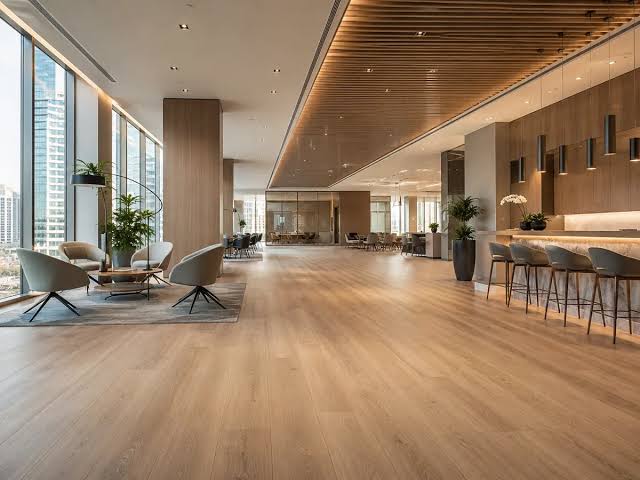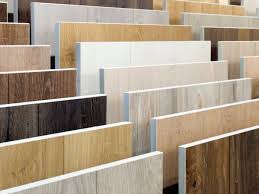

Humidity and flooring are closely connected in Kenya’s climate, where moisture can cause warping, mold growth, swelling, and costly flooring damage. This guide explains how humidity affects different flooring materials, the best moisture-resistant flooring options for Kenyan homes and businesses, and expert tips to prevent flooring moisture damage.
Humidity and Flooring in Kenya: How Moisture Affects Your Floors
Humidity and flooring are closely connected, especially in Kenya where changing weather patterns, coastal moisture, and rainy seasons can significantly affect flooring performance. Many homeowners and business owners experience flooring moisture damage without realizing that excess humidity is the root cause. From warped laminate floors in Nairobi apartments to moldy carpets in Mombasa homes, moisture-related flooring problems are increasingly common across Kenya.
Choosing the right flooring material is essential for ensuring durability, beauty, and long-term value. Whether you are renovating a residential property, fitting out an office, or upgrading a hospitality space, understanding how humidity affects flooring can help you avoid expensive repairs and premature replacements.
Understanding the relationship between humidity and flooring is extremely important for Kenyan homeowners, contractors, and interior designers. Because Kenya experiences varying humidity levels throughout the year, choosing flooring without considering moisture exposure can lead to expensive repairs and maintenance issues. Proper planning around humidity and flooring helps property owners select durable, moisture-resistant materials that perform well in local climate conditions.
Shop Vinyl Flooring
View all Vinyl Flooring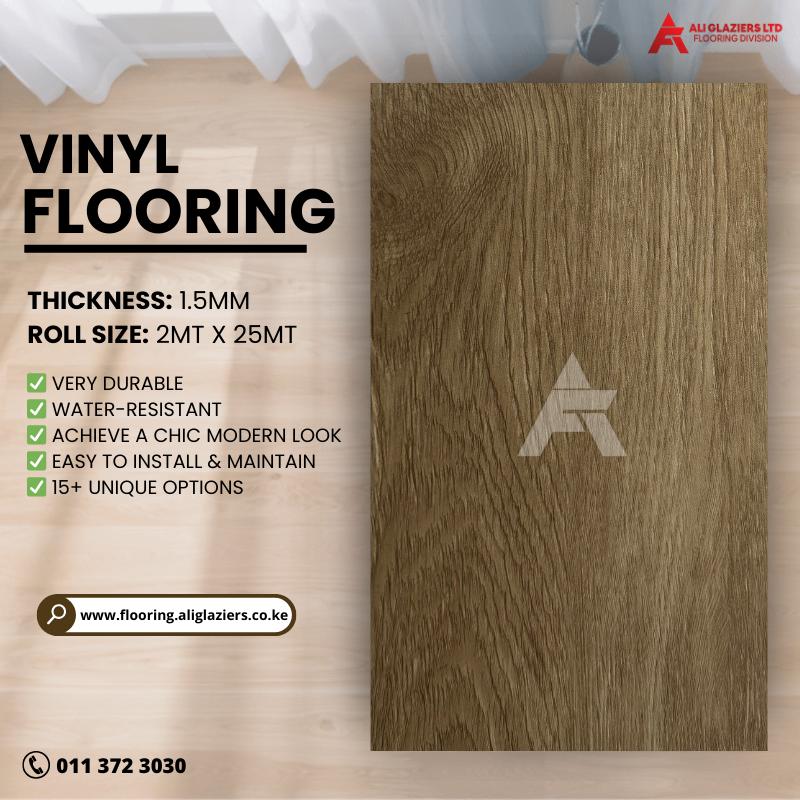
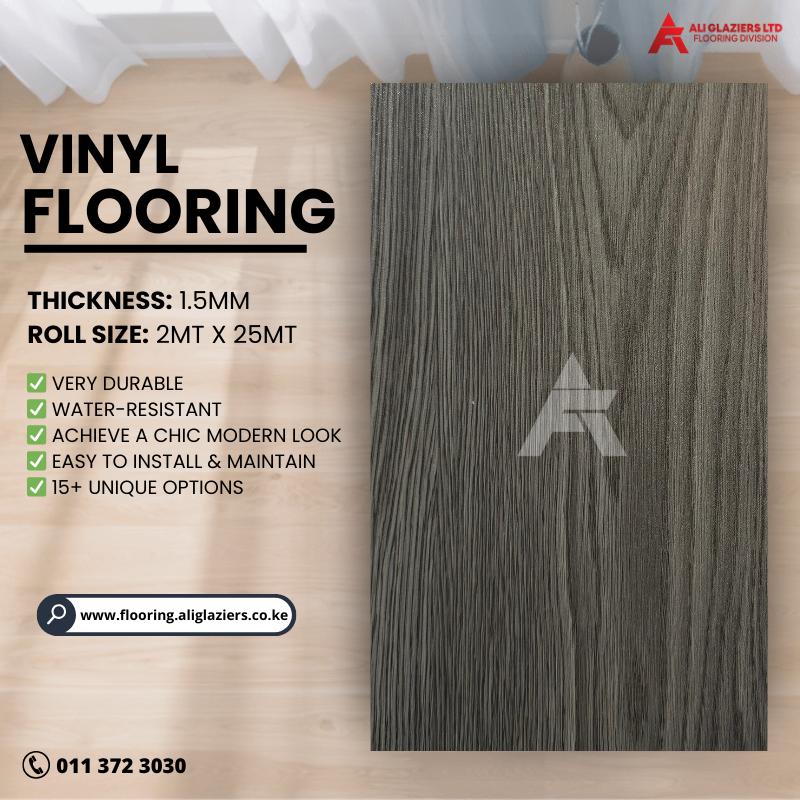
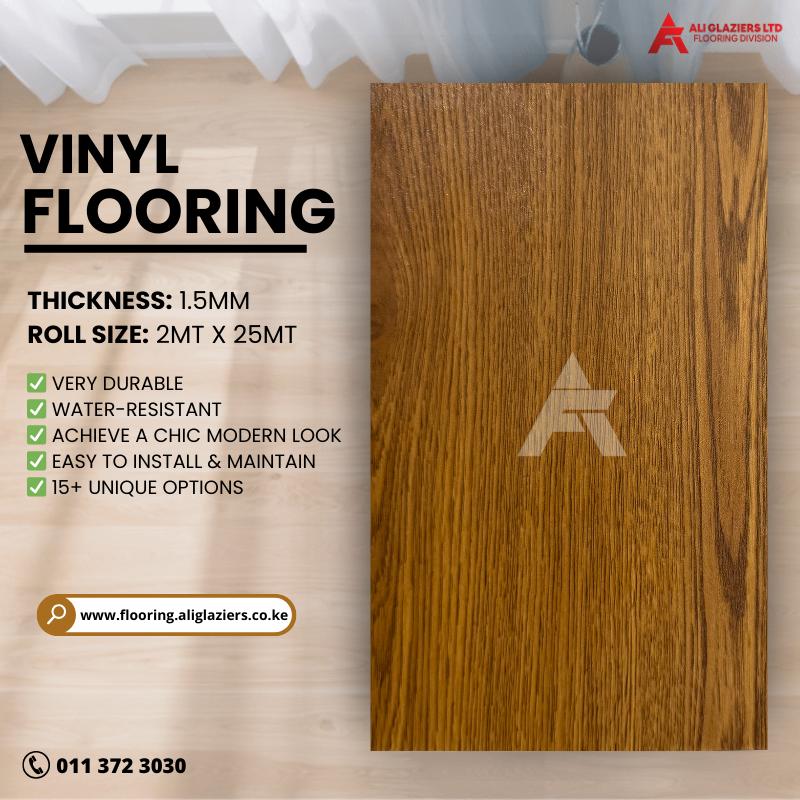
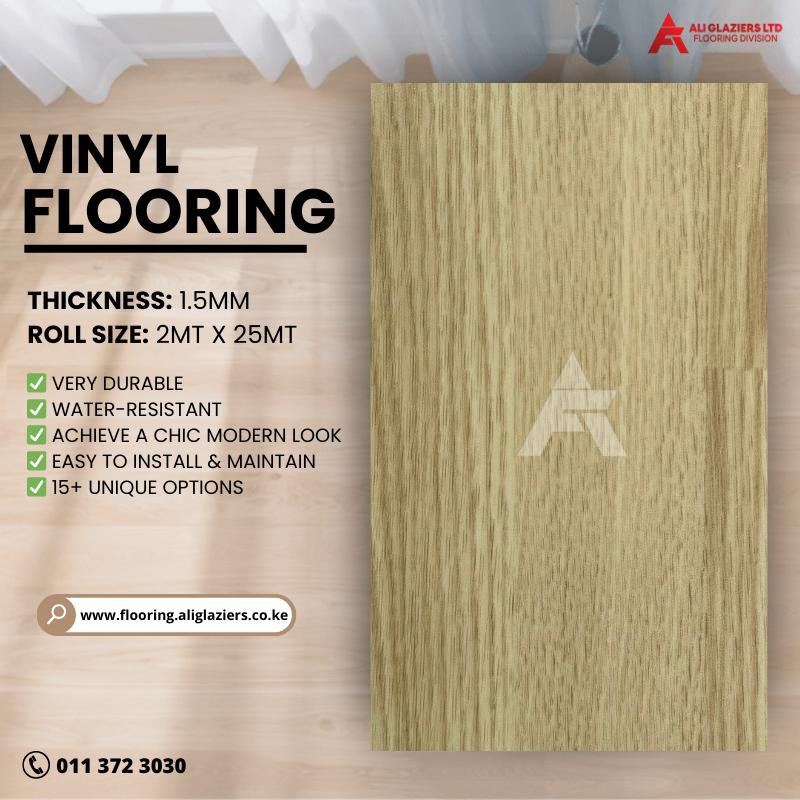
At Ali Glaziers Flooring Solutions, customers across Kenya can access premium-quality flooring products designed to withstand local environmental conditions while maintaining style, comfort, and durability.
In this detailed guide, we explore:
- How humidity affects flooring in Kenya
- Which flooring materials perform best in humid conditions
- Common signs of moisture damage
- Prevention and maintenance strategies
- Best moisture-resistant flooring options for Kenyan properties
- Expert recommendations for homes and businesses
Understanding Humidity and Flooring in Kenya
Humidity refers to the amount of moisture present in the air. In Kenya, humidity levels vary depending on location, altitude, and season.
High-Humidity Areas in Kenya
Certain regions experience consistently high humidity levels, including:
- Coastal cities such as Mombasa
- Lake-region towns like Kisumu
- Areas with frequent rainfall
- Poorly ventilated urban apartments in Nairobi
These conditions can create significant stress on flooring materials.
Why Flooring Is Vulnerable to Humidity
Most flooring materials naturally react to moisture changes. Excess humidity can cause:
- Expansion and swelling
- Warping and buckling
- Mold and mildew growth
- Adhesive failure
- Surface peeling
- Foul odors
- Reduced durability
When moisture penetrates flooring materials over time, structural integrity weakens, leading to costly repairs or replacements.
This is why modern Kenyan homeowners increasingly prefer moisture-resistant options
Common Signs of Flooring Moisture Damage
Recognizing early warning signs can help prevent extensive damage.
Swelling and Buckling
Wood-based flooring products absorb moisture from the air and expand. This often causes raised edges or uneven flooring surfaces.
Gaps Between Floorboards
Humidity fluctuations cause repeated expansion and contraction, eventually creating visible gaps.
Mold and Mildew
Moist environments encourage fungal growth beneath carpets and wooden floors, especially in poorly ventilated rooms.
Peeling or Lifting
Adhesives used during installation may weaken due to excess moisture, causing tiles or planks to lift.
High-quality installation materials from play a major role in minimizing these issues.
Discoloration
Moisture stains and discoloration are common with poorly protected flooring surfaces.
How Different Flooring Types React to Humidity
Not all flooring materials respond the same way to moisture exposure.
Below is a detailed comparison to help Kenyan property owners make informed decisions.
Comparison Table: Humidity and Flooring Resistance
| Flooring TypeHumidity ResistanceMaintenance LevelBest for Kenyan Climate?Common Problems | ||||
| Solid Hardwood | Low | High | Not ideal in humid regions | Warping, swelling |
| Laminate Flooring | Moderate | Moderate | Suitable with proper care | Edge swelling |
| Vinyl Flooring | High | Low | Excellent choice | Minimal issues |
| SPC Flooring | Very High | Low | Highly recommended | Rare moisture issues |
| Carpets | Moderate | High | Depends on ventilation | Mold, odors |
| Carpet Tiles | Moderate-High | Moderate | Good for offices | Moisture beneath tiles |
| Artificial Turf | High | Low | Excellent outdoors | Minimal |
Why SPC Flooring Is Ideal for Humid Kenyan Conditions
One of the best flooring innovations for Kenya’s climate is SPC flooring.
SPC stands for Stone Plastic Composite — a rigid, waterproof flooring solution engineered for durability and moisture resistance.
Benefits of SPC Flooring for Kenyan Homes
Waterproof Performance
Unlike traditional wood flooring, SPC flooring does not absorb water easily.
This makes products ideal for kitchens, apartments, offices, and coastal homes.
Resistance to Expansion
SPC flooring remains dimensionally stable even during Nairobi’s rainy seasons or Mombasa’s humid weather.
Easy Maintenance
Cleaning requires minimal effort, making it perfect for busy households and commercial spaces.
Stylish Appearance
Modern SPC flooring replicates premium wood finishes without the maintenance problems associated with natural timber.
Vinyl Flooring and Moisture Resistance
Vinyl flooring has become increasingly popular in Kenya due to affordability and excellent resistance to humidity.
The wide selection available offers attractive options for both residential and commercial projects.
Why Vinyl Flooring Works Well in Humid Areas
- Water-resistant surface
- Easy cleaning
- Comfortable underfoot
- Affordable installation
- Suitable for kitchens and offices
Products combine elegant aesthetics with practical moisture protection.
Laminate Flooring in Kenya’s Climate
Laminate flooring remains popular because it provides a luxurious wood appearance at a lower cost.
The range available appeals to many homeowners seeking affordable elegance.
However, laminate flooring requires extra care in humid conditions.
Tips for Protecting Laminate Floors from Humidity
Use Proper Underlayment
A moisture barrier underneath laminate flooring helps reduce water penetration.
Improve Ventilation
Good airflow reduces indoor humidity levels.
Clean Spills Quickly
Standing water can damage laminate edges and seams.
Choose Quality Products
Premium products often provide better moisture resistance.
Carpets and Humidity in Kenya
Carpets create warmth, luxury, and comfort, especially in residential spaces and hospitality environments.
However, carpets can trap moisture if not properly maintained.
Common Carpet Problems in Humid Conditions
- Mold growth
- Dust mites
- Unpleasant odors
- Staining
- Reduced indoor air quality
This is especially common in coastal areas or poorly ventilated buildings.
Best Carpet Options for Humid Environments
Modern carpet solutions like are easier to maintain because damaged sections can be replaced individually.
Luxury options should be paired with proper ventilation and moisture control.
Artificial Turf and Outdoor Moisture Challenges
Outdoor spaces in Kenya also experience moisture-related flooring concerns.
Rainfall, irrigation, and humidity affect landscaping materials significantly.
Fortunately offer excellent drainage and weather resistance.
Advantages of Artificial Turf in Kenya
- No mud during rainy seasons
- Minimal water retention
- Easy maintenance
- Durable in sun and rain
- Perfect for rooftops and gardens
Options provide realistic aesthetics with strong performance.
How to Prevent Flooring Moisture Damage in Kenya
Preventing moisture damage starts with proactive planning.
Choose Climate-Appropriate Flooring
The first step is selecting flooring materials designed for humid environments.
SPC and vinyl flooring remain the safest long-term choices for many Kenyan properties.
Invest in Professional Installation
Poor installation is one of the biggest causes of moisture-related flooring failure.
Experienced installers understand:
- Moisture testing
- Proper underlayment selection
- Expansion gap requirements
- Adhesive quality
- Surface preparation
You can explore completed projects at Ali Glaziers Our Work Portfolio.
Use Quality Flooring Accessories
Accessories play a critical role in moisture protection.
Important accessories include:
- Moisture barriers
- Sealants
- Reducers
- Skirting
Improve Indoor Ventilation
Simple ventilation improvements reduce humidity significantly.
Examples include:
- Opening windows regularly
- Installing extractor fans
- Using dehumidifiers
- Maintaining HVAC systems
Address Water Leaks Immediately
Small plumbing leaks can silently damage flooring over time.
Inspect:
- Kitchens
- Bathrooms
- Balconies
- Roof drainage systems
Best Flooring Choices for Different Kenyan Spaces
Different spaces require different flooring strategies.
Best Flooring for Nairobi Apartments
Recommended:
- SPC flooring
- Vinyl flooring
- Carpet tiles
These materials handle seasonal humidity changes well while maintaining modern aesthetics.
Best Flooring for Coastal Homes in Mombasa
Recommended:
- SPC flooring
- Vinyl flooring
- Artificial turf for outdoor areas
Avoid excessive use of untreated wood flooring in highly humid coastal climates.
Best Flooring for Offices in Kenya
Recommended:
- Carpet tiles
- Vinyl flooring
- SPC flooring
These options provide durability and easier maintenance for high-traffic environments.
Best Flooring for Hotels and Hospitality Spaces
Hotels require flooring that balances elegance with moisture resistance.
Popular choices include:
- Luxury vinyl flooring
- Egyptian carpets
- SPC flooring in guest rooms
- Turf grass for outdoor lounges
Why Kenyan Property Owners Are Moving Toward Moisture-Resistant Flooring
Modern real estate trends in Kenya increasingly prioritize:
- Low maintenance
- Durability
- Water resistance
- Long-term cost savings
- Stylish finishes
This has accelerated demand for SPC flooring, vinyl flooring, and innovative waterproof flooring systems.
Property developers and interior designers are also becoming more aware of climate-responsive construction materials.
By investing in moisture-resistant flooring from trusted suppliers like Ali Glaziers Flooring Shop, property owners reduce repair costs while improving property value.
Expert Tips for Long-Lasting Flooring in Kenya
Clean Floors Regularly
Dust and trapped moisture accelerate wear.
Use Mats at Entrances
Entrance mats help reduce water and dirt indoors.
Avoid Excess Water During Cleaning
Use damp mops instead of soaking floors.
Schedule Professional Inspections
Periodic inspections identify hidden moisture problems early.
Learn More About Flooring Care
The Ali Glaziers Knowledge Base contains valuable flooring maintenance insights for Kenyan property owners.
Frequently Asked Questions About Humidity and Flooring in Kenya
What flooring is best for humid areas in Kenya?
SPC flooring and vinyl flooring are among the best choices because they offer excellent moisture resistance, durability, and easy maintenance.
Does humidity damage laminate flooring?
Yes. Excess humidity can cause laminate flooring to swell, warp, or separate if moisture protection measures are inadequate.
Is vinyl flooring waterproof?
Most vinyl flooring products are highly water-resistant and suitable for humid environments such as kitchens, offices, and apartments.
How can I reduce moisture damage on floors?
You can reduce damage by improving ventilation, fixing leaks quickly, using moisture barriers, and choosing humidity-resistant flooring materials.
Can carpets develop mold in Kenya?
Yes. Carpets in humid or poorly ventilated areas can trap moisture and develop mold or unpleasant odors.
Is SPC flooring suitable for coastal homes?
Absolutely. SPC flooring performs exceptionally well in coastal regions because of its waterproof and dimensionally stable properties.
How often should flooring be maintained in humid climates?
When evaluating flooring materials, understanding the connection between humidity and flooring can save you significant long-term costs. Modern moisture-resistant products such as SPC flooring and vinyl flooring are specifically engineered to minimize common humidity and flooring problems like swelling, warping, mold growth, and adhesive failure.
Conclusion
By understanding how humidity and flooring interact in Kenya’s climate, homeowners and businesses can make smarter flooring investments that remain durable, stylish, and easy to maintain for years..
While traditional wood-based flooring may struggle in humid conditions, modern solutions like SPC flooring, vinyl flooring, carpet tiles, and artificial turf offer superior moisture resistance and long-term reliability.
Professional installation, proper ventilation, quality accessories, and routine maintenance are equally important for protecting your investment.
Ali Glaziers Flooring Solutions continues to help homeowners, contractors, interior designers, and businesses across Kenya select premium flooring products that combine beauty, durability, and climate suitability.
Upgrade Your Space with Ali Glaziers Flooring Solutions Today!
Whether you are renovating a residential home, upgrading a commercial office, or designing a hospitality space, Ali Glaziers Flooring Solutions is your trusted partner in Kenya.
✔ Expert installation & professional advice ✔ Wide range of premium flooring styles & accessories ✔ Affordable, durable, and elegant solutions
Ready to transform your floors?
Contact Us: [Insert phone number/email]
Visit our Contact Page: Ali Glaziers Contact Page
Browse our Catalog: Ali Glaziers Shop