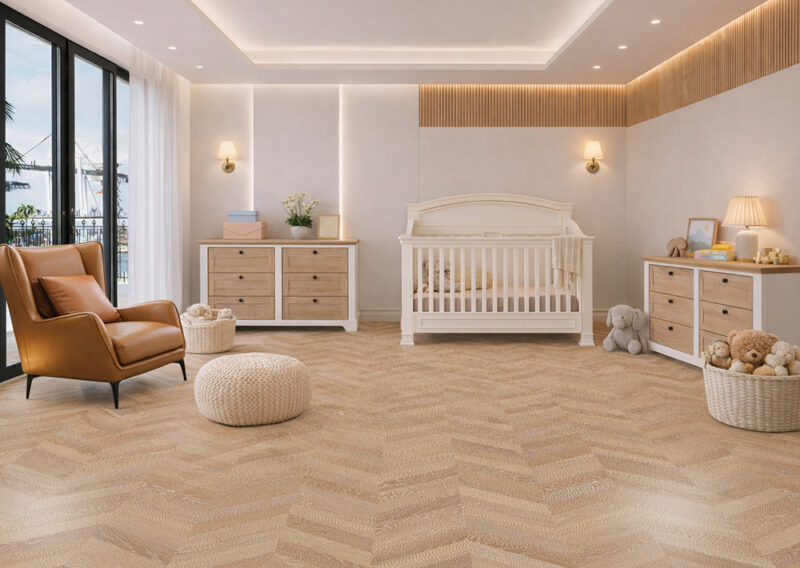
Safe Toddler Flooring Kenya can create comfortable play spaces for children. Learn how to choose soft, hygienic, easy-to-clean flooring for nurseries.
Safe Toddler Flooring Kenya: Creating Better Play Spaces
Safe Toddler Flooring Kenya should provide a comfortable surface that is appropriate for children's play while being easy for adults to clean and maintain. For nurseries, daycares, and home playrooms, flooring selection should consider cushioning, hygiene, slip resistance, durability, and product safety information.
Toddlers spend a significant amount of time close to the floor.
They may:
Shop Vinyl Flooring
View all Vinyl Flooring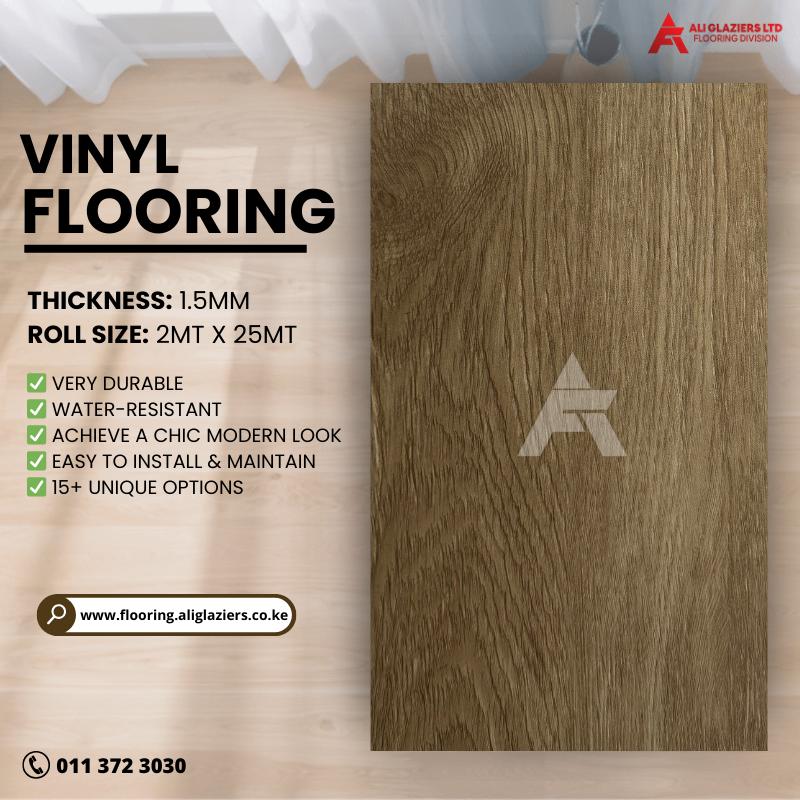
- Crawl
- Sit
- Walk
- Play with toys
- Build blocks
- Read
- Draw
- Practice new movements
This makes the floor an important part of the play environment.
A suitable surface should therefore do more than look attractive.
It should provide a practical combination of:
- Comfort
- Cleanability
- Appropriate cushioning
- Stability
- Durability
- Safe material specifications
For Kenyan homes, daycare centres, preschools, and children's activity areas, these considerations can help create spaces that are comfortable and easier to maintain.
What Makes Flooring Suitable for Toddler Play Areas?
Toddler flooring should be selected according to the activities taking place, the age of the children, cleaning requirements, and the manufacturer's safety specifications.
There is no single flooring product that is automatically the safest for every play area.
Instead, evaluate several characteristics.
Softness
A comfortable surface makes floor-based activities more pleasant.
Slip resistance
The flooring should provide appropriate traction for the intended environment.
Hygiene
The surface should be practical to clean and sanitise according to the manufacturer's instructions.
Durability
The floor needs to withstand toys, movement, furniture, and regular cleaning.
Material safety
Choose products with clearly stated material and emissions information where available.
Installation quality
The finished surface should be properly installed without avoidable gaps, loose edges, or trip hazards.
Why Cushioning Matters in Children's Play Areas
A cushioned flooring system can make floor-based play more comfortable and may help reduce the severity of minor bumps associated with everyday play, depending on the product and installation system.
Toddlers are still developing:
- Balance
- Coordination
- Walking skills
- Spatial awareness
They can easily lose balance during ordinary play.
A softer surface can make the environment more comfortable than a hard ceramic or stone floor.
However, flooring should not be treated as a substitute for appropriate supervision or other child-safety measures.
EVA Foam Mats for Toddler Areas
EVA foam mats are commonly used for temporary or dedicated children's play areas because they provide a soft, lightweight surface that can be assembled in sections.
They are available in:
- Interlocking tiles
- Play mats
- Coloured designs
- Plain surfaces
Potential advantages include:
- Soft feel
- Easy installation
- Lightweight construction
- Easy removal
- Flexible layouts
For home playrooms, interlocking mats can allow parents to create a defined play zone without replacing the entire room floor.
Before purchasing, check the manufacturer's information about:
- Material composition
- Intended age group
- Cleaning instructions
- Safety testing
- Recommended use
Rubber Flooring for Children's Play Areas
Rubber flooring can provide resilience and cushioning for certain children's activity environments, but product composition and safety certification should be checked carefully before installation.
Rubber flooring is available in:
- Tiles
- Rolls
- Interlocking mats
It can be useful where the floor needs to withstand regular activity.
Potential applications include:
- Indoor play areas
- Activity rooms
- Children's gyms
- School recreation spaces
However, not every rubber product has the same formulation.
Buyers should ask about:
- Material composition
- Odour
- Emissions
- Cleaning requirements
- Intended application
Vinyl Flooring in Nursery Spaces
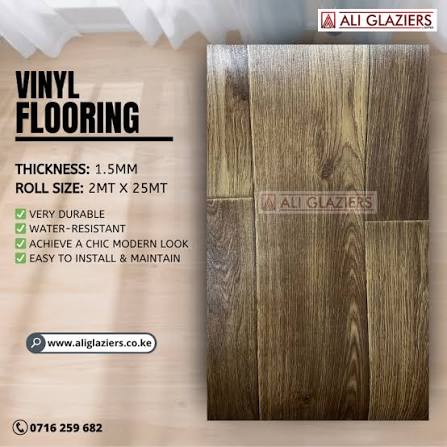
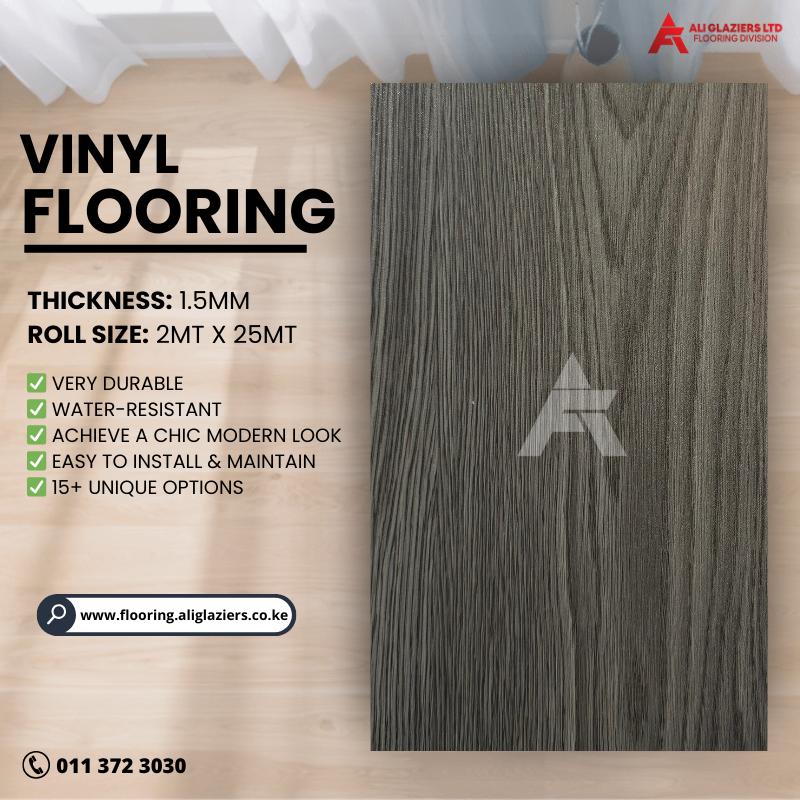
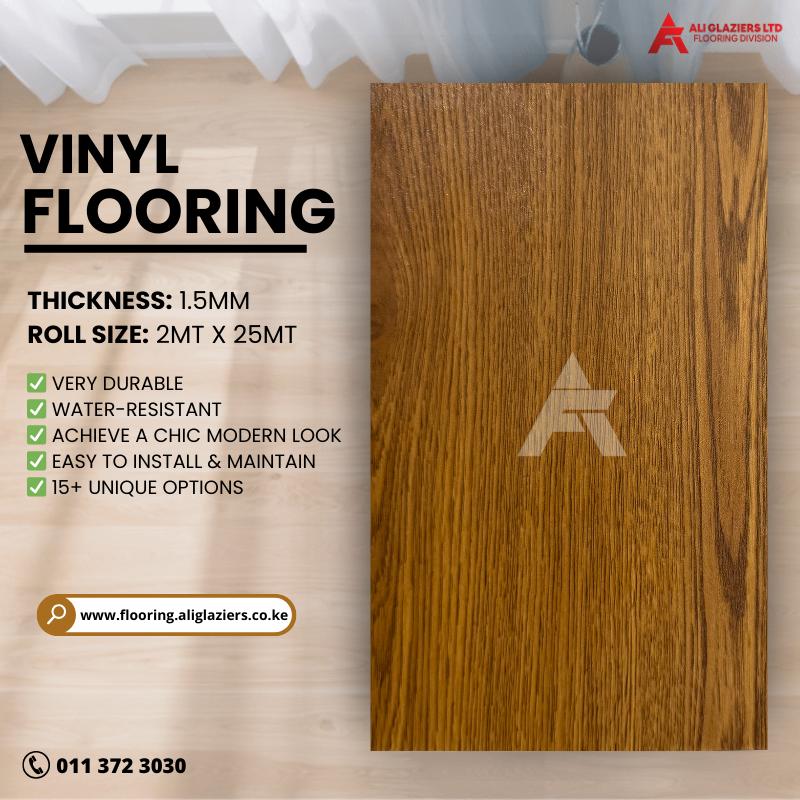
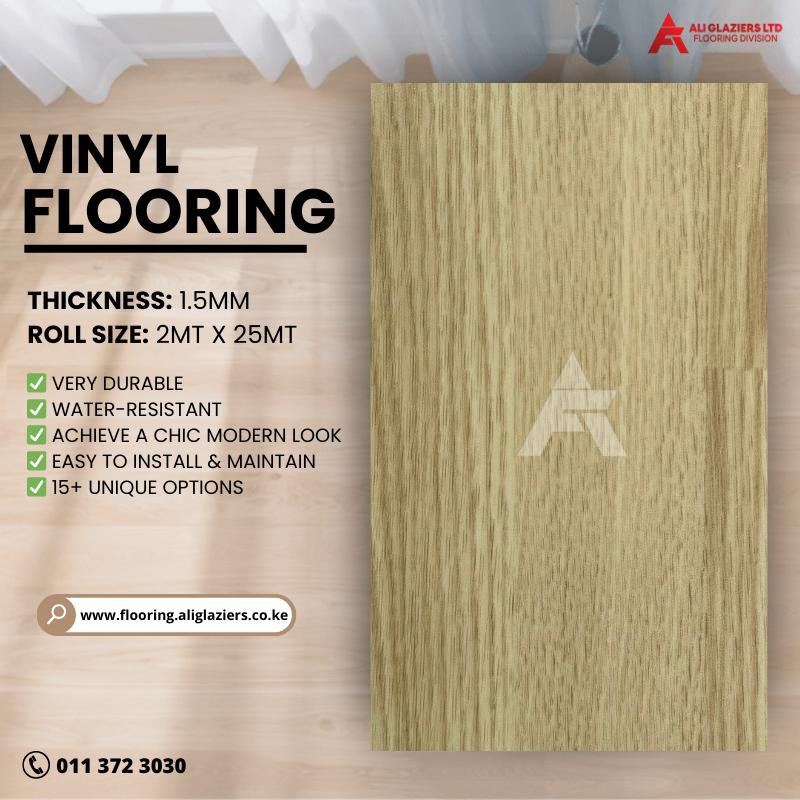
Vinyl flooring can be practical for nursery environments because many products provide smooth surfaces that are relatively easy to clean and maintain.
Vinyl can be available in:
- Wood-look designs
- Stone effects
- Plain colours
- Decorative patterns
Its easy-clean characteristics can be useful in spaces where spills and frequent cleaning are expected.
However, standard vinyl is not necessarily a highly cushioned surface.
If impact cushioning is a priority, consider using an appropriate resilient underlay or dedicated play surface where compatible with the manufacturer's installation instructions.
SPC Flooring for Children's Rooms
SPC flooring offers a rigid surface that is durable and easy to maintain, but it is not inherently a soft play surface and may require a separate cushioned area for toddlers.
SPC can work well around a play area because it is:
- Easy to clean
- Available in attractive designs
- Resistant to everyday wear
- Suitable for many residential interiors
However, if children will spend long periods crawling or playing directly on the floor, consider adding:
- Play mats
- Foam areas
- Soft rugs designed for children's spaces
Explore:
Carpet for Toddler Play Areas
Carpet provides a naturally softer surface and can create a warm, comfortable environment for indoor children's activities.
Wall-to-wall carpet can be considered for:
- Nursery rooms
- Reading areas
- Quiet play zones
- Daycare activity rooms
Advantages may include:
- Warmth underfoot
- Acoustic comfort
- Soft texture
- Reduced hard-surface reflection
However, carpet requires careful cleaning and maintenance.
Spills, food, dust, and other contaminants can become trapped within textile fibres if the surface is not maintained appropriately.
Carpet Tiles for Daycare Environments
Carpet tiles can offer practical flexibility in childcare environments because individual sections may be replaced if they become damaged or heavily stained.
This can be particularly useful in busy daycare environments.
Instead of replacing an entire room, maintenance teams may be able to address a specific affected area, depending on the product and installation method.
Carpet tiles can also be installed in patterns using different colours or textures.
Choosing Non-Toxic Flooring for Toddlers
When parents or childcare operators request non-toxic flooring, the most useful approach is to look for transparent product information, relevant emissions testing, and certifications rather than relying on marketing language alone.
Terms such as:
- Non-toxic
- Eco-friendly
- Child-safe
- Green
can mean different things depending on the manufacturer.
Ask suppliers for documentation covering:
- Material composition
- VOC emissions
- Relevant certifications
- Safety testing
- Installation adhesives
- Maintenance products
This provides a more reliable basis for comparison.
Why Low-VOC Products Matter Indoors
Volatile organic compounds, or VOCs, can be emitted by some building and furnishing products, so selecting materials with documented low emissions can help support better indoor air quality.
Potential sources in a flooring installation can include:
- Flooring materials
- Adhesives
- Underlays
- Sealants
- Cleaning products
For children's environments, consider the entire installation system rather than looking only at the flooring surface.
Where documentation is available, ask about relevant emissions testing and certification.
Flooring Adhesives and Children's Spaces
Adhesives can form part of some flooring installations, so their specifications should also be considered when creating indoor environments for young children.
Some flooring systems use:
- Click-lock installation
- Pressure-sensitive adhesives
- Full-spread adhesives
- Other installation methods
Where adhesives are required, select products recommended by the flooring manufacturer and follow the installation and ventilation instructions.
Easy-to-Clean Flooring for Toddlers
A toddler play area needs flooring that adults can clean regularly without damaging the surface.
Children's spaces may encounter:
- Food
- Drinks
- Paint
- Mud
- Dust
- Toys
- Other everyday messes
The flooring should therefore have a straightforward cleaning routine.
Smooth resilient surfaces such as suitable vinyl can be easier to wipe than textured materials.
Carpet requires a different maintenance approach involving:
- Regular vacuuming
- Spot cleaning
- Periodic deep cleaning
Slip Resistance in Children's Areas
Slip resistance is an important consideration because young children are still developing balance and coordination.
However, a highly textured surface is not automatically better.
The flooring should provide an appropriate balance between:
- Traction
- Cleanability
- Comfort
- Intended activity
For wet-prone areas, use products specifically designed and rated for the environment.
Avoiding Trips and Loose Edges
A safe play area needs a continuous, properly installed surface without avoidable loose edges, curled mats, or poorly secured transitions.
Potential hazards can include:
- Loose rugs
- Raised mat edges
- Damaged flooring
- Uneven transitions
- Exposed flooring joints
Interlocking mats should fit securely.
Carpets and rugs should be properly secured where required.
Doorways and transitions should also be checked regularly.
Designing a Warm Playroom
The right flooring can contribute to a warmer and more inviting playroom, particularly in cooler areas of Kenya where children may spend more time indoors.
Comfort can be improved through:
- Carpet
- Area rugs
- Foam play mats
- Appropriate underlay
The choice should depend on whether the room is primarily used for:
- Active play
- Reading
- Sleeping
- Learning
- Creative activities
A mixed flooring approach can sometimes work better than one material throughout the entire room.
Choosing Flooring for Daycare Centres
Daycare flooring needs to withstand significantly more activity than a typical home playroom, while remaining comfortable, hygienic, and straightforward for staff to maintain.
A daycare may have children:
- Crawling
- Running
- Sitting
- Eating
- Drawing
- Playing with toys
- Moving furniture
The flooring therefore needs to withstand repeated use and frequent cleaning.
For larger daycare facilities, consider dividing the space into activity zones.
For example:
| AreaSuitable Flooring Considerations | |
| Active play | Cushioned mats or resilient flooring |
| Reading corner | Carpet or soft rug |
| Eating area | Easy-clean resilient flooring |
| Corridors | Durable commercial flooring |
| Sleeping area | Comfortable, quiet surface |
| Creative area | Easy-to-clean flooring |
The final choice should always follow the product manufacturer's recommended application.
Carpet vs Vinyl for Toddler Spaces
Carpet and vinyl can both work in children's environments, but they offer different combinations of comfort, acoustics, maintenance, and cleaning requirements.
| FeatureCarpetVinyl | ||
| Underfoot comfort | High | Moderate |
| Acoustic performance | Generally strong | Lower without additional measures |
| Spill cleaning | Requires prompt attention | Generally easy |
| Warmth | Good | Moderate |
| Design options | Extensive | Extensive |
| Active play | Suitable depending on product | Suitable depending on product |
| Deep cleaning | Required periodically | Generally straightforward |
For a nursery, the decision may come down to whether comfort and acoustics or easy cleaning are the greater priority.
Rubber vs Foam Play Mats
Rubber and foam mats can both provide cushioning, but their characteristics differ and should be matched to the type of activity taking place.
Foam mats are often suitable for:
- Crawling areas
- Infant play
- Home nurseries
- Quiet play
Rubber products may be considered for:
- Activity rooms
- Children's gyms
- More intensive play
Before purchasing either option, verify:
- Material composition
- Safety information
- Odour and emissions information
- Cleaning instructions
- Intended age group
- Manufacturer recommendations
Hygiene and Flooring Maintenance
Hygiene is one of the most important considerations for toddler spaces because children frequently touch the floor and then touch toys, furniture, or their faces.
A practical cleaning routine should account for:
- Daily dirt
- Food spills
- Liquid spills
- Dust
- Mud
- Frequent contact
The exact cleaning method should follow the flooring manufacturer's instructions.
Using inappropriate chemicals can damage some flooring surfaces.
Sanitising Without Damaging the Floor
Childcare operators should use cleaning and sanitising products that are compatible with the installed flooring rather than assuming that stronger chemicals are always better.
Before using a cleaning product:
- Read the flooring manufacturer's instructions.
- Check whether the chemical is approved for the surface.
- Follow the recommended dilution.
- Avoid excessive moisture.
- Allow the surface to dry appropriately.
This is particularly important for:
- Vinyl
- Rubber
- Foam
- Carpet
- Laminated surfaces
Managing Moisture in Play Areas
Moisture should be managed quickly because persistent dampness can create cleaning, odour, and flooring problems.
Pay attention to:
- Drink spills
- Wet shoes
- Cleaning water
- Leaks
- Damp subfloors
In areas where moisture exposure is expected, select flooring designed for the environment.
For example, a rigid water-resistant flooring product may be more appropriate than traditional laminate in a spill-prone area.
Flooring Colour and Playroom Design
Colour can make a children's space feel brighter and more engaging, but flooring should remain practical enough to hide everyday dirt while supporting the overall design.
Possible approaches include:
Neutral base
Use beige, grey, or natural wood tones for a calm environment.
Colourful activity zones
Use different coloured mats or carpet tiles to define play areas.
Patterned flooring
Use subtle patterns to create visual interest without overwhelming the room.
Nature-inspired colours
Green, brown, and natural tones can create a relaxed environment.
The best choice depends on the room's lighting and overall design.
Creating Defined Activity Zones
Using different flooring areas can help organise a children's room into spaces for different activities.
For example:
Reading zone: Soft carpet
Active play zone: Cushioned mats
Art zone: Easy-clean resilient flooring
Storage zone: Durable hard surface
This approach can make the room more functional and easier for caregivers to manage.
Flooring for Home Nurseries
Home nurseries generally require flooring that balances comfort, easy cleaning, appearance, and compatibility with existing interior finishes.
Parents may choose:
- Carpet
- Foam play mats
- Vinyl
- SPC combined with play mats
- Area rugs
For babies and toddlers who spend considerable time on the floor, adding a dedicated cushioned play area can provide additional comfort even when the underlying floor is hard.
Flooring for Preschools
Preschools need flooring that can withstand repeated daily use while remaining comfortable and manageable for staff.
Important considerations include:
- Traffic
- Cleaning frequency
- Furniture movement
- Noise
- Spill exposure
- Activity type
Commercial-grade products designed for educational environments may be worth considering where available.
Flooring for Children's Activity Centres
Children's activity centres often require more durable flooring because the space may experience intense movement, equipment use, and frequent cleaning.
Before selecting a product, determine:
- Expected traffic
- Type of activities
- Equipment used
- Impact requirements
- Cleaning routine
The flooring specification should match the actual level of activity rather than simply being selected because it is marketed as "premium."
Installation Matters as Much as Product Selection
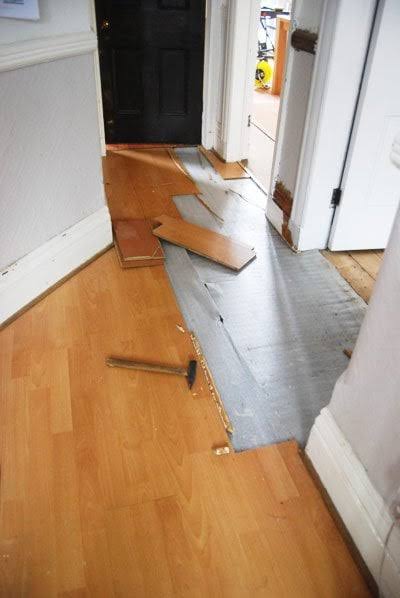
A quality flooring product can still create problems if it is installed over an unsuitable subfloor or if edges, joints, and transitions are poorly finished.
Professional installation should include:
- Site measurement
- Subfloor inspection
- Surface preparation
- Correct installation method
- Edge finishing
- Transition installation
- Final inspection
For children's areas, particular attention should be given to trip hazards and loose edges.
Inspect the Floor Regularly
Regular inspections can help identify small flooring problems before they become larger safety or maintenance issues.
Caregivers and facility managers should look for:
- Loose mats
- Damaged tiles
- Raised edges
- Worn surfaces
- Open joints
- Staining
- Moisture problems
Damaged flooring should be repaired or replaced according to the manufacturer's recommendations.
Common Flooring Mistakes in Toddler Areas
Many flooring problems can be avoided by considering the actual activities, cleaning routine, and age group before purchasing materials.
Choosing solely for appearance
A colourful floor may look attractive but may not be practical for heavy use.
Ignoring cleaning requirements
Some materials require considerably more maintenance than others.
Using ordinary rugs without securing them
Loose rugs can create trip hazards.
Assuming every foam product is identical
Foam products differ in composition, density, testing, and intended application.
Ignoring product documentation
Safety claims should be supported by appropriate manufacturer information.
Installing without preparing the subfloor
An uneven surface can affect the finished installation.
How to Choose Safer Flooring Products
The safest purchasing decision comes from matching a flooring product to its intended application and verifying the manufacturer's technical and safety information.
When sourcing flooring for children, ask:
- What is the product made from?
- Is it designed for children's environments?
- What emissions information is available?
- What cleaning products can be used?
- What is the recommended installation method?
- Does the manufacturer provide safety documentation?
- Is the product suitable for the expected level of activity?
These questions are more useful than relying solely on labels such as "eco-friendly" or "non-toxic."
Sustainable Flooring Considerations
Parents, schools, and childcare operators can also consider durability and product lifecycle when evaluating flooring options for children's spaces.
A long-lasting floor may reduce the need for frequent replacement.
When comparing products, consider:
- Expected service life
- Maintenance requirements
- Repairability
- Replacement requirements
- Product composition
- Manufacturer information
Sustainability should therefore be considered alongside safety, performance, and practicality.
Why Choose Ali Glaziers for Children's Flooring Projects?
Ali Glaziers Flooring Solutions provides flooring options that can be considered for homes, schools, offices, commercial properties, and other interior spaces, with product selection based on the specific requirements of each project.
Available categories include:
- SPC flooring
- Vinyl flooring
- Laminate flooring
- Carpets
- Artificial turf
- Flooring accessories
Explore:
For home and commercial flooring guidance, you can also explore:
Final Thoughts on Safe Toddler Flooring
Choosing flooring for toddlers requires more than selecting a soft or colourful surface. The best solution considers cushioning, hygiene, slip resistance, material information, durability, maintenance, and proper installation.
For home nurseries, parents may combine a durable underlying floor with a dedicated cushioned play area.
For daycares and preschools, the flooring should be selected according to:
- Number of children
- Activity level
- Cleaning frequency
- Room function
- Expected traffic
Carpet can provide warmth and acoustic comfort.
Vinyl can offer practical cleaning and maintenance.
Foam mats can create dedicated cushioned play zones.
Rubber flooring can provide resilience for selected activity areas.
SPC can provide a durable, easy-to-maintain surface around designated soft play areas.
No single product is ideal for every situation.
The most important step is to verify the product specifications, intended application, installation requirements, and available safety information before purchasing.
Contact Ali Glaziers Flooring Solutions
Planning a nursery, daycare, preschool, or children's play area? Ali Glaziers Flooring Solutions can help you explore suitable flooring options based on the room's function, design requirements, and maintenance needs.
Visit: Funzi Road Branch, End of Funzi Road, Industrial Area, Ali Glaziers LTD Building, Nairobi, Kenya
Call / WhatsApp: +254 (0) 716 259 682, +254 (0) 722 522 452
Email: info@aliglaziers.com
Shop Online: Ali Glaziers Flooring Shop
For children's spaces, choose flooring based on verified product information, appropriate cushioning, hygiene, durability, and professional installation—not simply colour or price.