
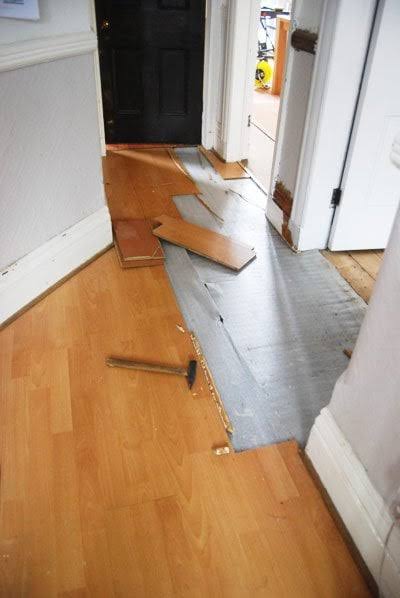
Learn how to remove old carpet, ceramic and terrazzo flooring in Kenya, prepare the subfloor and manage debris before installing a new floor.
Removing an old floor is often the first major step before installing a new flooring system. Whether a property currently has carpet, ceramic tiles, terrazzo, vinyl or another floor covering, the success of the replacement depends heavily on what happens underneath the old material.
For homeowners, contractors, developers, interior designers and commercial property managers, remove old flooring Kenya projects require more than simply breaking or pulling up the visible surface. The existing flooring has to be assessed, removed using an appropriate method, and the exposed substrate prepared for the new floor.
A poor uplift can leave behind adhesive, broken tile fragments, uneven concrete, damaged screed or excessive dust. Installing new flooring over these problems can lead to movement, visible imperfections, premature wear and other installation failures.
Shop Vinyl Flooring
View all Vinyl Flooring



The correct approach depends on the existing floor type, the condition of the substrate, the proposed replacement flooring and the size of the project.
This guide explains how floor uplift works for carpet, ceramic tiles and terrazzo, what happens after removal, when complete removal is necessary, how debris should be handled and what contractors should consider before starting a flooring renovation in Kenya.
What Is Floor Uplift?
Floor uplift is the process of removing an existing floor covering, adhesive, bedding material or other layers to expose a suitable substrate for a new flooring installation. The exact method depends on the existing flooring and the condition of the floor beneath it.
The process may involve:
- Pulling up carpet
- Removing carpet adhesive
- Lifting vinyl
- Breaking ceramic tiles
- Removing tile adhesive
- Chipping terrazzo
- Grinding residual material
- Scraping adhesive
- Repairing the substrate
- Levelling the floor
- Cleaning and preparing the surface
The objective is not simply to remove the old floor.
The objective is to create a stable, clean and suitably prepared surface for the new flooring system.
That distinction is important.
When Should You Remove Old Flooring?
Old flooring should generally be removed when it is damaged, unstable, unsuitable for the proposed replacement system or preventing the new floor from being installed according to its manufacturer's requirements.
Reasons for an uplift can include:
- Cracked tiles
- Loose tiles
- Damaged terrazzo
- Worn carpet
- Persistent odours
- Water damage
- Uneven surfaces
- Failing adhesive
- Extensive deterioration
- Renovation
- Change of interior design
- Change of building use
- Installation of SPC or vinyl
- Installation of new carpet
However, complete removal is not always necessary.
Some new flooring systems can be installed over certain existing floors if the substrate meets the manufacturer's requirements.
The decision should therefore be based on condition and compatibility, not simply on age.
Remove Old Flooring Kenya: Why Preparation Matters
For any remove old flooring Kenya project, the condition of the exposed substrate should be treated as seriously as the removal itself. The new floor can only perform as intended when the surface beneath it is suitable.
Imagine removing ceramic tiles and immediately installing SPC.
If the old adhesive ridges remain, they can affect the new floor.
If the screed underneath is badly cracked, the problem may continue.
If moisture is present, the new flooring system may experience problems.
If the surface is uneven, the finished floor may not look or perform properly.
Therefore:
Old floor removal → substrate inspection → preparation → new flooring installation.
Skipping the middle steps can create expensive problems later.
Removing Old Carpet
Carpet is usually one of the easier floor coverings to uplift because the carpet itself can often be cut into manageable sections and pulled away from the substrate. The difficult part can be removing the underlay, adhesive or gripper system underneath.
The process may include:
- Remove furniture.
- Inspect the carpet edges.
- Disconnect or remove transition strips where necessary.
- Cut carpet into manageable sections.
- Pull the carpet from the perimeter.
- Remove underlay.
- Remove carpet grippers where applicable.
- Scrape adhesive.
- Vacuum and clean the substrate.
- Inspect the exposed floor.
Carpet should ideally be removed carefully rather than dragged across finished surfaces.
Old carpet can contain considerable amounts of:
- Dust
- Dirt
- Hair
- Debris
- Adhesive
- Moisture-related contamination
Appropriate PPE and dust-control measures are particularly important during commercial renovation work.
Removing Carpet Adhesive
Carpet removal does not always leave a clean substrate. Adhesive residue can remain on concrete, screed or another base and may need mechanical or manual removal before the next flooring system is installed.
Possible techniques include:
- Scraping
- Mechanical sanding
- Grinding
- Suitable adhesive-removal methods
- Controlled moisture methods where appropriate
The correct technique depends on:
- Adhesive type
- Substrate
- Proposed replacement flooring
- Manufacturer instructions
For example, a new glue-down floor may require a much more carefully prepared substrate than a system with different installation requirements.
Do not assume that because the old carpet has been removed, the floor is automatically ready.
Removing Carpet Grippers
Carpet grippers installed around room edges should be removed when they interfere with the new flooring installation or finishing details. Any resulting holes or damage should then be assessed and repaired.
Grippers may be fixed using:
- Nails
- Staples
- Adhesives
- Mechanical fixings
Removing them can expose:
- Nail holes
- Chips
- Cracks
- Damaged screed
These areas should be addressed during substrate preparation.
Ceramic Tile Removal
Ceramic tile uplift is more labour-intensive than carpet removal because tiles are mechanically bonded to the substrate and usually need to be broken, lifted and separated from the adhesive or mortar beneath.
A typical process includes:
- Inspect the existing tile floor.
- Identify vulnerable edges and services.
- Establish a safe work area.
- Remove skirting or transition pieces where necessary.
- Break or lift the first tile.
- Work systematically across the area.
- Remove tile fragments.
- Remove adhesive or bedding material.
- Inspect the substrate.
- Repair and level as necessary.
Tools can include:
- Hand chisels
- Scrapers
- Pry bars
- Demolition hammers
- Floor scrapers
- Mechanical grinders
The correct tool depends on the floor construction and project scale.
Tile Removal Before Flooring
Tile removal before flooring is often necessary when the existing ceramic installation is unstable, excessively uneven, damaged or incompatible with the proposed new floor. However, some flooring systems can be installed over existing tiles when the manufacturer's conditions are satisfied.
Before removing every tile, ask:
- Is the existing tile stable?
- Is the floor level?
- Are there loose or hollow tiles?
- Are grout joints excessively deep?
- Is there moisture?
- Is the proposed flooring suitable for installation over tiles?
- Will the finished floor height cause problems?
- Are doors and skirting affected?
- Does the manufacturer permit overlay installation?
This assessment can sometimes save significant labour.
For example, SPC may be suitable for installation over certain existing floors when the substrate is appropriately prepared.
See the guide on installing SPC flooring over old tiles.
The final decision should follow the flooring manufacturer's installation instructions.
How Ceramic Tiles Are Lifted
Ceramic tiles are normally loosened mechanically and then removed in manageable sections. Care is needed because breaking tiles creates sharp fragments and substantial dust and can potentially damage the underlying screed.
The first tile can often be the most difficult.
Once an opening is created, tools can be inserted beneath neighbouring tiles to accelerate the process.
For large areas, powered equipment may significantly improve productivity.
However, aggressive demolition can also cause:
- Deep substrate damage
- Cracking
- Excessive vibration
- Dust
- Damage to nearby walls
- Damage around services
The removal strategy should therefore match the building and project conditions.
Removing Tile Adhesive
After ceramic tiles are removed, adhesive, mortar or screed remnants may remain on the substrate. These remnants may need to be scraped, chipped, ground or otherwise treated to create the required surface for the new flooring.
The amount of preparation depends on:
- Adhesive thickness
- Adhesive strength
- Substrate condition
- New flooring type
- Required flatness
For click-lock flooring, excessive high spots can affect the installation.
For resilient flooring, surface imperfections can sometimes become visible through the finished material.
This is why floor uplift should include an allowance for substrate preparation.
Removing Terrazzo Flooring
Terrazzo uplift can be significantly more demanding than carpet or some ceramic tile removal because terrazzo may form a thick, hard, bonded flooring layer that requires mechanical breaking or cutting.
Terrazzo can consist of:
- Cementitious binder
- Aggregate
- Decorative stone
- Cement or other binder systems
Its strength and thickness can make removal labour-intensive.
Depending on the installation, contractors may need:
- Heavy-duty breakers
- Chisels
- Floor demolition equipment
- Grinders
- Dust-control equipment
The substrate underneath must be assessed after removal.
Terrazzo Uplift and Structural Considerations
Because terrazzo can be heavy and strongly bonded, its removal should be planned carefully to avoid unnecessary damage to the substrate or surrounding construction. Mechanical demolition should be controlled rather than indiscriminate.
Before starting a major terrazzo uplift, assess:
- Thickness
- Bonding method
- Substrate
- Building structure
- Nearby walls
- Services
- Access
- Waste removal route
In older buildings, additional caution may be necessary because the floor construction may not be obvious from the surface.
For major commercial projects, a site assessment should precede demolition.
Can You Install New Flooring Over Terrazzo?
Sometimes a new floor can be installed over an existing terrazzo surface, but the suitability depends on the condition, level, cleanliness and moisture characteristics of the existing floor and the requirements of the new flooring system.
Check:
- Flatness
- Stability
- Cracks
- Loose areas
- Moisture
- Surface contamination
- Height restrictions
For example, overlaying a new floor may affect:
- Door clearance
- Stair levels
- Skirting
- Kitchen units
- Bathroom thresholds
- Transition strips
The cheapest removal strategy is not always the best solution.
What Happens After Old Floor Removal?
Once the old floor has been removed, the exposed substrate must be inspected before the new flooring is installed. This stage identifies cracks, unevenness, adhesive residue, moisture and other conditions that could affect the replacement floor.
A post-uplift inspection should consider:
Flatness
Is the floor sufficiently level for the new system?
Cracks
Are cracks superficial or potentially structural?
Moisture
Is moisture within the acceptable range for the proposed floor?
Cleanliness
Has adhesive, dust and debris been removed?
Strength
Is the substrate sound and stable?
Contamination
Are there oils, chemicals or other substances that could interfere with installation?
Surface texture
Is the surface suitable for the chosen adhesive or installation method?
Floor Levelling After Uplift
Floor levelling may be necessary when old flooring removal exposes an uneven or damaged substrate. The levelling method should be selected according to the substrate and new flooring requirements.
Potential preparation methods include:
- Localised patching
- Cementitious repair
- Self-levelling compounds
- Grinding
- Filling low areas
- Removing high spots
The objective is to produce the surface required by the new flooring manufacturer.
Over-levelling can also be wasteful.
The correct amount of preparation should be determined after inspection.
Moisture Testing After Floor Removal
Removing the old floor can reveal moisture problems that were hidden beneath the previous covering. Moisture assessment is particularly important before installing flooring systems that have specific substrate moisture requirements.
Potential sources include:
- Ground moisture
- Plumbing leaks
- Wet areas
- Recent concrete
- Poor drainage
- Water ingress
A visually dry floor is not necessarily a sufficiently dry substrate.
Where the flooring system requires moisture testing, it should be performed using an appropriate method.
Dust Control During Floor Uplift
Floor demolition can produce substantial dust, particularly when ceramic tiles, terrazzo, adhesives or concrete-based materials are mechanically broken or ground. Dust control should therefore be incorporated into the removal plan.
Measures can include:
- Work-area isolation
- Appropriate ventilation
- Dust extraction
- Wet methods where suitable
- Protective barriers
- Appropriate PPE
- Controlled demolition
In occupied buildings, dust management becomes even more important.
For example, renovation in:
- Hospitals
- Schools
- Offices
- Hotels
- Retail stores
may require the contractor to separate the work zone from occupants.
Safety During Old Floor Removal
Old floor removal involves sharp fragments, heavy equipment, dust, noise and potentially hazardous working conditions. Contractors should assess the site and use suitable protective measures before starting demolition.
Basic controls can include:
- Safety footwear
- Gloves
- Eye protection
- Appropriate respiratory protection
- Hearing protection
- Safe electrical equipment
- Controlled access
- Warning signage
Workers should also understand the equipment being used.
For commercial projects, the method statement should address the specific site risks.
What About Hidden Services?
Floor demolition can expose or damage hidden services such as electrical conduits, plumbing or other installations, so the work area should be assessed before aggressive mechanical removal begins.
Potential risks include:
- Electrical cables
- Water pipes
- Drainage
- Data conduits
- Underfloor systems
The more aggressive the demolition method, the more important the site assessment becomes.
Do not assume that every floor is simply concrete beneath the visible finish.
Removing Old Flooring in Occupied Buildings
Removing old flooring from an occupied building requires additional planning because noise, dust, access restrictions and waste movement can disrupt normal operations.
For offices, schools and commercial facilities, contractors may schedule work:
- After business hours
- During weekends
- During holidays
- In phased sections
Temporary barriers can separate construction areas from occupants.
A phased approach can allow part of the building to remain operational.
This can be particularly useful for:
- Schools
- Hospitals
- Hotels
- Retail spaces
- Office buildings
Debris Generated During Floor Uplift
Old flooring removal generates waste that should be collected, separated where practical and transported using an appropriate waste-management approach. Ceramic and terrazzo demolition can generate particularly heavy waste.
Typical waste includes:
- Carpet
- Underlay
- Ceramic tiles
- Terrazzo
- Adhesive
- Screed
- Packaging
- Broken fragments
- Dust and debris
The volume can be surprisingly large.
For this reason, waste planning should happen before demolition starts.
How Much Waste Does Old Flooring Create?
The amount of waste depends on the floor type, thickness, installation method and area being demolished. Heavy mineral-based flooring such as ceramic and terrazzo can generate substantially more weight than carpet.
A contractor should estimate:
- Floor area
- Material thickness
- Demolition method
- Number of rooms
- Accessibility
- Waste collection frequency
For large projects, waste should not simply be left to accumulate inside the building.
Plan the removal route and temporary storage area beforehand.
Ceramic and Terrazzo Waste Disposal
Ceramic and terrazzo waste should be handled responsibly and transported to an appropriate disposal or recovery facility in accordance with applicable requirements. Heavy construction waste should not simply be dumped in unauthorised locations.
Where possible, consider whether some materials can be:
- Reused
- Recycled
- Crushed for appropriate applications
- Separated from general waste
The appropriate route depends on the material and local waste-management arrangements.
For large projects, contractors should establish waste responsibilities clearly in the contract.
Old Flooring Removal and New SPC Flooring
When replacing an old floor with SPC, the condition of the substrate is particularly important because SPC is a rigid flooring system that requires an appropriately prepared base.
Before installation, assess:
- Flatness
- Cleanliness
- Moisture
- Stability
- Existing damage
- Transition levels
SPC can offer an attractive renovation solution, but it should not be used to hide a fundamentally unsuitable substrate.
See SPC flooring for Kenya's climate.
For comparison with other flooring systems, see laminate vs SPC flooring in Kenya.
Old Floor Removal Before Vinyl Flooring
Vinyl flooring can provide a practical renovation solution, but the substrate often needs careful preparation because imperfections can affect the finished appearance and installation performance.
Before vinyl installation:
- Remove loose material.
- Remove unsuitable adhesive.
- Repair cracks.
- Correct significant unevenness.
- Clean thoroughly.
- Confirm moisture requirements.
- Follow the manufacturer's installation system.
A smooth and properly prepared substrate can make a significant difference to the finished result.
Explore vinyl flooring options when planning a replacement project.
Old Floor Removal Before Carpet Tiles
Carpet tiles can be installed efficiently in commercial environments, but the substrate must still be clean, stable and suitable for the specified installation method.
After removing an old floor:
- Remove loose debris.
- Remove unsuitable adhesive.
- Repair damaged areas.
- Check floor level.
- Confirm moisture requirements.
- Prepare the surface.
- Follow the carpet-tile manufacturer's installation instructions.
Carpet tiles can be particularly useful where future maintenance flexibility is important because individual tiles can potentially be replaced.
See carpet tile options.
How Long Does Floor Uplift Take?
The time required for floor uplift depends on the floor type, area, adhesive strength, access, equipment, substrate condition and waste-removal arrangements. Carpet is generally quicker to remove than bonded ceramic or terrazzo flooring.
A small carpeted room may be cleared relatively quickly.
A large tiled commercial facility can take substantially longer.
Terrazzo demolition may require even more time because of:
- Material thickness
- Bond strength
- Heavy equipment
- Waste weight
- Dust-control requirements
Contractors should therefore assess the actual site rather than estimating removal time purely from floor area.
What Makes Floor Removal More Expensive?
Floor uplift costs increase when the existing floor is strongly bonded, the substrate requires extensive repair or access and waste removal are difficult. The cheapest quotation is therefore not always the lowest total project cost.
Cost drivers can include:
- Labour
- Demolition equipment
- Dust control
- Adhesive removal
- Substrate repairs
- Levelling
- Waste transport
- Disposal
- Restricted access
- Working-hours restrictions
- Protection of surrounding areas
When requesting a quotation, ask whether the price includes substrate preparation and waste removal.
Should Floor Removal and Installation Be Quoted Separately?
Separating removal, preparation and installation in a quotation can make the scope clearer and help the client understand where project costs are coming from.
For example:
| Work itemUnit | |
| Existing carpet removal | m² |
| Ceramic tile uplift | m² |
| Adhesive removal | m² |
| Substrate repairs | m² / item |
| Floor levelling | m² |
| Debris removal | Item / load |
| New SPC installation | m² |
| Skirting | Linear metre |
This structure can be particularly useful for commercial renovation projects.
Can You Remove Only Damaged Sections?
Partial uplift can sometimes be appropriate when the existing floor is generally sound and only specific areas require replacement. However, the replacement material and substrate must be compatible with the surrounding floor.
Partial removal can be useful for:
- Damaged carpet tiles
- Localised vinyl damage
- Broken ceramic tiles
- Isolated areas of deterioration
Complete removal may be preferable when:
- Damage is widespread
- The floor is unstable
- The new flooring requires a different substrate
- Moisture problems exist
- The existing floor is unsuitable
The decision should be based on the project objective.
Planning Floor Uplift for a Renovation
Good planning reduces disruption by determining what needs to be removed, how it will be removed, where waste will go and what substrate preparation will be required before the new flooring arrives.
A practical sequence is:
Step 1: Inspect
Identify the existing floor and its condition.
Step 2: Select the removal method
Choose manual or mechanical uplift as appropriate.
Step 3: Protect the building
Protect walls, doors, furniture and occupied areas.
Step 4: Remove the old floor
Work systematically.
Step 5: Remove residues
Address adhesive, mortar and loose material.
Step 6: Inspect the substrate
Check flatness, strength and moisture.
Step 7: Repair and level
Prepare the surface for the new floor.
Step 8: Clean
Remove dust and debris.
Step 9: Install the new floor
Follow the manufacturer's requirements.
Step 10: Finish and inspect
Complete skirting, trims and transitions before handover.
Choosing the Right Replacement Flooring
Old-floor removal provides an opportunity to reconsider the flooring system rather than automatically replacing one material with another identical product. The best choice depends on the room, traffic, maintenance requirements, appearance and budget.
Common options include:
SPC
Suitable for many residential and commercial applications where its performance characteristics and installation requirements fit the project.
Vinyl
Useful where practical maintenance and a wide range of designs are required.
Laminated wood
Can provide a wood-inspired appearance for suitable interior environments.
Carpet
Can provide warmth and acoustic benefits in selected rooms.
Carpet tiles
Useful for many offices and commercial spaces.
Artificial turf
Useful for selected outdoor or decorative applications rather than conventional indoor floor replacement.
See flooring solutions for kitchens and bathrooms when selecting flooring for areas exposed to moisture and frequent cleaning.
Final Inspection After Floor Uplift
The substrate should be inspected and approved before the new flooring installation begins. Finding a problem before installation is significantly easier than discovering it after the finished floor has been laid.
Check for:
- Remaining adhesive
- High spots
- Low areas
- Cracks
- Moisture
- Dust
- Loose material
- Surface contamination
- Damaged edges
- Incorrect floor levels
Take photographs before covering the substrate.
For larger projects, documenting the preparation stage can also provide useful evidence if questions arise later.
Final Takeaway: Don't Treat Removal as an Afterthought
Successful flooring renovation begins with proper removal and substrate preparation. Carpet, ceramic and terrazzo each require different uplift techniques, and the exposed floor should be inspected and prepared before the replacement flooring is installed.
For anyone planning to remove old flooring Kenya, the key is to consider the entire process rather than just the demolition.
Think in this sequence:
Existing floor → safe uplift → waste removal → substrate inspection → repairs → levelling → cleaning → new flooring.
For ceramic and terrazzo, allow for heavier demolition and waste.
For carpet, plan for adhesive and underlay removal.
For every floor type, investigate the condition of the substrate.
And before deciding to remove an existing floor completely, establish whether the proposed replacement can legally and technically be installed over it according to the manufacturer's instructions.
A well-prepared substrate gives SPC, vinyl, carpet tiles and other flooring systems a much better foundation for long-term performance.
Flooring Solutions and Installation Support from Ali Glaziers Flooring Solutions
Ali Glaziers Flooring Solutions provides flooring products and project guidance for residential, commercial and institutional projects in Nairobi and across Kenya.
Explore:
- SPC Flooring
- Vinyl Flooring
- Egyptian Carpets
- Carpet Tiles
- Wall-to-Wall Carpets
- Corridor Runners
- Artificial Turf
For a renovation project, provide details about the existing flooring, approximate floor area and proposed replacement flooring when requesting advice or a quotation. This makes it easier to determine whether uplift, substrate preparation and installation should be included in the project scope.
Contact Ali Glaziers Flooring Solutions
Why choose Ali Glaziers Flooring Solutions?
- Wide range of flooring solutions
- SPC, vinyl, laminated wood and Egyptian carpets
- Options for residential, commercial and institutional projects
- Product selection guidance
- Installation advice
- Flooring solutions in Nairobi and across Kenya
Visit Us: Funzi Road Branch, End of Funzi Road, Industrial Area, Ali Glaziers LTD Building, Nairobi, Kenya
Call / WhatsApp: +254 (0) 716 259 682, +254 (0) 722 522 452
Email: info@aliglaziers.com
Shop Online: flooring.aliglaziers.com/shop
Request a Quote: Contact Ali Glaziers Flooring Solutions