
Discover Residential Flooring Trends Kenya, from traditional cement floors and terrazzo to modern laminate, vinyl, and SPC flooring systems.
Residential Flooring Trends Kenya: From Traditional Floors to Modern Surfaces
Residential Flooring Trends Kenya have changed significantly over the decades, moving from practical cement and terrazzo surfaces toward modern materials such as laminate, vinyl, engineered wood visuals, and SPC systems. This evolution reflects changing construction methods, lifestyles, interior design preferences, and access to new flooring technologies.
The floor is one of the largest visible surfaces inside a home.
It influences:
Shop Vinyl Flooring
View all Vinyl Flooring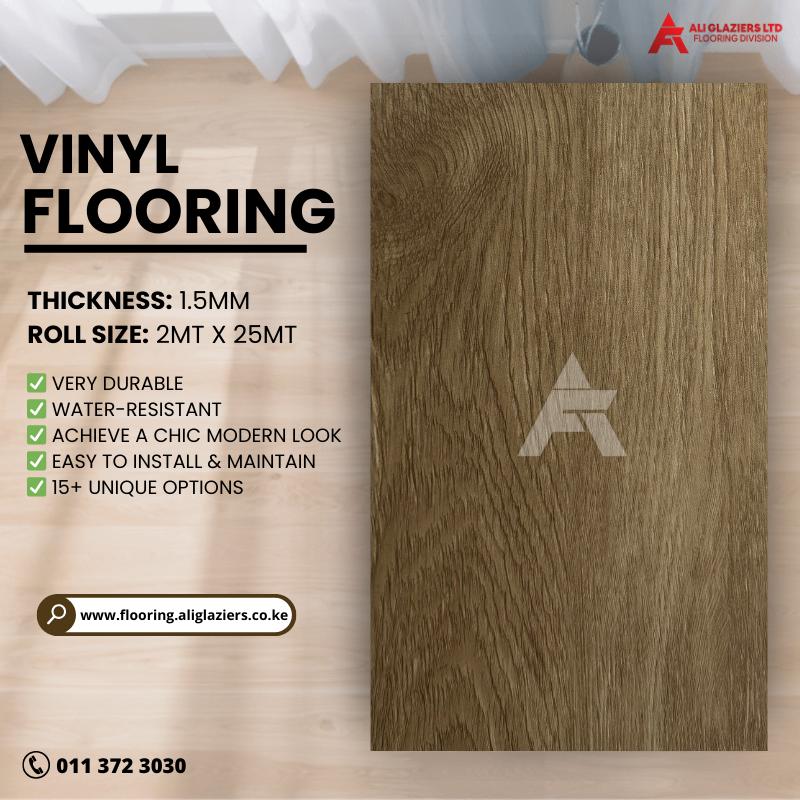
- Comfort
- Appearance
- Cleaning
- Durability
- Acoustic performance
- Maintenance
- Property presentation
Yet modern flooring did not appear overnight.
Kenyan homes have passed through several stages of flooring development, with each period introducing materials and installation methods suited to the needs and budgets of homeowners.
Understanding this history helps explain why today's homeowners have such a wide range of choices.
Traditional Earthen Floors
Before manufactured flooring became widely accessible, many homes relied on compacted earth or other locally available surfaces that prioritised practicality over decorative appearance.
In rural and traditional settings, the floor was often closely connected to the materials available locally.
Depending on the location and building type, surfaces could include:
- Compacted earth
- Natural soil
- Mud-based finishes
- Locally available materials
These floors were inexpensive and relatively straightforward to maintain, but they could present challenges involving:
- Dust
- Moisture
- Unevenness
- Cleaning
- Long-term wear
As construction methods developed, more durable manufactured surfaces became increasingly common.
The Rise of Cement Floors
Cement-based floors became an important step toward more durable residential surfaces because they offered a harder and more uniform alternative to basic earth floors.
Cement floors became particularly useful because they could provide:
- A firm surface
- Easier sweeping
- Greater durability
- Better resistance to everyday foot traffic
Simple cement finishes could also be adapted to different residential applications.
For many homes, the floor did not need to be decorative.
It simply needed to be functional.
Red-Oxide Floors
Red-oxide cement floors became associated with practical residential construction and offered a stronger visual character than plain grey cement surfaces.
The distinctive reddish appearance could create a finished look without requiring expensive tiles.
Red-oxide floors were valued for their:
- Practicality
- Affordability
- Simple appearance
- Relatively straightforward maintenance
They remain visible in some older buildings and homes today.
Their historical importance demonstrates an early shift from purely functional surfaces toward finishes with deliberate decorative character.
The Growing Popularity of Terrazzo
Terrazzo introduced a more decorative and durable flooring option by combining cementitious material with aggregates that could be polished to create a distinctive surface.
Terrazzo could provide:
- Decorative patterns
- A hard-wearing surface
- Smooth finishing
- Long service life when properly maintained
It became particularly attractive for areas requiring a more finished appearance.
Terrazzo also demonstrated an important development in residential flooring:
The floor was increasingly becoming part of interior design rather than simply a structural surface.
The Expansion of Ceramic Tiles
Ceramic tiles represented another major change because they offered homeowners greater choice in colour, pattern, texture, and room-specific applications.
Tiles became popular for areas such as:
- Kitchens
- Bathrooms
- Entrances
- Living rooms
- Verandas
Their popularity was supported by several practical advantages.
Tiles can provide:
- Easy cleaning
- Water resistance in appropriate applications
- Decorative variety
- Durable surfaces
Manufacturing improvements also expanded the range of available designs.
Tiles and Interior Design
As tile designs became more varied, homeowners could use flooring to create specific interior styles rather than treating every room in exactly the same way.
A home could feature:
- Patterned bathroom tiles
- Neutral living-room tiles
- Decorative kitchen tiles
- Outdoor tiles
This created a new approach to residential design.
Instead of asking:
"What floor can we install?"
homeowners increasingly asked:
"What flooring style suits this room?"
The Influence of Imported Flooring
Greater access to imported building materials expanded the range of flooring products available to Kenyan homeowners and developers.
As construction markets developed, consumers gained access to products with different:
- Designs
- Thicknesses
- Textures
- Installation systems
- Performance characteristics
This helped introduce flooring categories that were less common in earlier residential construction.
The result was a gradual shift toward greater choice.
The Arrival of Laminate Flooring
Laminate flooring introduced wood-inspired visual designs in a format that could offer a different aesthetic from conventional ceramic tiles.
Wood-look flooring became increasingly attractive for homeowners wanting:
- Warm interiors
- Timber-inspired designs
- Contemporary appearance
- Consistent plank patterns
Laminate could recreate the visual character of materials such as:
- Oak
- Walnut
- Ash
- Other wood-inspired finishes
This allowed homeowners to achieve a wood-style appearance without necessarily using solid hardwood throughout the property.
Why Wood Visuals Became Popular
Wood-inspired flooring became popular because it introduced warmth and natural-looking patterns into contemporary interiors.
Unlike plain cement or conventional tile surfaces, wood visuals provide:
- Grain patterns
- Plank layouts
- Warm colour variations
- A residential character
They can complement:
- Modern furniture
- Traditional furniture
- Minimalist interiors
- Scandinavian-inspired designs
- Contemporary apartments
The Development of Vinyl Flooring
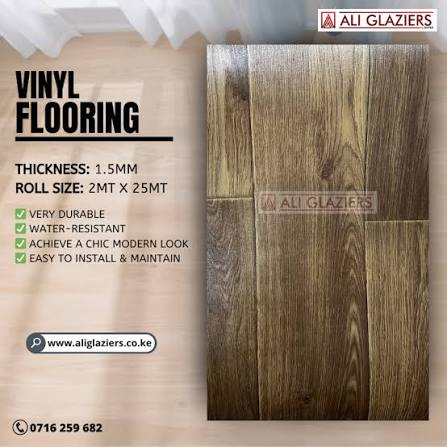
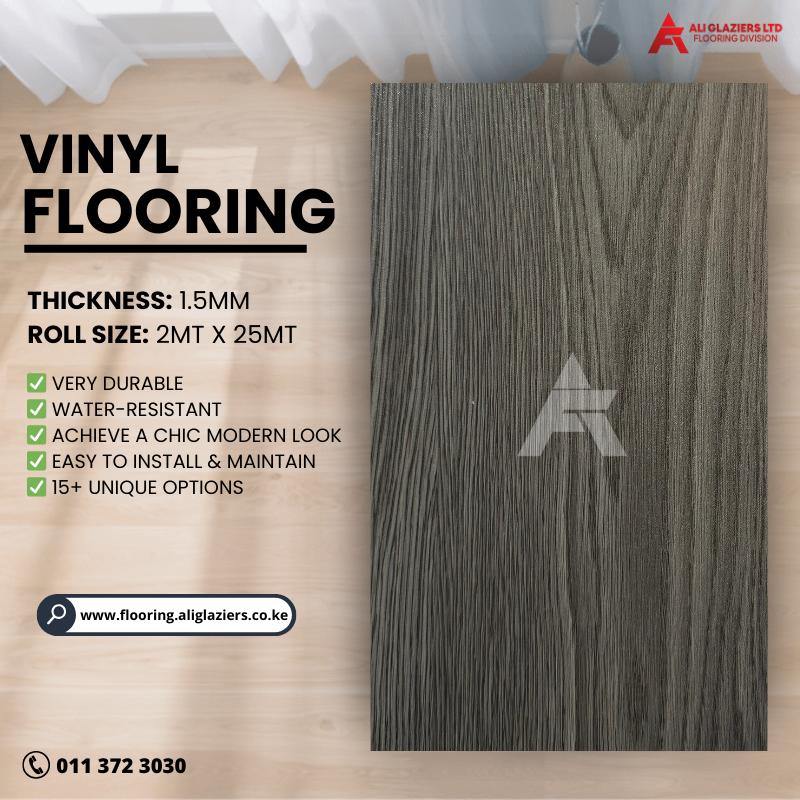
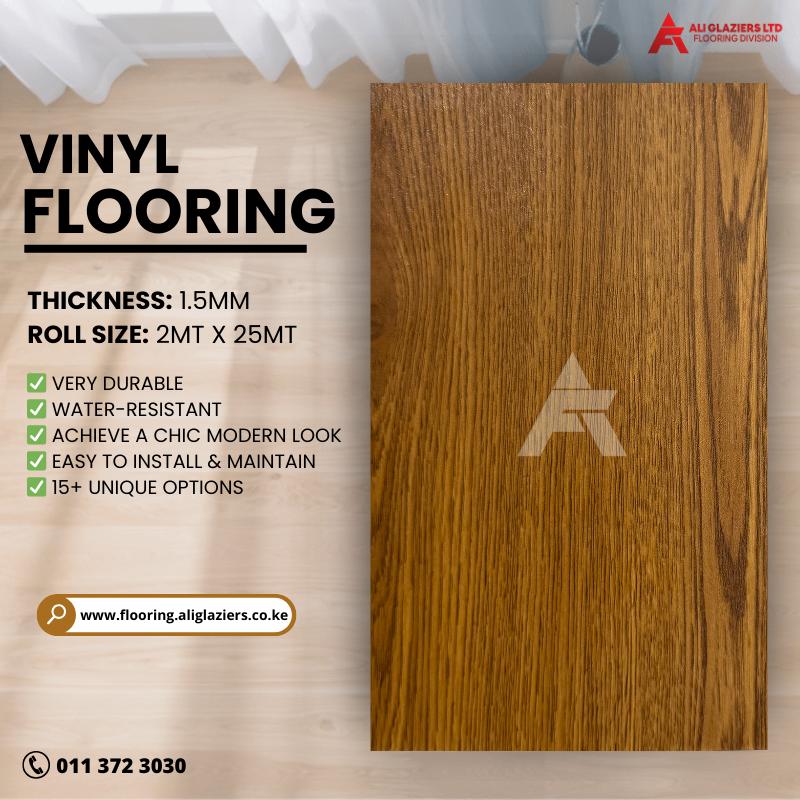
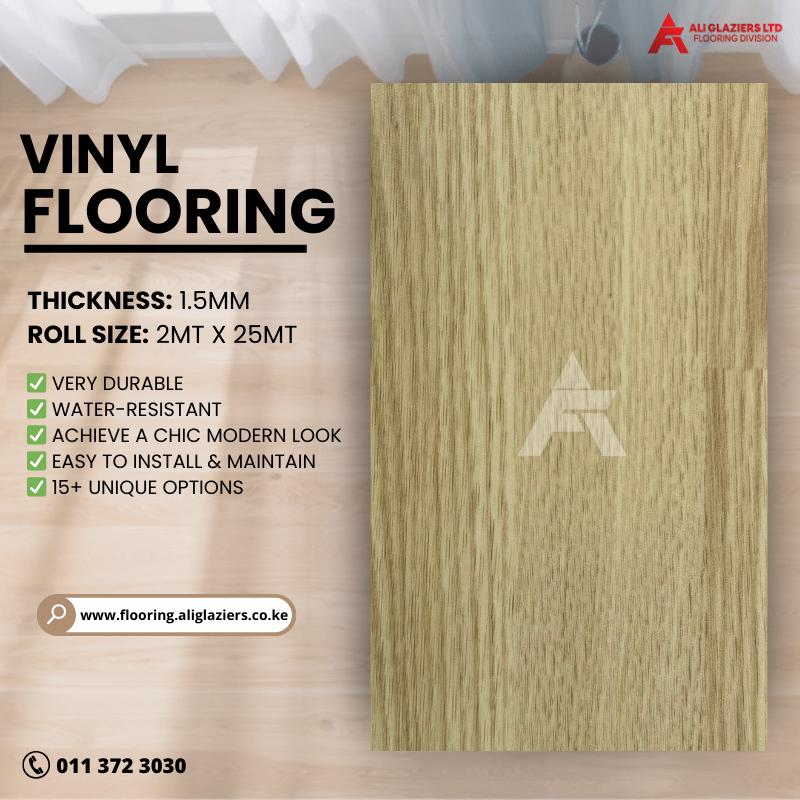
Modern vinyl flooring expanded residential flooring choices by offering versatile designs in formats suited to different rooms and applications.
Vinyl products can reproduce visual styles including:
- Wood
- Stone
- Marble-inspired surfaces
- Concrete
- Abstract patterns
Depending on the product, vinyl can be supplied in:
- Rolls
- Planks
- Tiles
This flexibility has helped make vinyl relevant to both residential and commercial interiors.
Modern Vinyl and Design Flexibility
Today's vinyl products can combine decorative appearance with practical features, making them useful for homeowners seeking flexible flooring solutions.
Modern products can offer:
- Wood-look designs
- Stone-look designs
- Multiple colours
- Different textures
- Various installation formats
The exact performance depends on the product specification.
Therefore, homeowners should consider more than appearance when selecting vinyl flooring.
The Emergence of SPC Flooring
SPC flooring represents a newer generation of rigid flooring systems that combine a stone-polymer composite core with decorative and protective layers.
SPC commonly refers to Stone Plastic Composite or Stone Polymer Composite, depending on the terminology used by the manufacturer.
Its construction can include:
- Protective wear layer
- Decorative visual layer
- Rigid composite core
- Backing layer
Some products also incorporate attached underlay.
This multi-layer construction is one reason SPC has attracted attention in modern residential interiors.
Why Click-Lock Systems Changed Installation
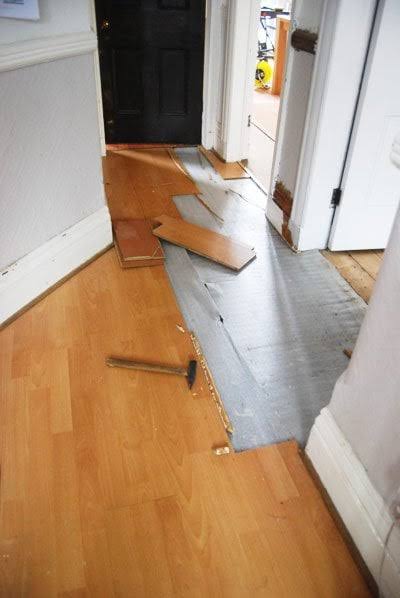
Click-lock flooring systems have simplified installation by allowing compatible boards to connect mechanically rather than requiring traditional adhesive installation across the entire floor.
Depending on the product, click systems can offer:
- Faster installation
- Cleaner installation
- Reduced adhesive use
- Easier board replacement
- Floating-floor installation
However, click-lock flooring still requires proper subfloor preparation.
A convenient installation system does not eliminate the need for a suitable foundation.
The Modern Kenyan Apartment
The growth of apartment living has influenced residential flooring choices by increasing demand for attractive, practical, and relatively easy-to-maintain surfaces.
Modern apartments may require flooring that works across:
- Living rooms
- Bedrooms
- Hallways
- Dining areas
- Home offices
Homeowners increasingly want finishes that combine appearance with practical maintenance.
This has contributed to demand for:
- SPC
- Vinyl
- Laminate
- Carpet
- Wood-look surfaces
Flooring and Changing Lifestyles
Modern lifestyles have changed the way homeowners evaluate flooring, with appearance now being considered alongside maintenance, durability, comfort, and installation time.
A busy household may prioritise easy cleaning.
A family with children may consider durability and comfort.
A property developer may focus on:
- Cost
- Installation speed
- Appearance
- Maintenance
- Tenant appeal
An interior designer may focus heavily on:
- Colour
- Pattern
- Texture
- Visual continuity
The modern flooring market therefore needs to satisfy multiple priorities simultaneously.
The Growth of Premium Residential Flooring
As household expectations and interior design standards have evolved, flooring has increasingly become an important investment rather than simply a functional building finish.
Modern homeowners may compare flooring based on:
- Appearance
- Durability
- Installation method
- Comfort
- Cleaning requirements
- Water resistance
- Warranty
- Long-term value
This has encouraged the growth of flooring products designed for different lifestyles and budgets.
Premium flooring is now found in:
- High-end homes
- Apartments
- Villas
- Holiday properties
- Executive residences
- Property developments
The Rise of Wall-to-Wall Carpeting
Wall-to-wall carpet introduced a softer alternative to hard flooring and became particularly useful in bedrooms, offices, hotels, and other spaces where warmth and acoustic comfort are priorities.
Carpet can provide:
- Soft underfoot comfort
- Thermal insulation
- Acoustic benefits
- Decorative patterns
- A warmer visual atmosphere
Modern carpet designs can range from simple neutral colours to:
- Geometric patterns
- Textured surfaces
- 3D designs
- Custom patterns
This has allowed carpet to remain relevant even as hard flooring products have expanded.
Flooring for Bedrooms
Bedroom flooring has increasingly shifted toward materials that combine comfort, warmth, and attractive design.
Homeowners may choose:
- Carpet
- Laminate
- SPC
- Vinyl
- Wood-look flooring
The best choice depends on the household's priorities.
For example, carpet may be attractive where softness and warmth are important.
SPC or laminate may appeal to homeowners who prefer a hard surface with a wood appearance.
The Influence of Commercial Flooring on Homes
Some flooring designs originally associated with commercial interiors have increasingly influenced residential design.
Examples include:
- Large-format visual styles
- Luxury vinyl designs
- Commercial-grade carpets
- Geometric patterns
- High-durability surfaces
Homeowners are increasingly interested in materials that can withstand active households while maintaining an attractive appearance.
This represents an important change from earlier generations of residential flooring.
Flooring in Modern Property Developments
Property developers now consider flooring as part of the overall value proposition of a residential development.
Flooring can influence how prospective buyers or tenants perceive:
- Quality
- Modernity
- Cleanliness
- Comfort
- Maintenance requirements
In an apartment development, for example, the selected flooring needs to balance:
Cost + appearance + durability + installation time + maintenance.
This has helped create demand for flooring products that can be installed efficiently across large areas.
The Growth of SPC in Residential Projects
SPC has become an important modern flooring option because its rigid construction and click-lock installation can suit many contemporary residential applications when correctly specified.
Its wood and stone visual options allow homeowners to create:
- Modern living rooms
- Contemporary bedrooms
- Stylish hallways
- Apartment interiors
- Home offices
The product's construction can also make it attractive for renovation projects where homeowners want to update an existing interior.
However, the condition of the existing floor remains important.
Installing Modern Flooring Over Existing Surfaces
Some modern flooring systems can be installed over existing flooring when the substrate meets the manufacturer's requirements.
For example, certain SPC systems may be installed over existing tiles if they are:
- Stable
- Clean
- Sufficiently flat
- Free from significant damage
- Suitable according to the product specifications
This can reduce the amount of demolition required during some renovations.
However, existing flooring should always be assessed before installation.
The Importance of Subfloor Preparation
Modern flooring technology has not eliminated one of the oldest principles in flooring: the finished surface is only as good as the foundation beneath it.
Before installing a new floor, installers may need to address:
- Uneven areas
- Cracks
- Dust
- Moisture
- Loose tiles
- Contaminated surfaces
This is particularly important with rigid flooring products.
Read more about subfloor preparation for SPC flooring.
The Development of Outdoor Flooring
Residential flooring has also expanded beyond indoor rooms, with homeowners increasingly designing outdoor areas as extensions of their living spaces.
Modern outdoor flooring solutions may include:
- Artificial turf
- Outdoor tiles
- Decking
- Rubber surfaces
- Patio flooring
Outdoor areas can include:
- Balconies
- Terraces
- Gardens
- Pool surrounds
- Entertainment spaces
This reflects a broader change in residential design.
The home is no longer limited to its interior rooms.
Artificial Turf and Residential Landscaping
Artificial turf has become an option for homeowners who want a consistently green outdoor surface without the maintenance requirements of natural grass.
It can be used in:
- Home gardens
- Balconies
- Children's play areas
- Outdoor lounges
- Terraces
Different turf products have different pile heights, colours, densities, and applications.
Selection should therefore be based on how the space will actually be used.
Flooring and Kenyan Climate
Kenya's varied climate makes environmental conditions an important consideration when selecting flooring materials.
Different regions experience different combinations of:
- Temperature
- Humidity
- Rainfall
- Sun exposure
Coastal areas can experience higher humidity.
Highland locations can experience cooler conditions.
Urban properties may also have different ventilation and moisture conditions depending on building design.
Consequently, flooring selection should consider the actual site rather than relying solely on general assumptions about the country.
Sustainability and Flooring
Environmental considerations are becoming increasingly relevant to flooring decisions as homeowners and developers pay greater attention to material sourcing, product lifespan, waste, and indoor environmental quality.
When evaluating a flooring product, consider:
- Product lifespan
- Material composition
- Manufacturing information
- Recyclability where applicable
- Packaging
- Waste during installation
- Maintenance requirements
A product should not be considered sustainable based solely on marketing language.
Look for credible technical and environmental information.
Low-VOC Flooring Considerations
Indoor air quality has also become an important consideration when selecting interior finishes, particularly in enclosed residential spaces.
Where relevant, homeowners can ask manufacturers or suppliers about:
- VOC emissions
- Product certifications
- Adhesive emissions
- Installation requirements
This is particularly important when flooring is installed throughout bedrooms and other enclosed spaces.
Technology and the Future of Flooring
The future of residential flooring is likely to combine improved material technology with increasingly realistic designs and more efficient installation systems.
Developments may continue around:
- More realistic wood visuals
- Improved surface textures
- Stronger protective layers
- Better click systems
- Acoustic performance
- Water-resistant construction
- Sustainable manufacturing
Digital printing and improved surface embossing are already helping manufacturers create increasingly detailed decorative surfaces.
Flooring Is Becoming More Personal
Modern flooring allows homeowners to express individual preferences through colour, pattern, texture, plank direction, and combinations of materials.
A single home can combine:
- Oak-look SPC
- Decorative carpet
- Stone-look vinyl
- Patterned tiles
- Artificial turf
This creates more opportunities for personalised interiors.
The challenge is ensuring that different materials remain visually and technically compatible.
The Evolution From Function to Design
The history of residential flooring in Kenya demonstrates a broader transition from basic functionality toward a balance of performance, comfort, technology, and design.
The progression can be broadly understood as:
Compacted earth → Cement → Red oxide → Terrazzo → Ceramic tiles → Laminate → Vinyl → SPC and other modern flooring systems
This is not a rigid timeline because different flooring materials have existed alongside one another for many years.
Instead, it represents the gradual expansion of available choices.
What Homeowners Should Consider Today
Today's flooring decision should be based on the requirements of the room rather than simply choosing the newest material available.
Ask:
What is the room used for?
A bedroom has different requirements from a commercial entrance.
How much traffic will it receive?
High-traffic areas need appropriate durability.
Is moisture present?
Bathrooms, kitchens, balconies, and ground-floor spaces require careful material selection.
What appearance do you want?
Consider wood, stone, carpet, geometric, or contemporary visual styles.
How much maintenance can you manage?
Different flooring materials have different cleaning requirements.
What is the installation condition?
The existing subfloor can determine which flooring options are practical.
Why Professional Flooring Advice Matters
The increasing variety of flooring products makes professional advice valuable because the cheapest or most attractive product is not necessarily the correct choice for every room.
A flooring professional can help assess:
- Site conditions
- Room function
- Product specifications
- Installation requirements
- Material quantities
- Transitions
- Maintenance
This can help homeowners avoid choosing a product based only on a photograph or showroom appearance.
The Future of Residential Flooring in Kenya
Residential flooring in Kenya is likely to continue moving toward products that combine attractive design, practical performance, efficient installation, and greater choice.
The future may bring further development in:
- Rigid flooring systems
- Wood-look surfaces
- Waterproof flooring technologies
- Acoustic flooring
- Sustainable materials
- Smart manufacturing
- Customised designs
But one principle is unlikely to change:
The right flooring must suit the building, the room, and the people using it.
Why Choose Ali Glaziers Flooring Solutions?
Ali Glaziers Flooring Solutions provides a range of modern flooring products for residential and commercial applications, helping customers explore different materials and finishes for their projects.
The range includes:
- SPC flooring
- Vinyl flooring
- Laminated flooring
- Carpets
- Artificial turf
- Other flooring solutions
Explore the SPC flooring collection for modern rigid flooring designs.
Browse laminated flooring for wood-inspired interiors.
For soft flooring solutions, explore the Egyptian carpet collection.
You can also explore the wider Ali Glaziers Flooring Solutions range.
Final Thoughts: The History of Flooring in Kenya
The evolution of residential flooring in Kenya reflects changes in construction, technology, lifestyle, interior design, and consumer expectations. From simple earth and cement surfaces to modern SPC, vinyl, laminate, and decorative carpet systems, homeowners now have more choices than ever.
Older flooring materials such as cement, red oxide, terrazzo, and ceramic tiles remain relevant.
Modern materials have simply expanded the possibilities.
Today, a homeowner can choose a flooring system based on:
- Appearance
- Durability
- Comfort
- Maintenance
- Installation
- Budget
- Room function
The biggest change is perhaps not the disappearance of older flooring materials.
It is the fact that flooring has evolved from being primarily a practical building surface into an important component of residential design.
Whether a homeowner prefers traditional terrazzo, classic ceramic tiles, warm wood visuals, modern vinyl, or click-lock SPC, the best flooring remains the one that suits the property's requirements.
Contact Ali Glaziers Flooring Solutions
Planning to update your home's flooring? Ali Glaziers Flooring Solutions can help you explore flooring options suited to different residential spaces and design preferences.
Visit: Funzi Road Branch, End of Funzi Road, Industrial Area, Ali Glaziers LTD Building, Nairobi, Kenya
Call / WhatsApp: +254 (0) 716 259 682, +254 (0) 722 522 452
Email: info@aliglaziers.com
Shop Online: Ali Glaziers Flooring Shop
Explore: Ali Glaziers Flooring Solutions