Understand flooring fire ratings, EN 13501-1 and Bfl-s1, and what commercial flooring specifications typically require in Kenya.
Fire performance is one of the flooring specifications that can be overlooked when choosing materials for a commercial project. Appearance, durability, price, cleaning requirements and installation method often receive more attention, yet flooring can form part of the overall fire-safety performance of an interior fit-out.
For commercial buildings, the question is not simply whether a floor is described as "fire resistant." Flooring products can have different reactions to fire, and specifications may refer to recognised classification systems such as EN 13501-1. Understanding these classifications helps property owners, architects, interior designers, contractors and procurement teams select products that meet the requirements of a particular project.
In practice, a commercial flooring specification may ask for a particular reaction-to-fire classification, such as Bfl-s1. This does not mean that every commercial floor must have exactly this rating. The appropriate classification depends on the building, application, location, project specification and applicable regulatory requirements.
Shop Vinyl Flooring
View all Vinyl Flooring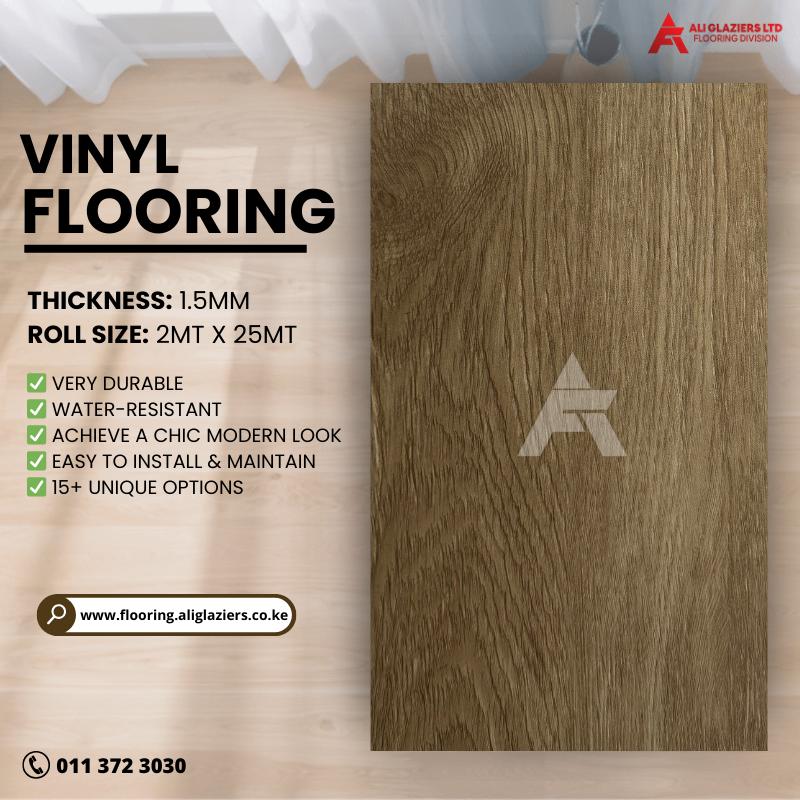
For projects in Kenya, it is important to distinguish between an international product classification and the legal requirements applicable to the specific building. A flooring product having an EN classification does not, by itself, prove that an entire project complies with Kenyan fire-safety requirements.
This guide explains what flooring fire ratings mean, how EN 13501-1 works, what Bfl-s1 means, which commercial flooring products may carry fire classifications and what project teams should check before purchasing or specifying flooring.
What Is a Flooring Fire Rating?
A flooring fire rating describes how a flooring product behaves when exposed to fire under a specified test and classification system. EN 13501-1 classifies construction products according to their reaction to fire, with flooring products using the "fl" subscript classifications.
The phrase "fire rating" can be confusing because it is sometimes used broadly to describe several different properties.
For flooring, one important distinction is between:
- Reaction to fire
- Fire resistance
These are not the same thing.
Reaction to fire considers how a material contributes to fire development. Depending on the classification system and product, this can involve characteristics such as ignitability, flame spread, heat release and smoke production.
Fire resistance, on the other hand, generally concerns how long an element such as a wall, door, floor assembly or structural component can maintain specified performance under fire conditions.
A flooring finish being classified under EN 13501-1 should therefore not automatically be described as a "fire-resistant floor" in the same sense as a fire-resisting structural assembly.
For commercial flooring specifications, reaction-to-fire classification is often the more relevant concept.
What Does EN 13501-1 Mean for Flooring?
EN 13501-1 is a European classification standard for the reaction-to-fire performance of construction products and building elements. Flooring products are classified using a specific set of classes identified with the "fl" designation.
The classification system is designed to provide a consistent way of describing how products perform in specified fire tests.
For flooring, classifications commonly encountered include:
- A1fl
- A2fl-s1
- A2fl-s2
- Bfl-s1
- Bfl-s2
- Cfl-s1
- Cfl-s2
- Dfl-s1
- Dfl-s2
- Efl
- Ffl
The classification generally combines a main reaction-to-fire class with a smoke-production classification where applicable.
The exact testing and classification requirements depend on the product and intended application.
This is why a specification should not simply state "fire rated." It should identify the required performance classification and the evidence needed to demonstrate it.
What Does Bfl-s1 Mean?
Bfl-s1 is a flooring reaction-to-fire classification under EN 13501-1. "Bfl" identifies the main flooring fire-performance class, while "s1" indicates the lower smoke-production category within the applicable classification system.
Breaking down the term makes it easier to understand.
B
The B represents the main reaction-to-fire classification.
For construction products, the European classification system ranges broadly from A1/A2 at the higher end of reaction-to-fire performance through progressively lower classes.
The exact testing criteria behind each class are technical and should not be reduced to a simple statement such as "B means fireproof."
It does not.
fl
The fl suffix means the classification applies to flooring.
This is important because construction products are tested and classified according to their intended application. A classification without understanding the relevant product category can easily be misinterpreted.
s1
The s relates to smoke production.
Within the classification, s1 represents the lower smoke-production category compared with s2.
Therefore, Bfl-s1 communicates more information than simply saying "B-rated flooring."
It indicates both the primary flooring reaction-to-fire class and the applicable smoke category.
Is Bfl-s1 the Best Fire Rating for Flooring?
Bfl-s1 is a strong reaction-to-fire classification commonly encountered in commercial flooring specifications, but it is not automatically the correct or highest requirement for every project. Higher classifications exist, and the required level should come from the applicable project specification and regulatory requirements.
It is tempting to assume that every commercial project should specify Bfl-s1.
That is not necessarily correct.
Different spaces have different fire-safety requirements. A commercial office, hotel corridor, hospital, shopping environment, school, restaurant and industrial facility may have different design considerations.
The project consultant may specify a particular classification based on:
- Building use
- Occupancy
- Escape routes
- Location of the flooring
- Building height
- Fire strategy
- Other interior finishes
- Applicable codes
- Client requirements
- Insurance requirements
- Project standards
Therefore, the correct question is not:
"Is Bfl-s1 the best flooring rating?"
It is:
"What reaction-to-fire classification does this particular project require?"
EN 13501 Flooring Classification Explained
The EN 13501-1 flooring classes provide a structured way to compare reaction-to-fire performance, but the class should always be considered alongside the product's test report, declared performance and intended installation conditions.
A simplified overview is useful for initial specification discussions:
| Flooring classificationGeneral interpretation | |
| A1fl | Very high reaction-to-fire performance |
| A2fl | Very high performance with limited contribution to fire |
| Bfl | Very limited contribution to fire |
| Cfl | Limited contribution to fire |
| Dfl | Higher contribution to fire than the classes above |
| Efl | Basic reaction-to-fire performance |
| Ffl | Performance not determined or lowest classification |
The table is intentionally simplified.
EN 13501-1 classifications are based on specific test methods and criteria. They should not be interpreted as a universal ranking of "safe" versus "unsafe" flooring.
The smoke suffix provides additional information where applicable:
- s1 — lower smoke production category
- s2 — higher smoke production category
The full classification should therefore be considered, rather than looking only at the letter.
Why Smoke Production Matters in Commercial Buildings
Smoke is an important consideration in fire safety because it can affect visibility, evacuation and the conditions experienced by occupants. This is why some commercial flooring specifications include both the main fire classification and a smoke-production classification.
When people think about flooring fires, they may focus entirely on whether the material ignites.
Fire safety is more complicated.
During a building fire, smoke can affect:
- Visibility
- Evacuation routes
- Occupant movement
- Firefighter operations
- Indoor air conditions
- Detection and response
For this reason, a specification requesting Bfl-s1 is communicating more than a requirement for a particular reaction-to-fire class.
It is also placing importance on smoke production within the applicable classification system.
This can be particularly relevant in enclosed commercial environments where many occupants may need to evacuate through shared corridors or exits.
Which Commercial Flooring Products Can Have Fire Classifications?
Commercial flooring products such as vinyl, carpet, carpet tiles and other resilient flooring systems may be supplied with documented reaction-to-fire classifications, but the classification belongs to the tested product and configuration rather than simply to the generic flooring material.
It is a mistake to assume:
"All vinyl is Bfl-s1."
Or:
"All carpet is Bfl-s1."
The actual classification depends on the specific product and test configuration.
Factors can include:
- Product construction
- Backing
- Thickness
- Surface finish
- Adhesive
- Underlay
- Installation method
- Substrate
- Test configuration
This means two products made from similar materials can have different fire classifications.
For commercial procurement, always request evidence for the exact product being supplied.
Fire Ratings for Vinyl Flooring
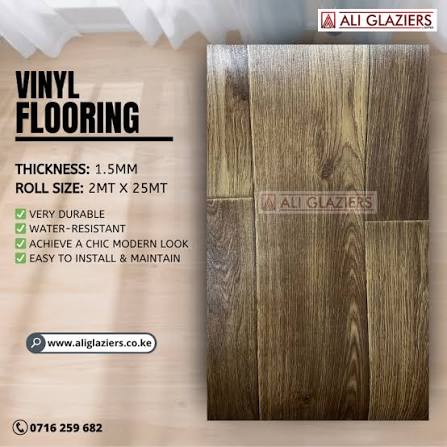
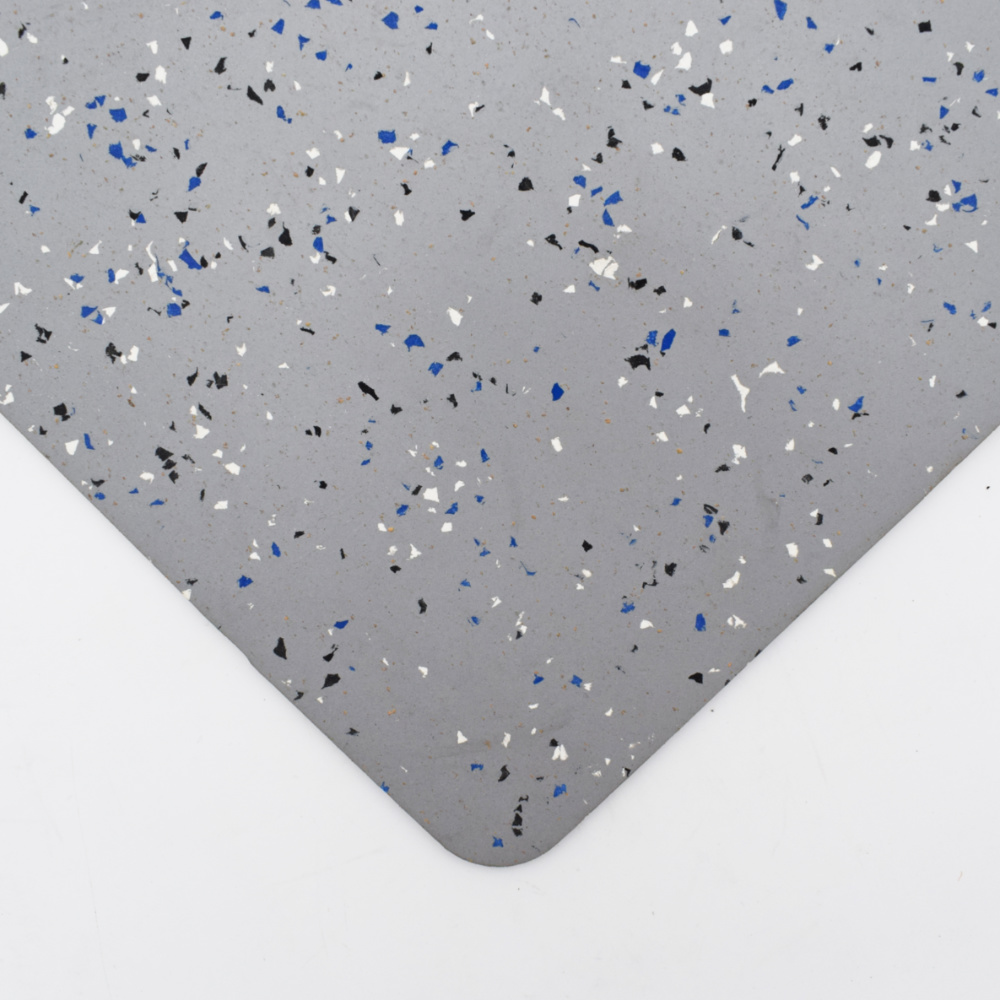
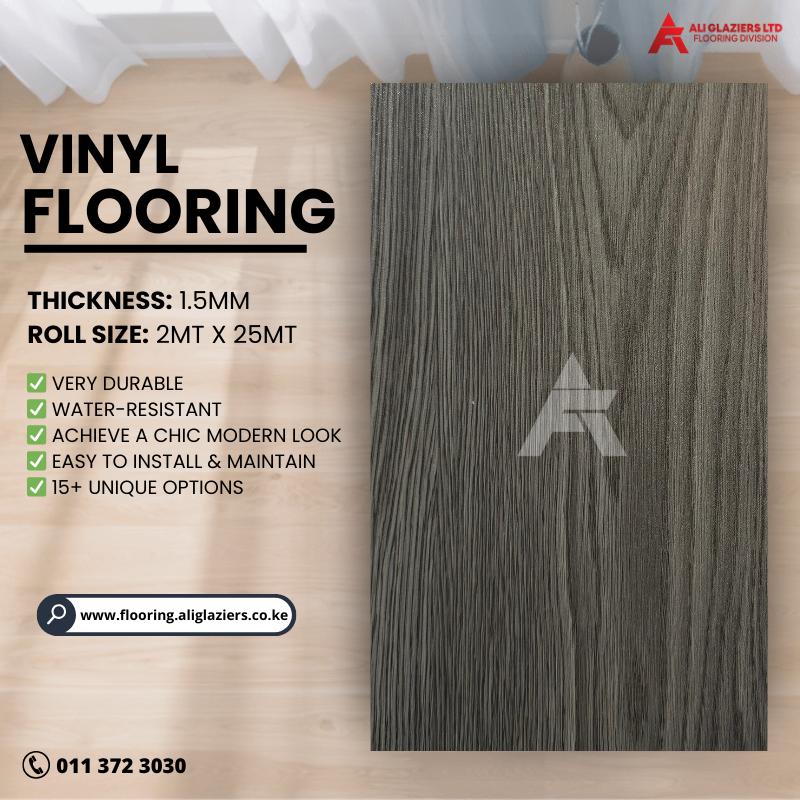
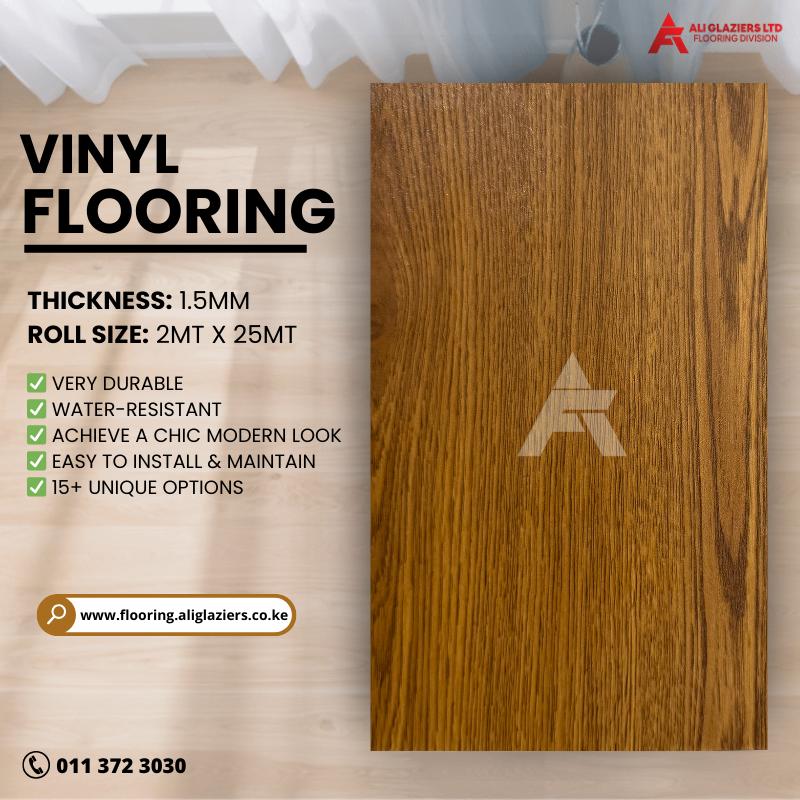
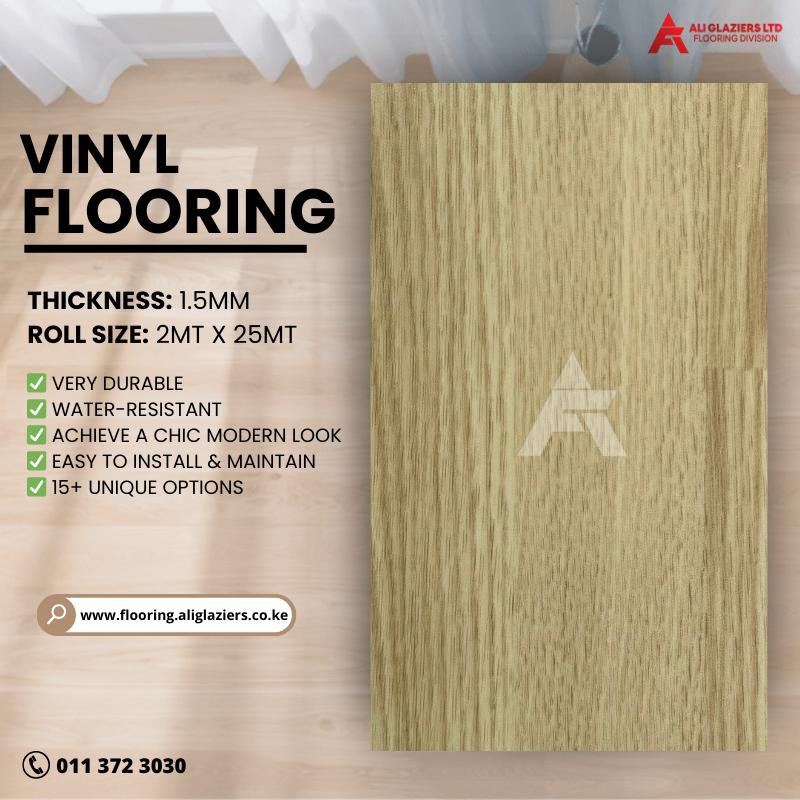
Vinyl flooring can be available with documented reaction-to-fire classifications, making it a common option for commercial interiors where durability, cleaning and specification requirements must be considered together. The actual classification should be confirmed from the manufacturer's technical documentation.
Vinyl is widely used in commercial environments because it can provide practical maintenance characteristics while supporting a wide range of design styles.
Potential applications include:
- Offices
- Retail spaces
- Healthcare environments
- Educational buildings
- Hospitality spaces
- Corridors
- Reception areas
- Commercial kitchens and service areas where the selected product is suitable
However, "vinyl flooring" is a category rather than a single product.
A project team should request the technical documentation for the exact vinyl product under consideration.
If fire classification is important, ask for:
- Reaction-to-fire classification
- Test standard
- Test report or certificate
- Installation conditions
- Adhesive requirements
- Substrate conditions
- Product identification
You can explore the vinyl flooring collection when comparing flooring options for commercial and residential applications.
Fire Ratings for SPC Flooring
SPC flooring should not be assigned a generic fire classification simply because it has a stone-polymer core. The fire performance of the specific product and complete installation system should be verified from manufacturer documentation.
SPC, or Stone Plastic Composite, is increasingly considered for homes, offices, retail environments and other spaces because of its rigid construction and practical maintenance characteristics.
But fire performance should remain a separate specification consideration.
When evaluating SPC for a commercial project, ask for documentation covering:
- Reaction-to-fire classification
- Applicable testing standard
- Product construction
- Installation method
- Underlay requirements
- Adhesive, if applicable
- Substrate requirements
A product specification that says "fire rated SPC" without identifying the actual classification is incomplete for a detailed commercial procurement process.
For background, see SPC flooring in Kenya and the guide to SPC flooring as a heavy-duty flooring solution.
Fire Ratings for Carpet and Carpet Tiles
Carpet and carpet tiles can have documented reaction-to-fire classifications, but the backing, construction, adhesive and installation system can affect the final tested performance. Commercial carpet should therefore be selected using the manufacturer's technical documentation rather than appearance or fibre type alone.
Carpet remains popular in offices, hotels, conference rooms and hospitality environments because it can provide acoustic and visual benefits.
However, commercial carpet specifications can be more demanding than residential carpet specifications.
A consultant may request:
- Reaction-to-fire classification
- Smoke classification
- Wear classification
- Acoustic performance
- Dimensional stability
- Slip-related information where relevant
- Cleaning requirements
- Warranty information
For carpet tiles, the installation adhesive can also form part of the overall system being considered.
Ali Glaziers Flooring Solutions offers Egyptian carpets and related carpet products for different interior applications.
Does the Flooring Alone Determine Fire Safety?
No. Flooring is only one component of a building's overall fire-safety strategy. A compliant flooring classification cannot compensate for inadequate exits, fire detection, compartmentation, suppression systems or other deficiencies in the building.
This distinction is essential.
A building's fire safety can involve:
- Structural fire resistance
- Compartmentation
- Fire doors
- Emergency exits
- Escape routes
- Fire detection
- Alarm systems
- Emergency lighting
- Firefighting equipment
- Smoke control
- Electrical safety
- Interior finishes
- Occupancy management
Flooring is only one part of this larger system.
A specification requiring Bfl-s1 does not mean that installing Bfl-s1 flooring makes the building "fire safe."
It simply addresses the relevant reaction-to-fire performance of the flooring product within the applicable classification framework.
What Should Kenyan Commercial Projects Ask for?
Kenyan commercial fit-outs should begin with the project's approved fire-safety, architectural and material specifications and confirm which flooring performance documents are required. Where EN 13501-1 is specified, procurement teams should obtain documentation showing the classification of the exact product being supplied.
A useful procurement checklist includes:
- Product technical datasheet
- Reaction-to-fire classification
- Test standard
- Test report or certificate where required
- Product identification
- Installation method
- Adhesive requirements
- Substrate requirements
- Manufacturer's declaration or performance documentation
- Relevant project approvals
Do not accept a generic statement such as "fire resistant" when the project specification calls for a recognised classification.
Ask for the actual evidence.
How Architects and Contractors Should Specify Commercial Flooring
A good flooring specification should identify the required performance level rather than relying on vague terms such as "fireproof" or "fire rated." It should also identify the relevant standard, product type, installation conditions and documentation required during approval.
A specification might need to establish:
- Flooring type
- Intended location
- Required reaction-to-fire classification
- Smoke classification
- Relevant test standard
- Approved products
- Installation method
- Adhesive requirements
- Subfloor requirements
- Required certificates
- Sample approval process
This reduces ambiguity during procurement.
It also helps prevent situations where a contractor purchases an attractive and affordable product only to discover later that it does not satisfy the project's material specification.
Why Product Documentation Matters
The manufacturer's technical documentation is more reliable than marketing language when assessing flooring fire performance. Product datasheets, declarations, test reports and certification documents can show exactly what has been tested and under which conditions.
When reviewing documentation, check that:
- The product name matches the product being purchased.
- The classification is clearly stated.
- The relevant standard is identified.
- The test relates to the intended application.
- The installation conditions are understood.
- Any limitations are identified.
- The documentation comes from a credible manufacturer or testing organisation.
A certificate for one product should not automatically be applied to another product from the same manufacturer.
Similarly, a classification obtained with a particular adhesive or substrate may not automatically apply to every installation configuration.
Can Installation Affect the Fire Classification?
Yes, installation can matter because the tested configuration may include specific substrates, adhesives, underlays or other components. The product should therefore be installed in accordance with the conditions under which its documented performance applies.
This is particularly important for commercial flooring.
For example, changing:
- Adhesive
- Underlay
- Substrate
- Installation method
- Product thickness
may affect the system being evaluated.
That does not mean every installation change automatically invalidates a classification. It means project teams should avoid assuming that a test result applies universally without checking the manufacturer's documentation.
This is one reason professional installation can be valuable for specification-driven commercial projects.
Fire Classification vs Flame Retardant Claims
"Flame retardant" and "fire rated" are not substitutes for a documented EN 13501-1 classification. Commercial buyers should focus on the specific performance evidence requested by the project rather than relying on broad marketing descriptions.
Marketing terms can be useful for initial product screening, but they should not replace technical documentation.
If a consultant requests:
Bfl-s1 according to EN 13501-1
the supplier should be able to provide documentation supporting that requirement.
A statement such as "our flooring has excellent fire resistance" does not provide the same level of information.
The technical classification is what allows the project team to compare products against a defined requirement.
Does Every Commercial Flooring Project Need Bfl-s1?
No. Bfl-s1 should not be treated as a universal requirement for every commercial floor in Kenya. The appropriate performance level depends on the project's applicable regulations, fire strategy, building use and consultant or client specification.
A small office fit-out may have different requirements from:
- A hospital
- A hotel
- A school
- A shopping centre
- A high-rise building
- An industrial facility
- A public assembly space
The location of the flooring within the building can also matter.
For example, a public circulation area may have different design considerations from a private office.
This is why flooring selection should happen alongside the wider architectural and fire-safety design rather than as an isolated purchasing decision.
Flooring Fire Ratings and the Kenyan Building Approval Process
An EN 13501-1 classification is an international product-performance reference and should be considered alongside applicable Kenyan building, fire-safety and project requirements. Where compliance is critical, the project team should confirm the required documentation with the relevant consultant and approving authorities.
Kenyan projects can involve several layers of requirements, including:
- Building regulations
- Fire-safety requirements
- Project specifications
- County approval requirements
- Consultant requirements
- Client standards
- Insurance requirements
- Manufacturer specifications
The exact requirements can vary according to the building and project.
For this reason, suppliers should avoid presenting a European classification as a blanket guarantee of Kenyan regulatory compliance.
Instead, the correct approach is to identify the project requirement and then confirm that the proposed flooring product provides the required evidence.
Why Commercial Flooring Specifications Should Be Agreed Early
Fire-performance requirements should ideally be established before flooring is purchased. Early specification avoids expensive substitutions when a selected product fails to meet a project's documentation or performance requirements.
Changing flooring late in a project can cause:
- Procurement delays
- Additional material costs
- Installation delays
- Design changes
- Colour or batch availability problems
- Consultant rejection
- Programme disruption
This is especially problematic when the floor is being installed shortly before practical completion.
Architects, contractors and developers should therefore establish flooring requirements during material selection rather than waiting until procurement.
Common Mistakes When Buying Fire-Rated Flooring
The most common mistake is treating a generic fire claim as proof of a specific EN classification. Other problems include checking the wrong product, ignoring installation conditions and failing to obtain documentation before purchasing.
Avoid these mistakes:
Mistake 1: Assuming all flooring has the same classification
Different products perform differently.
Mistake 2: Buying based on the phrase "fire resistant"
Ask for the actual classification.
Mistake 3: Checking the classification after purchase
Confirm compliance before placing the order.
Mistake 4: Ignoring installation conditions
Check whether the classification applies to the proposed installation system.
Mistake 5: Using a certificate for another product
Ensure the documentation matches the exact product.
Mistake 6: Treating EN 13501-1 as the entire fire-safety requirement
The building still needs an appropriate overall fire-safety strategy.
How to Choose Commercial Flooring Beyond Fire Performance
Fire performance is important, but it should be considered alongside durability, maintenance, slip resistance where applicable, moisture exposure, acoustic performance, appearance, installation requirements and total lifecycle cost.
For example, an office floor may need to balance:
- Fire performance
- Heavy foot traffic
- Chair movement
- Cleaning
- Acoustic comfort
- Appearance
- Replacement practicality
A hotel may additionally prioritise:
- Guest comfort
- Design
- Acoustic performance
- Stain resistance
- Maintenance
- Corridor durability
A retail environment may prioritise:
- Heavy traffic
- Cleaning
- Visual presentation
- Impact resistance
- Maintenance downtime
The right flooring specification therefore considers the whole application.
Where to Buy Commercial Flooring in Nairobi
Ali Glaziers Flooring Solutions offers a range of flooring products for residential and commercial projects, with options including SPC, vinyl, laminated wood, Egyptian carpets and artificial turf. Commercial buyers can discuss their project requirements before selecting a flooring product and installation approach.
You can explore the Ali Glaziers Flooring Solutions shop and browse relevant product categories before requesting advice.
For commercial flooring, you can also review:
For projects with specific fire-performance requirements, provide the supplier with the consultant's specification so that the proposed product can be assessed against the required classification.
Final Takeaway: What EN 13501 Means for Commercial Flooring
EN 13501-1 provides a recognised framework for classifying the reaction-to-fire performance of construction products, including flooring. Bfl-s1 is a specific flooring classification indicating a B-class reaction-to-fire performance together with the lower smoke-production category, but it should not be treated as a universal requirement or guarantee of complete building fire safety.
For commercial flooring projects in Kenya, the safest approach is specification-first.
Before purchasing, establish:
- What type of flooring is required?
- Where will it be installed?
- What reaction-to-fire classification does the project require?
- Does the exact product have documented performance?
- Does the classification apply to the proposed installation system?
- What other fire-safety requirements apply to the building?
- Has the product been approved by the relevant project consultant?
Once these questions are answered, flooring selection becomes much more straightforward.
For homeowners, contractors, architects, developers and commercial fit-out teams looking for flooring solutions in Nairobi and across Kenya, Ali Glaziers Flooring Solutions can help you explore suitable flooring materials and discuss project requirements.
Request Flooring Advice or a Quote
Visit the Ali Glaziers Flooring Solutions contact page to discuss your project.
Visit Us: Funzi Road Branch, End of Funzi Road, Industrial Area, Ali Glaziers LTD Building, Nairobi, Kenya
Call / WhatsApp: +254 (0) 716 259 682, +254 (0) 722 522 452
Email: info@aliglaziers.com
Shop Online: flooring.aliglaziers.com/shop
Request a Quote: Contact Ali Glaziers Flooring Solutions
Choose flooring based not only on how it looks, but also on performance, documentation, installation requirements and the demands of the building where it will be used.