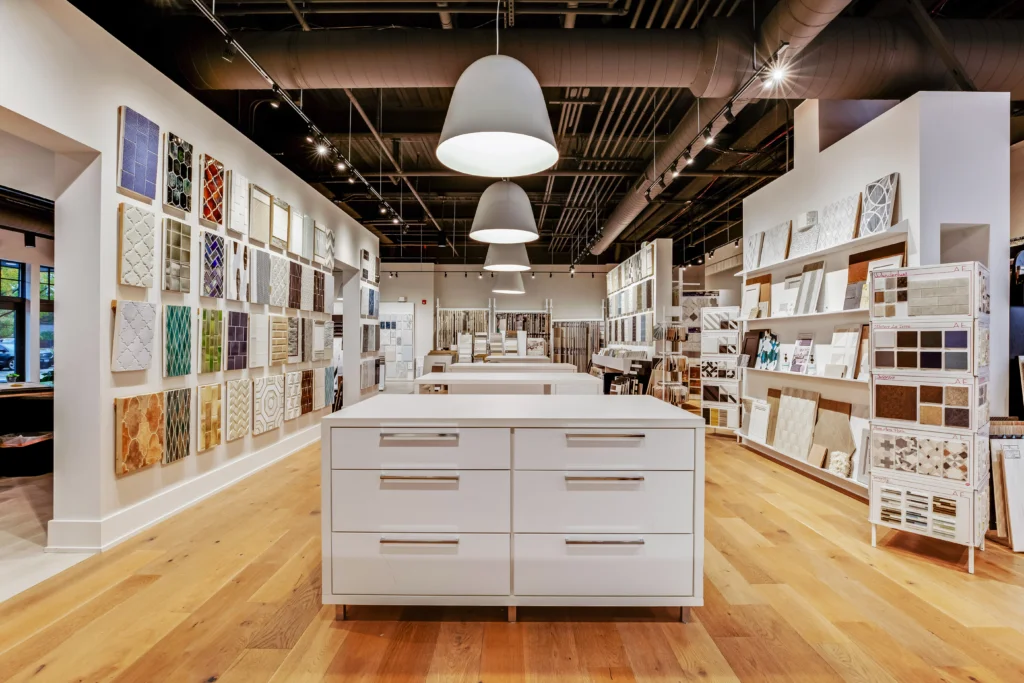
Boutique Showroom Flooring Kenya can elevate retail interiors. Discover luxury stone effects, wide-plank wood looks, SPC, vinyl, and premium finishes.
Boutique Showroom Flooring Kenya: Why the Floor Matters
Boutique Showroom Flooring Kenya can influence how customers perceive a retail space before they interact with a single product. The right combination of colour, texture, pattern, durability, and lighting can create a polished environment that complements premium merchandise.
A boutique showroom is designed to do more than display products.
It creates an experience.
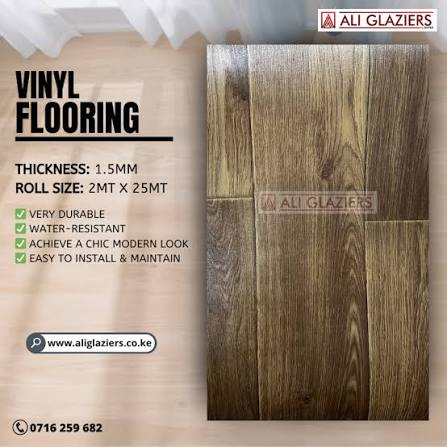
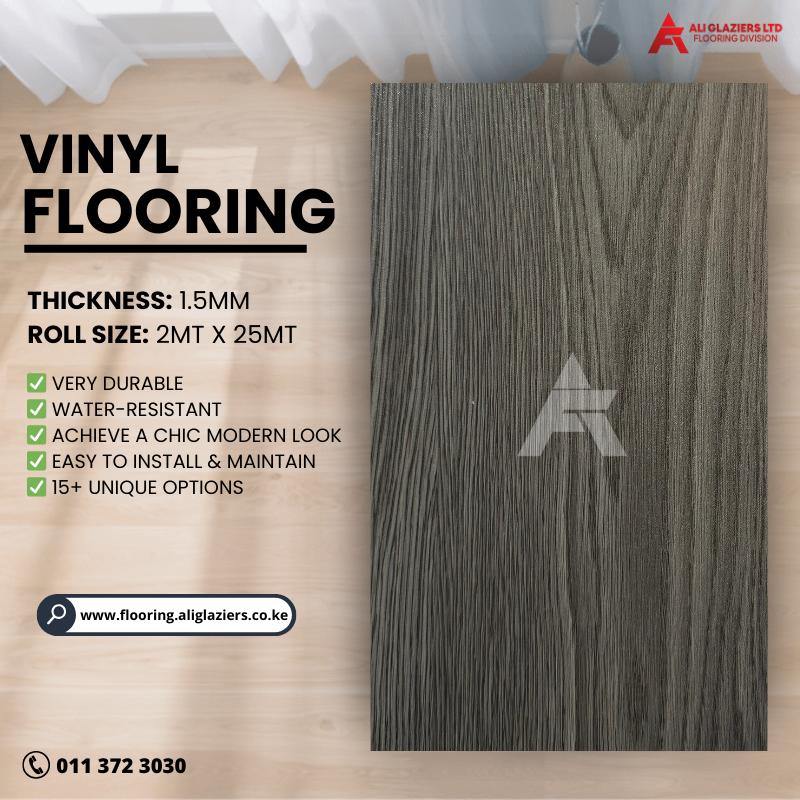
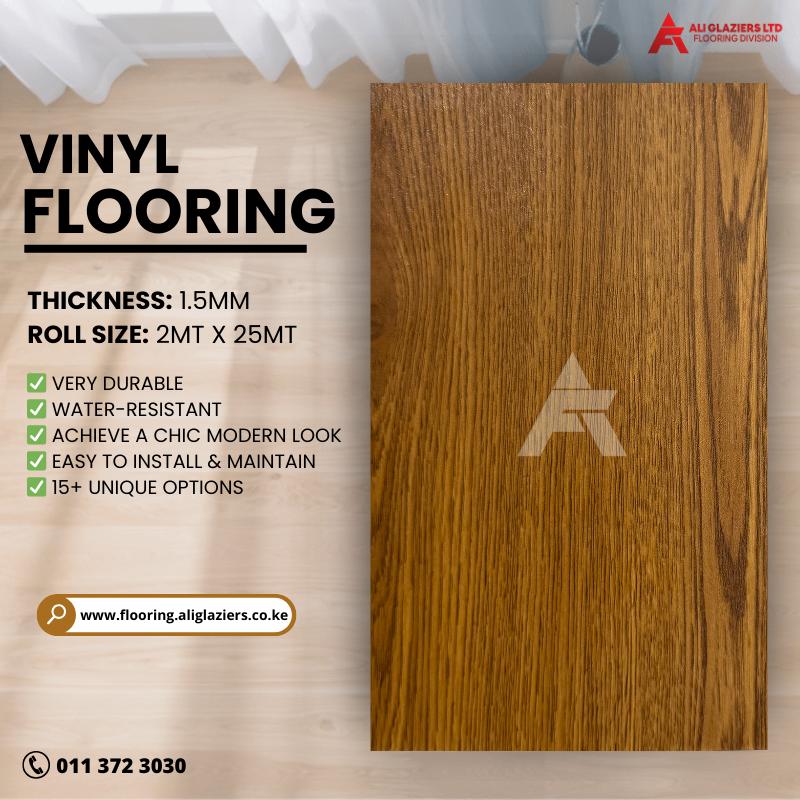
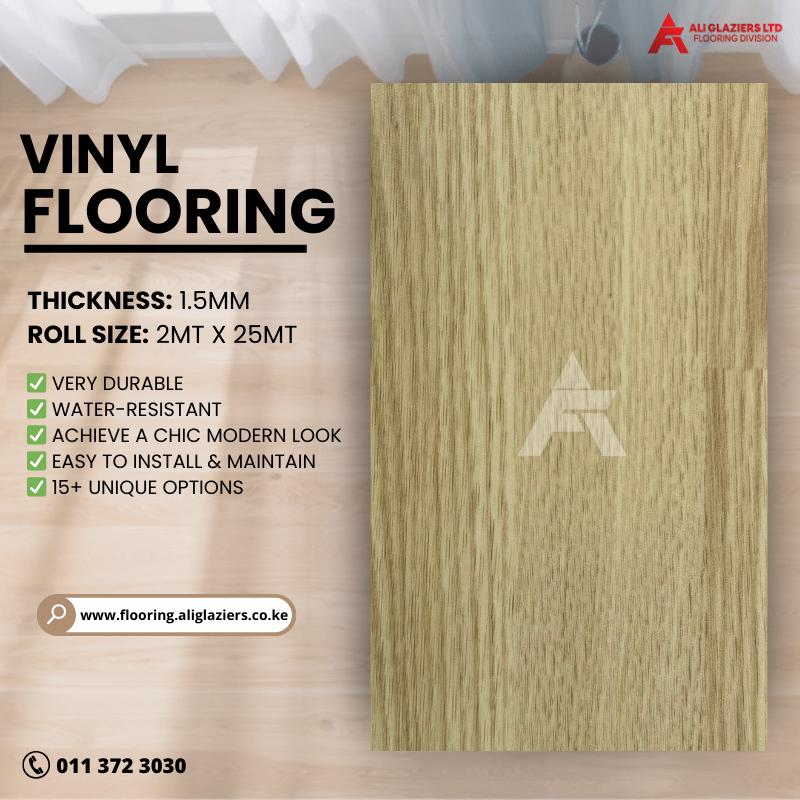
Shop Vinyl Flooring
View all Vinyl Flooring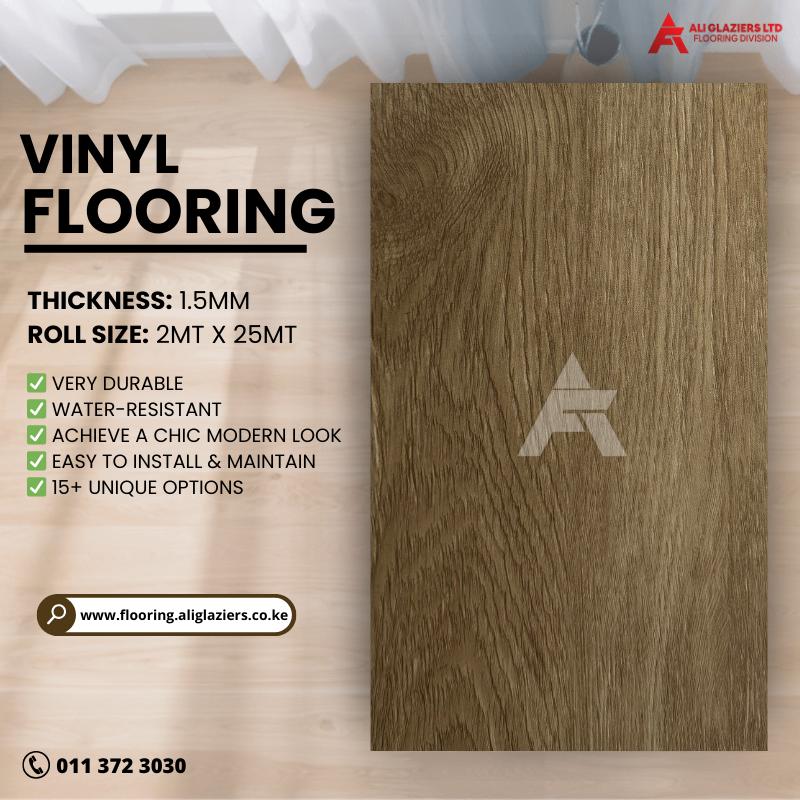
When customers walk through the entrance, they immediately see:
- The floor
- Walls
- Lighting
- Displays
- Furniture
- Product presentation
Every element contributes to the atmosphere.
For fashion boutiques, furniture showrooms, beauty stores, jewellery retailers, and premium lifestyle brands, flooring can become part of the visual identity of the business.
A poorly selected floor can make expensive products appear less impressive.
A carefully selected floor can provide the neutral, sophisticated background that allows merchandise to take centre stage.
What Makes a Boutique Floor Look Premium?
Premium showroom flooring is usually the result of coordinated design rather than a single expensive material. Colour, scale, surface texture, installation pattern, and lighting all influence the finished appearance.
Important considerations include:
- Colour
- Pattern
- Surface finish
- Board or tile size
- Installation direction
- Lighting
- Furniture
- Brand identity
A luxury fashion boutique might use large-format stone effects.
A clothing showroom may favour wide-plank wood designs.
A jewellery store could use a refined neutral floor that allows display cabinets to dominate visually.
High-Gloss Stone Effects for Showrooms
Stone-inspired flooring can create a sophisticated showroom environment by introducing the visual character of marble, limestone, or other architectural surfaces.
High-gloss effects can reflect artificial and natural light, helping create a brighter visual environment.
Potential designs include:
- White marble effects
- Dark stone
- Grey marble
- Beige limestone
- Contemporary concrete effects
These designs can work particularly well in:
- Fashion boutiques
- Jewellery stores
- Beauty showrooms
- Luxury furniture stores
However, high-gloss surfaces should be selected carefully because reflections and visible marks can affect maintenance requirements.
Wide-Plank Wood Effects
Wide-plank wood-look flooring can create warmth and visual continuity while giving boutique interiors a contemporary architectural appearance.
Compared with narrow boards, wide planks can create a more open visual effect.
Popular styles include:
- Natural oak
- Light wood
- Walnut effects
- Grey timber
- Rustic wood
- Modern minimalist finishes
Wide-plank flooring can complement:
- Clothing racks
- Timber shelving
- Leather furniture
- Brass details
- Neutral walls
SPC Flooring for Boutique Showrooms
SPC flooring can combine decorative wood and stone effects with a rigid construction that suits many commercial interiors.
Modern SPC collections can reproduce realistic:
- Timber grain
- Stone textures
- Marble patterns
- Contemporary colours
This makes SPC useful when the showroom needs a premium visual effect combined with practical everyday performance.
Potential applications include:
- Fashion stores
- Furniture showrooms
- Corporate display spaces
- Beauty businesses
- Retail boutiques
Explore:
Why Commercial Traffic Matters
A boutique showroom may look calm and exclusive, but its floor can still experience substantial traffic throughout the day.
Customers may:
- Walk repeatedly across the entrance
- Move between displays
- Try on products
- Carry shopping bags
- Move furniture
- Track dust and grit indoors
This means flooring should be selected according to the expected traffic level rather than appearance alone.
Ask about:
- Wear-layer specification
- Commercial suitability
- Maintenance requirements
- Warranty
- Installation recommendations
Choosing the Right Flooring for Fashion Boutiques
Fashion boutiques generally benefit from flooring that provides an elegant backdrop without competing with clothing, accessories, and visual merchandising.
For minimalist fashion stores, consider:
- Light oak
- Pale stone
- Soft grey
- Neutral concrete
For luxury fashion:
- Dark wood
- Marble effects
- Herringbone patterns
- Rich neutral colours
The flooring should support the brand's visual identity.
Flooring for Jewellery Showrooms
Jewellery stores require flooring that supports an elegant atmosphere while allowing display cabinets and products to remain the visual focus.
Potential choices include:
- Marble-look flooring
- Neutral stone effects
- Premium vinyl
- High-quality SPC
Reflective flooring can work with carefully designed lighting, but excessive glare should be avoided.
A showroom designer should consider how spotlights, display cases, and the floor interact.
Flooring for Furniture Showrooms
Furniture showrooms need versatile flooring because customers must be able to see how different furniture styles work within a realistic interior setting.
Wood-look flooring can provide a residential atmosphere.
Stone effects can create a contemporary showroom.
Neutral flooring can allow:
- Sofas
- Dining tables
- Beds
- Cabinets
to become the dominant visual elements.
Flooring for Beauty and Cosmetics Stores
Beauty stores often benefit from clean, contemporary flooring that reinforces a hygienic and premium brand image.
Suitable design directions can include:
- Light marble effects
- Neutral stone
- Light wood
- Contemporary vinyl
- Minimalist SPC
The flooring should also be practical because beauty retail environments can experience frequent customer movement and product handling.
The Importance of Flooring Colour
Floor colour affects the visual balance of a showroom and should be selected according to the room's size, lighting, ceiling height, furniture, and brand palette.
Light flooring
Can make smaller spaces feel brighter and more open.
Medium wood
Creates warmth while remaining versatile.
Dark flooring
Can create a dramatic luxury atmosphere but requires careful lighting.
Grey flooring
Works well with contemporary interiors.
Stone effects
Can introduce an architectural and premium appearance.
Matching Flooring With Showroom Lighting
Lighting and flooring should be designed together because surface finishes can look significantly different under natural and artificial light.
Consider:
- Daylight
- Spotlights
- LED lighting
- Pendant lights
- Display lighting
A glossy floor may reflect overhead lights.
A heavily textured surface may create shadows.
A warm wood floor may appear different under cool white LEDs compared with warm lighting.
For this reason, request a physical sample and inspect it under the actual showroom lighting where possible.
Why Physical Samples Matter
A physical sample provides a more reliable representation of colour, texture, thickness, and surface finish than a digital image viewed on a phone or computer.
Before ordering, compare samples against:
- Wall colours
- Furniture
- Display units
- Lighting
- Branding
A sample can also help identify:
- Surface texture
- Pattern scale
- Edge construction
- Colour variation
This is particularly important for premium retail environments where small design inconsistencies can become visually obvious across a large floor.
Herringbone Flooring for Boutique Interiors
Herringbone flooring introduces a repeating geometric pattern that can give a boutique showroom a distinctive architectural character.
Instead of installing boards in a straight parallel arrangement, herringbone places rectangular boards at angles to create a V-shaped pattern.
This can work particularly well in:
- Fashion boutiques
- Luxury clothing stores
- Reception areas
- Jewellery shops
- Designer furniture showrooms
A herringbone pattern can become a design feature without requiring additional decoration on the floor.
Herringbone vs Chevron Flooring
Herringbone and chevron can appear similar but create different visual effects because of how the individual boards meet.
Herringbone typically creates a broken zigzag pattern.
Chevron creates a continuous V-shaped appearance.
The choice depends on the architectural style of the showroom.
For a traditional luxury aesthetic, herringbone can work well.
For a sharper contemporary appearance, chevron-inspired designs may be preferred.
Always confirm that the selected product is specifically designed for the intended installation pattern.
Vinyl Flooring for Boutique Showrooms
Luxury vinyl can provide realistic wood and stone designs while offering a practical surface for many retail environments.
Modern vinyl flooring can reproduce:
- Timber grain
- Marble
- Concrete
- Slate
- Natural stone
This allows retailers to achieve different visual styles without necessarily using natural materials throughout the showroom.
Vinyl can also be useful when the priority is straightforward routine maintenance.
Explore:
Laminate Flooring for Retail Interiors
Laminate flooring can provide realistic wood-inspired designs and may be suitable for selected commercial interiors when the product specification matches the expected traffic.
For boutique applications, consider:
- Surface durability
- AC rating
- Thickness
- Installation method
- Maintenance requirements
An AC4-rated product, for example, is designed for higher levels of use than products intended solely for lighter residential applications.
However, the rating should be considered alongside the manufacturer's complete technical specifications.
Why the Wear Layer Matters in Retail
The wear layer is particularly important for flooring products that use a layered construction because it protects the decorative surface from everyday abrasion.
A busy showroom may experience:
- Continuous foot traffic
- Shopping trolley movement
- Furniture movement
- Cleaning
- Grit from outside
Ask the flooring supplier to explain the product's wear-layer specification and recommended application.
Avoid relying solely on terms such as "commercial grade" without checking the technical documentation.
Flooring at the Showroom Entrance
The entrance is often one of the highest-traffic areas in a retail store and should receive special consideration during flooring selection.
Outdoor dirt can introduce:
- Sand
- Dust
- Small stones
- Moisture
These particles can increase surface abrasion.
A well-designed entrance can include:
- Quality entrance mats
- Appropriate transition profiles
- Flooring suited to the expected traffic
Regular cleaning also helps protect the showroom floor.
Maintaining a Boutique Showroom Floor
A premium showroom floor requires consistent maintenance because dust, marks, and spills can quickly affect the appearance of an otherwise carefully designed interior.
A practical maintenance programme may include:
Daily
- Sweep or vacuum
- Remove visible debris
- Address spills promptly
Weekly
- Thorough cleaning
- Inspect high-traffic areas
- Check transitions
Periodically
- Deep-clean carpets where applicable
- Inspect damaged boards or tiles
- Review entrance areas
The specific cleaning products should always follow the manufacturer's recommendations.
Protecting Flooring From Furniture
Retail furniture and display equipment can create concentrated pressure on flooring, so display units should be positioned and moved carefully.
Examples include:
- Clothing racks
- Display cabinets
- Shelving
- Mirrors
- Counters
- Seating
Use suitable protective pads where recommended.
When rearranging the showroom, avoid dragging heavy furniture across the floor.
Flooring and Customer Experience
Flooring contributes to the atmosphere customers experience when they enter, browse, and interact with products.
A premium showroom should feel:
- Comfortable
- Organised
- Clean
- Cohesive
- Professional
Flooring can support this experience by creating visual continuity between different areas.
For example, a wood-look floor can make a fashion boutique feel warmer.
A stone effect can create a sleek luxury atmosphere.
Carpet can introduce softness and acoustic comfort.
Creating Visual Flow With Flooring
Consistent flooring can make a showroom feel more connected, while carefully planned transitions can define different zones without making the space feel fragmented.
For example:
Entrance: Stone-effect flooring
Main display: Wide-plank wood effect
Fitting rooms: Carpet
Cashier: Durable commercial flooring
The colours should complement each other.
Large differences in tone can make a small showroom appear visually divided.
Small Boutique Flooring Design
Smaller boutiques often benefit from flooring designs that create visual continuity rather than excessive patterns and colour changes.
Useful approaches include:
- Wider boards
- Light colours
- Continuous installation
- Minimal transitions
- Subtle textures
A consistent floor can help the space feel larger.
However, very glossy flooring should be evaluated carefully because strong reflections can affect both appearance and customer comfort.
Large Showroom Flooring Design
Large showrooms provide more opportunities to use flooring patterns and material changes to create distinct customer zones.
Designers can use:
- Herringbone patterns
- Wide planks
- Stone effects
- Carpet sections
- Contrasting borders
For a large project, the layout should be planned before ordering materials.
This helps avoid unnecessary waste and ensures patterns align correctly.
Professional Site Measurement
Accurate site measurement is essential when ordering flooring for a boutique because display layouts, irregular walls, columns, entrances, and pattern requirements can affect material quantities.
A professional measurement should account for:
- Total floor area
- Room shape
- Columns
- Doorways
- Fitting rooms
- Storage areas
- Pattern direction
- Waste allowance
This is particularly important when installing herringbone or other patterned floors.
Read:
Why professional site measurement matters for flooring
Planning Flooring Waste
Ordering the exact measured floor area without an appropriate allowance can create problems when boards need to be cut around corners, entrances, columns, or other architectural features.
Waste depends on:
- Room shape
- Installation pattern
- Product dimensions
- Installer technique
- Number of rooms
Straight installations may have different waste requirements from herringbone or other patterned layouts.
A flooring professional can help calculate the appropriate quantity.
Budgeting for Boutique Flooring
The right showroom floor should balance visual quality with the total project budget, including preparation, installation, accessories, and maintenance.
The total cost can include:
- Flooring
- Underlay
- Adhesives
- Profiles
- Skirting
- Subfloor preparation
- Installation
- Delivery
- Wastage
Instead of asking only:
"How much is the flooring per square metre?"
also ask:
"What is the total installed cost?"
This gives a more useful comparison between products.
Common Boutique Flooring Mistakes
A luxury showroom can lose some of its visual impact when flooring is selected without considering traffic, lighting, installation, and the surrounding interior.
Common mistakes include:
Choosing flooring from photographs alone
Colours can look different on screens.
Ignoring lighting
Gloss, texture, and colour can change significantly under showroom lighting.
Choosing a residential product for heavy retail traffic
The specification should match expected use.
Ordering before measuring the site
This can create shortages or unnecessary waste.
Ignoring transitions
Different flooring materials need properly planned connections.
Focusing only on initial price
Maintenance and installation also affect the overall project cost.
Sustainable Flooring Considerations
Boutique retailers can consider durability, maintenance, and product information when evaluating the environmental impact of their flooring choices.
A durable product that remains attractive for many years may reduce the need for frequent replacement.
When comparing products, ask about:
- Product composition
- Expected service life
- Maintenance requirements
- Repair options
- Manufacturing information
- Available environmental certifications
Where environmental credentials are important to the brand, request supporting documentation rather than relying solely on general marketing claims.
Why Choose Ali Glaziers for Boutique Flooring?
Ali Glaziers Flooring Solutions offers flooring products suitable for residential, commercial, retail, hospitality, and other interior projects.
The range includes:
- SPC flooring
- Vinyl flooring
- Laminate flooring
- Carpets
- Artificial turf
- Flooring accessories
Explore the:
For carpet requirements:
The right product can then be selected according to the showroom's:
- Traffic
- Design
- Maintenance requirements
- Budget
- Installation conditions
Final Thoughts on Boutique Showroom Flooring
Boutique showroom flooring should create a premium visual environment while providing the durability and practicality required by a commercial retail space.
High-gloss stone effects can create a dramatic luxury atmosphere.
Wide-plank wood designs can add warmth and sophistication.
Herringbone patterns can introduce architectural character.
SPC and vinyl can provide contemporary alternatives for wood and stone aesthetics.
Carpet can add softness and acoustic comfort to selected areas.
The best choice depends on the showroom's individual requirements.
Before purchasing, consider:
- The brand identity
- Expected customer traffic
- Lighting conditions
- Furniture and displays
- Cleaning requirements
- Product specifications
- Installation method
- Total project cost
A premium showroom floor is ultimately an investment in the customer's experience.
When the flooring, lighting, displays, furniture, and branding work together, even a relatively simple retail space can feel carefully designed and highly sophisticated.
Contact Ali Glaziers Flooring Solutions
Planning a boutique, fashion showroom, furniture store, beauty shop, or other premium retail interior? Ali Glaziers Flooring Solutions can help you explore flooring options based on your design, traffic, and installation requirements.
Visit: Funzi Road Branch, End of Funzi Road, Industrial Area, Ali Glaziers LTD Building, Nairobi, Kenya
Call / WhatsApp: +254 (0) 716 259 682, +254 (0) 722 522 452
Email: info@aliglaziers.com
Shop Online: Ali Glaziers Flooring Shop
Explore: Ali Glaziers Flooring Solutions