
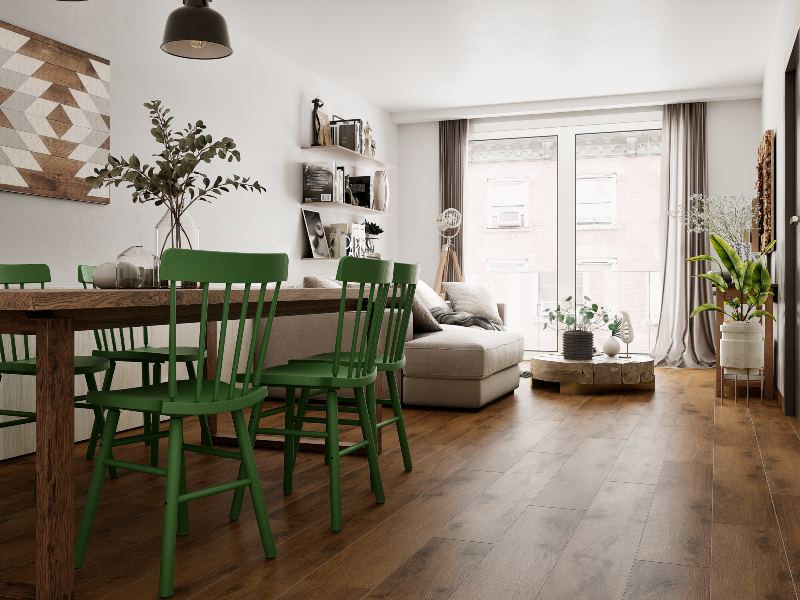
Follow an AC4 Laminate Floor Care Kenya checklist using microfiber tools, dry cleaning and suitable pH-neutral products to protect your floors.
AC4 Laminate Floor Care Kenya: A Practical Maintenance Checklist
AC4 Laminate Floor Care Kenya starts with simple, consistent habits that prevent grit, moisture and unsuitable cleaning products from damaging the surface. Regular dry cleaning, prompt spill removal, suitable microfiber tools and manufacturer-approved cleaners can help preserve the appearance of laminate flooring for longer.
AC4-rated laminate flooring is designed for demanding residential and commercial applications, but its durability does not mean it can be neglected.
Like any finished floor, laminate needs appropriate care.
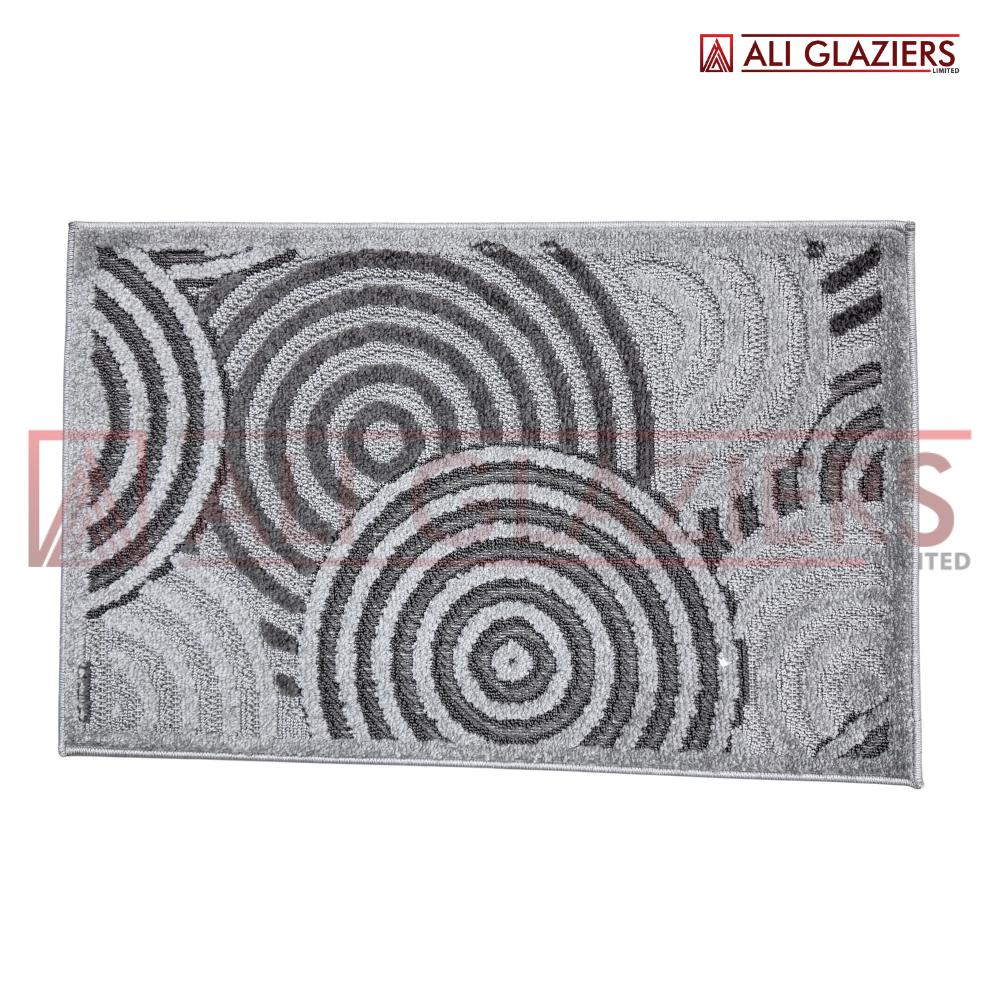
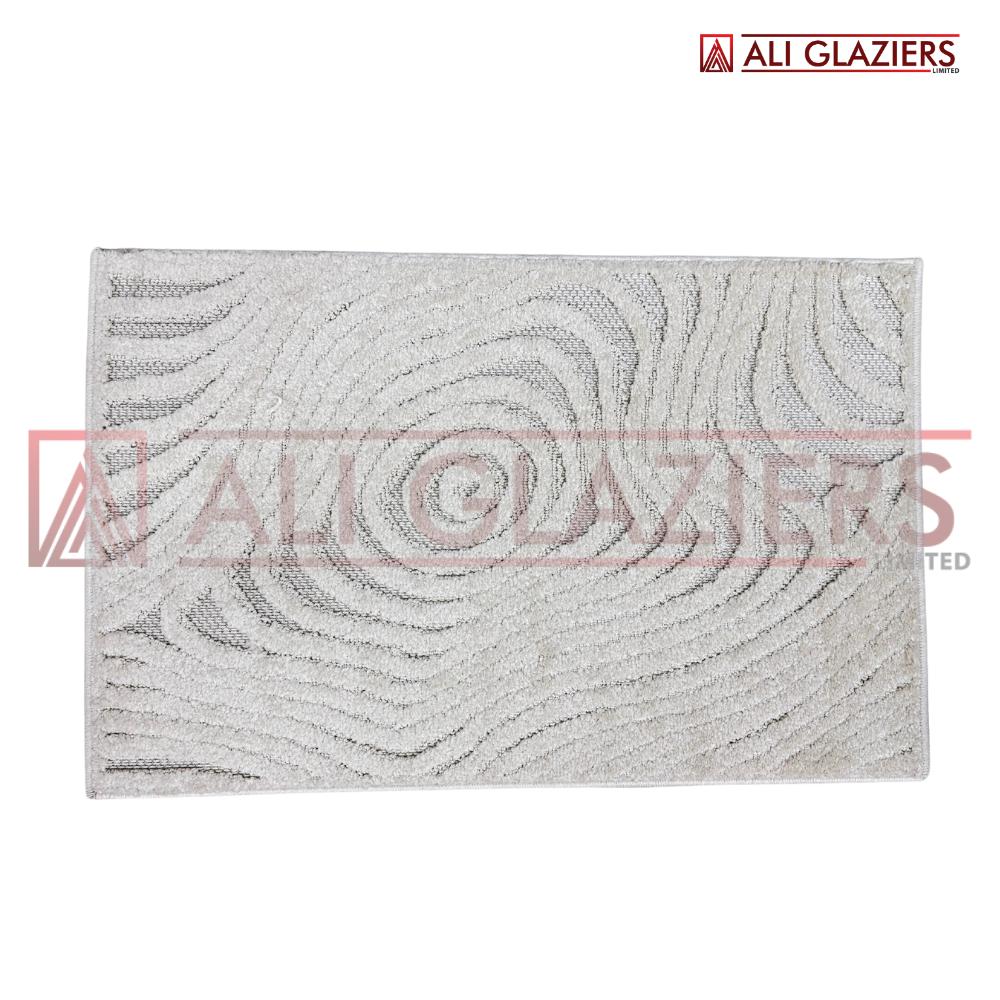
Shop Door Mats
View all Door Mats

Everyday activities can expose the surface to:
- Dust
- Sand
- Grit
- Mud
- Food particles
- Spilled drinks
- Pet hair
- Furniture movement
- Cleaning chemicals
- Moisture
A good maintenance routine helps prevent these everyday contaminants from gradually affecting the appearance of the floor.
What Does AC4 Mean for Laminate Flooring?
AC4 is an abrasion-resistance classification associated with laminate flooring, indicating a higher level of resistance to surface wear than lower-rated categories. It does not mean the flooring is scratch-proof, waterproof or maintenance-free.
This distinction is important.
An AC4 floor can still be affected by:
- Abrasive grit
- Sharp objects
- Excessive moisture
- Dragged furniture
- Incorrect cleaning chemicals
The rating should therefore be viewed as one part of the product specification.
Why Regular Laminate Maintenance Matters
Routine maintenance removes abrasive particles and contaminants before they have an opportunity to accumulate on the floor surface.
Dust itself may seem harmless.
However, dust can contain small particles of:
- Sand
- Soil
- Grit
- Building debris
When these particles are repeatedly walked across a floor, they can contribute to surface wear.
Regular cleaning is therefore preventative rather than merely cosmetic.
Daily Laminate Flooring Checklist
Daily maintenance should focus on removing loose dirt and dealing with spills before they become more difficult to clean.
A simple routine can include:
- Sweep or vacuum the floor.
- Remove visible grit.
- Clean food particles.
- Wipe spills promptly.
- Check entrances for accumulated dirt.
- Inspect high-traffic areas.
The exact frequency depends on household or commercial traffic.
A busy office may require more frequent cleaning than a bedroom.
Start With Dry Cleaning
Dry cleaning should usually be the first step because it removes loose dust, hair and grit without introducing unnecessary moisture onto the laminate surface.
Suitable tools may include:
- Soft-bristle broom
- Microfiber dust mop
- Vacuum cleaner suitable for hard floors
The objective is to collect dirt rather than move it around.
Why Microfiber Tools Are Useful
Microfiber cleaning tools can collect fine dust and dirt effectively while being gentle on many finished flooring surfaces.
A microfiber mop can be particularly useful for routine maintenance.
It can help remove:
- Fine dust
- Hair
- Small particles
- Light surface dirt
Keep the cleaning head clean.
A dirty mop can simply redistribute dirt across the floor.
Vacuuming AC4 Laminate Flooring
Vacuuming can provide effective dry cleaning when the machine is suitable for hard flooring and does not use an aggressive rotating brush that could mark the surface.
When vacuuming, pay particular attention to:
- Doorways
- Hallways
- Under tables
- Around furniture
- Kitchen entrances
- High-traffic routes
These areas tend to collect more dirt.
Entrance Mats Reduce Dirt
Entrance mats can reduce the amount of outdoor dirt and grit carried onto laminate flooring, making them an important part of a floor-care strategy.
Place suitable mats at:
- Main entrances
- Balcony access points
- Garden entrances
- Commercial entrances
Regularly clean the mats themselves.
A heavily contaminated mat becomes less effective at capturing additional dirt.
Remove Spills Immediately
Prompt spill removal is one of the simplest ways to reduce the risk of staining and unnecessary moisture exposure on laminate flooring.
Common household spills include:
- Water
- Tea
- Coffee
- Juice
- Milk
- Soft drinks
- Food sauces
Do not allow liquid to remain on the floor longer than necessary.
Blot or wipe the affected area using a suitable clean cloth.
Avoid Excessive Water
Laminate flooring should not be treated like a floor that can be flooded or saturated during cleaning because excessive moisture can enter joints and potentially damage moisture-sensitive components.
Avoid:
- Pouring water directly onto the floor
- Soaking the mop
- Leaving puddles
- Flood-cleaning the room
If damp mopping is permitted by the product manufacturer, use a well-wrung mop and follow the manufacturer's cleaning instructions.
Choosing a pH-Neutral Cleaner
Where wet cleaning is recommended, use a cleaner specifically approved for laminate flooring and follow its dilution instructions rather than assuming that any household detergent is suitable.
A suitable product may be:
- pH-neutral
- Designed for laminate
- Low-residue
- Manufacturer-approved
Always check the flooring manufacturer's recommendations before introducing a new cleaning chemical.
Why Harsh Chemicals Can Be Risky
Strong chemicals can affect flooring finishes or leave residues, so cleaning power should not be confused with suitability for laminate flooring.
Avoid experimenting with:
- Strong solvents
- Abrasive powders
- Unapproved degreasers
- Industrial chemicals
- Highly concentrated cleaners
A product that removes difficult stains from another surface may be unsuitable for laminate.
Avoid Abrasive Scrubbing
Abrasive cleaning tools can create unnecessary wear on the decorative surface, particularly when combined with grit or aggressive chemicals.
Avoid using:
- Steel wool
- Rough scouring pads
- Abrasive brushes
- Sandpaper
- Harsh scrubbing equipment
Use a softer cleaning method first.
Dealing With Mud
Mud should be removed carefully rather than aggressively scrubbed across the laminate surface because dried soil can contain abrasive particles.
A practical process is:
- Allow excess mud to be contained rather than spread.
- Remove larger pieces carefully.
- Vacuum loose particles.
- Use an appropriate slightly damp cleaning method if permitted.
- Dry the area.
Do not drag footwear across the floor to remove mud.
Protecting Laminate From Grit
Grit is one of the most important contaminants to control because hard particles can become trapped beneath footwear and contribute to abrasion.
Grit commonly enters through:
- Doors
- Garages
- Gardens
- Construction areas
- Outdoor walkways
Use entrance mats and maintain a regular dry-cleaning schedule.
Furniture Protection
Furniture can scratch or mark laminate flooring when heavy items are dragged or moved repeatedly across the surface.
Use suitable protective pads beneath:
- Chairs
- Tables
- Sofas
- Cabinets
- Beds
When moving heavy furniture, lift it where possible rather than dragging it.
For large pieces, use appropriate moving equipment that will not damage the flooring.
Weekly AC4 Laminate Maintenance
Weekly maintenance should go beyond removing visible dirt and include a closer inspection of areas that experience regular traffic.
A practical weekly routine can include:
- Vacuuming or dry mopping the complete floor.
- Cleaning around furniture.
- Checking entrance areas.
- Removing accumulated dust from corners.
- Inspecting joints and edges.
- Cleaning visible marks with an approved product.
The frequency can be increased in busy homes, offices, shops, or other commercial spaces.
Monthly Laminate Floor Inspection
A monthly inspection can identify small maintenance issues before they develop into larger flooring problems.
Check for:
- Scratches
- Chipped edges
- Open joints
- Swelling
- Loose sections
- Damaged transition profiles
- Worn furniture pads
- Moisture around plumbing or appliances
Pay particular attention to areas around:
- Sinks
- Dishwashers
- Washing machines
- Entrance doors
- Bathrooms
- Balconies
Early identification makes it easier to investigate the cause.
Removing Common Stains
Small stains should be addressed using the least aggressive cleaning method appropriate for the flooring and the manufacturer's maintenance instructions.
Common marks can include:
- Food
- Coffee
- Tea
- Ink
- Grease
- Shoe marks
Start with a clean, slightly damp microfiber cloth where permitted.
If additional cleaning is required, use a laminate-compatible cleaner.
Avoid applying excessive pressure.
Cleaning Grease Near the Kitchen
Kitchen areas can accumulate grease and food residue more quickly than other rooms, making regular cleaning particularly important where laminate flooring is installed nearby.
Clean spills promptly.
Avoid allowing cooking oils to sit on the floor.
Use only cleaning products approved for the laminate.
Do not assume that a powerful kitchen degreaser is safe for flooring.
If grease repeatedly reaches the same area, investigate the source rather than relying on increasingly strong cleaning chemicals.
Laminate Flooring and Pets
Homes with pets need additional attention to dirt, moisture, hair and potential scratching from claws.
Pet owners can reduce floor wear by:
- Keeping claws appropriately trimmed.
- Cleaning muddy paws before pets enter.
- Using mats at outdoor access points.
- Removing pet hair regularly.
- Cleaning water spills around bowls.
- Avoiding dragged pet furniture.
Place water bowls on a suitable protective surface where necessary.
Cleaning Around Pet Bowls
Water and food bowls can create repeated moisture and food exposure, so placing them on a suitable protective mat can help reduce contact with the laminate.
Inspect the surrounding area regularly.
If water repeatedly reaches the floor, clean it immediately and consider changing the placement or protection underneath the bowls.
Managing High-Traffic Areas
Hallways, entrances and living areas often experience greater wear than bedrooms, so they may require more frequent cleaning and inspection.
Typical high-traffic areas include:
- Entrance halls
- Corridors
- Living rooms
- Dining areas
- Office walkways
A consistent maintenance routine can help prevent these areas from becoming visibly dirtier than the rest of the floor.
Laminate Flooring in Commercial Spaces
AC4 laminate can be suitable for selected commercial environments, but commercial floors generally require more frequent maintenance because of increased foot traffic.
Examples include:
- Offices
- Boutique shops
- Reception areas
- Small retail spaces
- Professional premises
Commercial users should establish a cleaning schedule based on actual traffic.
An entrance receiving hundreds of visitors should not be maintained at the same frequency as a lightly used private room.
Managing Office Chair Movement
Rolling office chairs can create concentrated movement on flooring, making chair selection and floor protection important in workspaces.
Where appropriate, consider:
- Suitable chair casters
- Protective floor mats
- Regular cleaning beneath desks
- Avoiding unnecessary dragging
Check that protective mats are compatible with the laminate surface.
Humidity and Laminate Flooring
Laminate flooring contains wood-based components in many constructions, so environmental conditions should remain within the manufacturer's recommended range.
Avoid exposing laminate to persistent:
- Water
- Dampness
- Leaks
- Excessive humidity
Good ventilation can be beneficial in appropriate rooms.
If moisture repeatedly appears around the floor, investigate the underlying source rather than treating the flooring alone.
Deal With Leaks Quickly
A leaking pipe, appliance or roof can expose laminate flooring to moisture for extended periods and should be addressed immediately.
Common sources include:
- Sink plumbing
- Washing machines
- Dishwashers
- Water dispensers
- Air-conditioning systems
- Roof or window leaks
Do not simply dry the visible surface and ignore the source.
Inspect Expansion Gaps
Laminate flooring requires appropriate expansion provisions because changes in environmental conditions can cause the flooring to move.
During routine inspections, check areas around:
- Walls
- Doorways
- Fixed structures
- Transition points
Do not fill required expansion spaces with unsuitable materials.
Installation requirements should follow the manufacturer's specifications.
Never Nail Floating Laminate to the Subfloor
Floating laminate flooring is designed to move within the limits of its installation system, so fastening planks directly to the subfloor can interfere with normal movement.
If a plank appears to move unusually or a joint begins opening, investigate the underlying installation issue.
Do not attempt an improvised repair without understanding the cause.
Protect Laminate During Renovations
Renovation work can expose finished flooring to dust, tools, paint, plaster and heavy equipment, so the floor should be protected before work begins.
This is especially important when carrying out:
- Painting
- Carpentry
- Electrical work
- Wall drilling
- Furniture installation
- Cabinet installation
Use a suitable temporary protective covering that is compatible with the flooring and does not trap moisture underneath.
Do Not Drag Building Materials
Heavy building materials can scratch, dent or otherwise damage laminate flooring, even when the flooring has a high abrasion classification.
Avoid dragging:
- Timber
- Metal frames
- Cabinets
- Appliances
- Tiles
- Tools
Lift and carry materials where possible.
Can Scratched Laminate Be Repaired?
Minor surface marks may sometimes be addressed using products recommended for the specific laminate, but deeply damaged planks may require replacement rather than cosmetic repair.
The correct solution depends on:
- Damage depth
- Plank construction
- Location
- Manufacturer
- Product availability
Do not use permanent adhesives or unapproved repair compounds without checking compatibility.
Replacing a Damaged Plank
Replacing a severely damaged laminate plank can provide a better result than repeatedly attempting to disguise significant damage.
For click-lock systems, replacement procedures depend on:
- Installation direction
- Locking mechanism
- Location of the damaged plank
If replacement requires dismantling surrounding flooring, professional assistance may be appropriate.
Keep spare planks from the original installation where possible.
Keep Spare Flooring After Installation
Keeping a small quantity of spare laminate from the original installation can make future repairs easier because matching colour, texture and pattern can become difficult as products change.
Store spare flooring:
- In a dry location
- Away from direct moisture
- According to storage recommendations
- In its original packaging where practical
Record the product name and specification.
What Not to Use on AC4 Laminate
AC4 classification does not make laminate compatible with every cleaning chemical or tool, so avoid aggressive products that are not approved for the flooring.
Do not automatically use:
- Steel wool
- Abrasive powders
- Excessive water
- Steam cleaners unless specifically approved
- Strong solvents
- Unapproved wax
- Floor polish designed for other materials
- Rough scrubbing brushes
Always check the manufacturer's care instructions first.
Should You Wax Laminate Flooring?
Laminate flooring generally does not require traditional waxing or polishing because its finished wear surface is manufactured as part of the product.
Applying wax may:
- Leave residue
- Alter the appearance
- Make maintenance more difficult
- Affect the surface
Use products specifically recommended for the laminate instead.
Should You Steam-Clean Laminate?
Steam cleaning should not be assumed to be safe for laminate because heat and moisture can potentially affect moisture-sensitive components and joints.
Only use a steam-cleaning method if the flooring manufacturer explicitly permits it for the specific product.
Otherwise, choose the manufacturer's recommended cleaning process.
The AC4 Laminate Maintenance Schedule
A simple schedule makes it easier to maintain laminate consistently instead of waiting until the floor becomes visibly dirty or damaged.
| FrequencyRecommended Task | |
| Daily | Remove spills and visible debris |
| Several times weekly | Dry mop or vacuum according to traffic |
| Weekly | Clean high-traffic areas and inspect the floor |
| Monthly | Inspect joints, edges and furniture protection |
| Periodically | Deep-clean according to manufacturer instructions |
| When required | Repair leaks and replace damaged components |
The actual schedule should be adjusted according to traffic and the environment.
AC4 Laminate Floor Care Checklist
The most effective laminate maintenance routine combines preventative measures, appropriate cleaning and regular inspection.
Every day
- Remove spills promptly.
- Remove visible grit.
- Check entrance areas.
- Keep moisture away from the floor.
Every week
- Vacuum or dry mop.
- Clean high-traffic areas.
- Check beneath furniture.
- Clean entrance mats.
Every month
- Inspect joints.
- Check expansion areas.
- Inspect furniture pads.
- Look for scratches or damaged planks.
- Check for moisture sources.
When necessary
- Address leaks immediately.
- Replace damaged planks.
- Renew worn protective pads.
- Seek professional advice for persistent flooring problems.
Choosing Cleaning Tools
The safest approach is to select cleaning tools according to the flooring manufacturer's recommendations rather than assuming that a product marketed for general floors will be appropriate.
Useful categories may include:
- Microfiber dust mop
- Soft-bristle broom
- Suitable hard-floor vacuum
- Clean microfiber cloths
- Manufacturer-approved cleaning solution
Keep cleaning tools free from trapped grit.
A dirty mop head can transfer abrasive particles back onto the floor.
Professional Maintenance Advice
Professional flooring advice can be useful when the floor develops persistent marks, movement, moisture problems or damage that cannot be resolved through routine cleaning.
Seek professional assistance when you notice:
- Repeated swelling
- Persistent moisture
- Significant joint separation
- Buckling
- Unexplained movement
- Major surface damage
Cleaning cannot solve an installation or structural problem.
Why Choose Ali Glaziers Flooring Solutions?
Ali Glaziers Flooring Solutions provides flooring options for residential and commercial projects, including laminated flooring suitable for selected interior applications.
When purchasing laminate, maintenance should be considered before installation.
Ask about:
- Product specifications
- AC rating
- Suitable applications
- Cleaning requirements
- Installation requirements
- Warranty conditions
Explore the laminated flooring collection for wood-inspired flooring options.
You can also explore:
- SPC flooring for rigid flooring designs.
- Vinyl flooring for versatile interior applications.
- Carpets for softer flooring requirements.
- Flooring products for additional options.
Final Thoughts on AC4 Laminate Floor Care Kenya
AC4 Laminate Floor Care Kenya does not require complicated equipment or expensive maintenance programmes. The most important habits are removing grit regularly, cleaning spills promptly, limiting moisture, using appropriate microfiber tools, and following the manufacturer's cleaning recommendations.
AC4 provides a useful level of abrasion resistance, but the rating should not be misunderstood as immunity from damage.
A well-maintained laminate floor benefits from a simple preventative approach:
Keep grit away.
Control moisture.
Clean spills quickly.
Use suitable products.
Protect the surface from furniture.
Inspect the floor regularly.
Entrance mats can help reduce outdoor dirt.
Furniture pads can reduce unnecessary surface marking.
Appropriate cleaning products can help preserve the finish.
And prompt attention to leaks can prevent moisture-related problems from becoming more serious.
For homeowners and commercial property managers, the best maintenance strategy is consistency. A few minutes of appropriate cleaning and inspection can help preserve the appearance of an AC4 laminate floor far more effectively than aggressive cleaning after dirt and damage have already accumulated.
Contact Ali Glaziers Flooring Solutions
Planning to install laminated flooring or need guidance on maintaining an existing floor? Ali Glaziers Flooring Solutions can help you explore suitable flooring products and installation options.
Visit Us: Funzi Road Branch, End of Funzi Road, Industrial Area, Ali Glaziers LTD Building, Nairobi, Kenya
Call / WhatsApp: +254 (0) 716 259 682, +254 (0) 722 522 452
Email: info@aliglaziers.com
Shop Online: Ali Glaziers Flooring Shop
Explore: Ali Glaziers Flooring Solutions