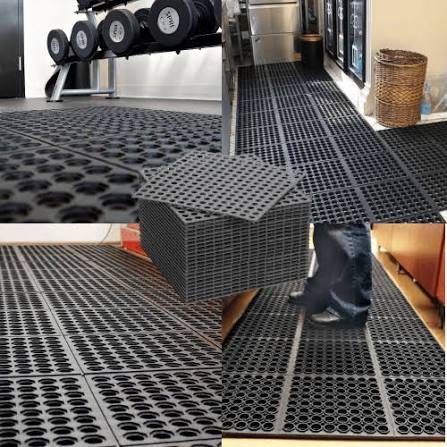
Milled Rubber Flooring Kenya offers durable surfaces for garages and car parks. Learn about heavy-duty rubber rolls, traction, maintenance, and installation.
Milled Rubber Flooring Kenya: A Heavy-Duty Option for Automotive Spaces
Milled Rubber Flooring Kenya can provide a resilient surface for garages, workshops, service bays, and selected car-park areas exposed to demanding daily use. Its rubber construction can offer traction, impact resistance, and practical maintenance when the product is correctly specified and installed.
Automotive environments place very different demands on flooring compared with ordinary residential rooms.
A garage or workshop may experience:
Shop Rubber Flooring
View all Rubber Flooring


- Vehicle traffic
- Tyre friction
- Oil and fluid spills
- Heavy equipment
- Dropped tools
- Dirt and grit
- Repeated cleaning
- Moisture
- Concentrated loads
A flooring material that works well in a bedroom may therefore be inappropriate for an automotive environment.
Rubber flooring is one option worth considering when durability and resilience are priorities.
What Is Milled Rubber Flooring?
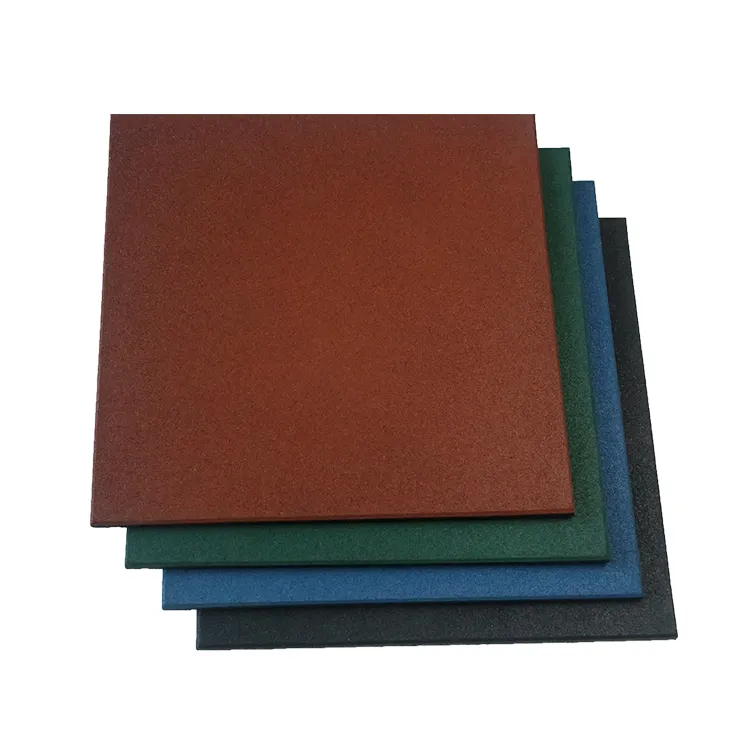
Milled rubber flooring is manufactured from processed rubber material formed into flooring products, often available as rolls or tiles for demanding environments.
Depending on the product, milled rubber flooring may feature:
- Textured surfaces
- Ribbed finishes
- Button-top patterns
- Smooth surfaces
- Different thicknesses
- Roll or tile formats
The correct specification depends on the intended application.
For garages and workshops, buyers should pay attention to the manufacturer's information regarding:
- Load capacity
- Thickness
- Chemical resistance
- Slip resistance
- Temperature resistance
- Installation method
Why Rubber Works in Automotive Environments
Rubber has properties that make it useful in areas where impact, vibration, traction, and repeated movement are important considerations.
Automotive facilities can expose flooring to substantial mechanical stress.
Rubber surfaces can provide a degree of resilience against:
- Tool impacts
- Vehicle movement
- Equipment movement
- Foot traffic
However, performance varies between products.
A light-duty rubber mat should not automatically be treated as equivalent to an industrial-grade rubber flooring system.
Rubber Flooring for Car Parks
Car parks require surfaces capable of handling vehicle movement, pedestrian traffic, dirt, and weather-related exposure, so flooring selection should be based on the specific conditions of the site.
Consider:
- Indoor or outdoor use
- Vehicle weight
- Traffic frequency
- Drainage
- Exposure to rain
- Cleaning methods
- Tyre contact
- Oil and chemical exposure
Not every rubber flooring product is designed for open-air car parks.
For outdoor installations, confirm that the product is specifically suitable for the environmental conditions.
Rubber Flooring for Garages
Garage floors can benefit from resilient surfaces that make the working environment more comfortable while helping protect the underlying substrate from everyday wear.
A garage may be used for:
- Vehicle parking
- Repairs
- Maintenance
- Storage
- Tool work
Rubber flooring can provide a more forgiving surface than bare concrete in selected applications.
It may also reduce the harsh sound associated with tools and equipment contacting the floor.
Button-Top Rubber Flooring
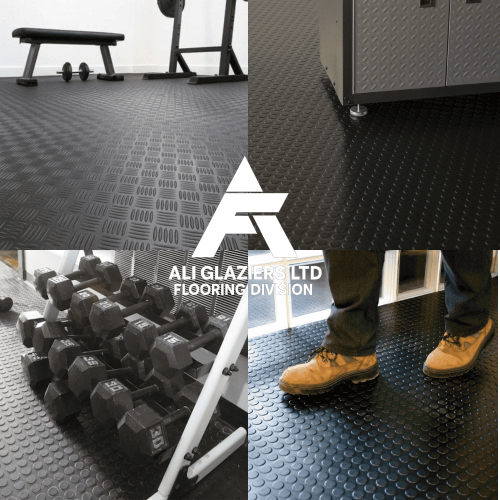
Button-top rubber flooring features raised circular patterns across the surface, providing a distinctive industrial appearance and additional surface texture.
The raised pattern can contribute to:
- Traction
- Visual texture
- Surface grip
It can also help create a practical finish for areas where workers need stable footing.
However, the product's actual slip performance should be verified through manufacturer specifications or appropriate testing rather than assumed from the pattern alone.
Why Thickness Matters
Rubber flooring thickness should be selected according to the expected traffic, loading, and application rather than choosing the thickest available product automatically.
A 3mm rubber roll, for example, may be suitable for certain applications where the underlying surface is properly prepared and the product is specified for the intended use.
Heavier applications may require different specifications.
Before ordering, consider:
- Vehicle traffic
- Equipment loads
- Impact levels
- Subfloor condition
- Installation method
The manufacturer's recommendations should guide the final selection.
Can 3mm Rubber Flooring Handle Vehicles?
A 3mm rubber product can be appropriate for some applications, but thickness alone does not determine whether a flooring product can support vehicle traffic.
Other factors include:
- Rubber formulation
- Density
- Subfloor quality
- Installation method
- Vehicle load
- Tyre pressure
- Traffic frequency
A product specifically manufactured for heavy-duty automotive applications should be evaluated using its complete technical specification.
Do not select a flooring system based solely on thickness.
Rubber Rolls vs Rubber Tiles
Rubber flooring is commonly available in rolls and tiles, with each format offering different installation and maintenance considerations.
Rubber Rolls
Rolls can provide:
- Fewer seams
- Broad continuous coverage
- Faster coverage of large areas
- A relatively uniform appearance
They can work well in larger open spaces when the installation area is straightforward.
Rubber Tiles
Tiles can provide:
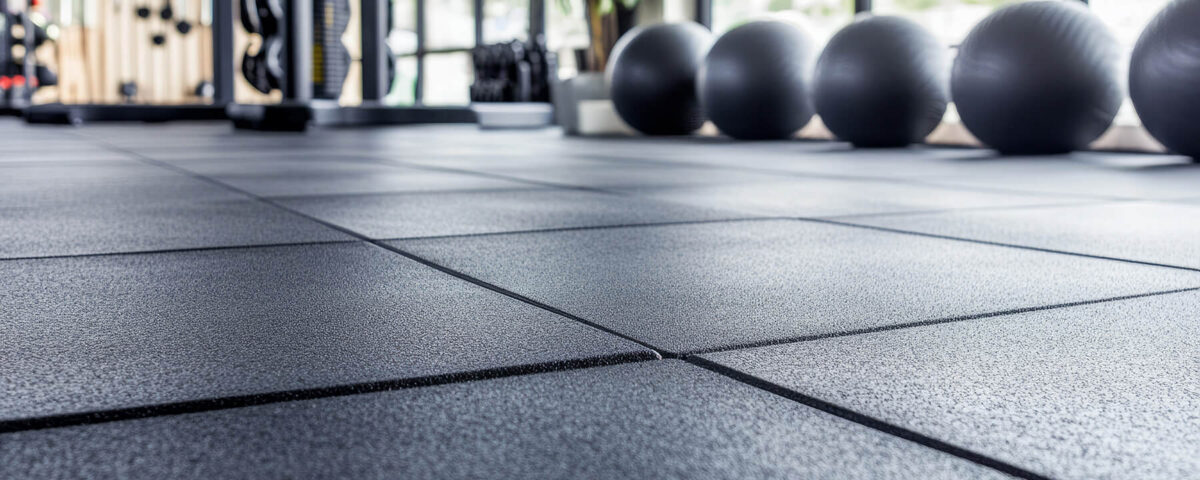
- Modular installation
- Easier replacement of damaged sections
- Flexible layout options
- Easier handling in some projects
The best format depends on the size and shape of the area.
Why Seam Reduction Matters
Reducing unnecessary seams can make cleaning and maintenance easier while creating a more continuous finished appearance.
Roll flooring can reduce the number of joints compared with smaller tiles.
However, large rubber rolls require careful:
- Measurement
- Cutting
- Positioning
- Adhesive application where required
- Seam finishing
Professional installation becomes particularly important when covering large areas.
Preparing the Concrete Subfloor
Rubber flooring performs best when installed over a suitable, clean, stable, and adequately prepared substrate.
Concrete should be assessed for:
- Cracks
- Uneven areas
- Dust
- Oil contamination
- Moisture
- Loose material
Oil and grease contamination can be particularly problematic in garages.
The appropriate preparation method depends on the condition of the concrete and the rubber flooring manufacturer's installation requirements.
Why Oil Contamination Matters
Oil, grease, and automotive fluids can interfere with some flooring adhesives and may affect the long-term performance of the installation.
Before installing rubber flooring over an existing garage surface:
- Identify contaminated areas.
- Remove surface contaminants appropriately.
- Repair damaged concrete.
- Allow the surface to reach the required condition.
- Confirm compatibility with the flooring system.
Never install directly over a visibly contaminated substrate without appropriate preparation.
Moisture and Garage Floors
Moisture should also be considered because garages and ground-level automotive spaces can experience water from rain, washing, plumbing, or ground moisture.
Check for:
- Damp concrete
- Water pooling
- Leaks
- Poor drainage
- Moisture migration
If an adhesive-based installation is planned, the substrate's moisture condition can be particularly important.
Follow the flooring and adhesive manufacturer's requirements.
Handling Heavy Vehicle Traffic
Automotive flooring must be selected according to the actual weight and frequency of vehicle traffic rather than simply being labelled "heavy duty."
A private home garage may experience only a few vehicle movements each day.
A commercial workshop or parking facility can experience:
- Frequent vehicle entry and exit
- Larger vehicles
- Repeated turning
- Concentrated wheel loads
- Equipment movement
These conditions can place considerably more stress on the flooring.
Before selecting a rubber product, identify the expected vehicle types and traffic levels.
Tyre Turning and Rubber Flooring
Vehicle turning can place different stresses on flooring compared with simply driving straight across the surface.
When a vehicle turns, the tyres can exert significant lateral forces against the floor.
This makes the following important:
- Product specification
- Adhesion
- Subfloor preparation
- Seam quality
- Surface durability
For spaces where vehicles frequently manoeuvre, choose a product specifically recommended for automotive applications.
Slip Resistance in Garages
A garage floor should provide appropriate traction for both vehicles and pedestrians, particularly where water or automotive fluids may be present.
Button-top or textured rubber surfaces can provide additional surface texture.
However, texture alone does not guarantee suitable slip resistance.
Always consider the manufacturer's performance information.
Particular attention should be given to:
- Wet conditions
- Cleaning areas
- Vehicle ramps
- Workshop entrances
- Pedestrian walkways
Oil and Chemical Exposure
Automotive environments can expose flooring to oils, fuels, coolants, cleaning chemicals, and other substances, making chemical compatibility an important selection criterion.
Do not assume that all rubber flooring has identical chemical resistance.
Ask the supplier about resistance to substances commonly encountered in the intended facility.
These may include:
- Motor oil
- Hydraulic fluids
- Coolants
- Grease
- Cleaning agents
Spills should also be cleaned promptly according to the manufacturer's instructions.
Cleaning Milled Rubber Flooring
Routine cleaning helps maintain the appearance and performance of rubber flooring by removing abrasive dirt, oil residues, and other contaminants.
A basic maintenance routine may include:
Daily or routine cleaning
Remove:
- Dust
- Sand
- Dirt
- Leaves
- Small stones
Spill management
Clean oil and other fluids promptly using compatible cleaning products.
Periodic cleaning
Carry out deeper cleaning according to the manufacturer's recommendations.
Avoid harsh chemicals unless they are specifically approved for the flooring.
Protecting the Surface From Abrasive Dirt
Sand and grit can act as abrasive particles under vehicle tyres and footwear, so controlling dirt at entrances can help reduce unnecessary surface wear.
Useful measures include:
- Entrance mats
- Regular sweeping
- Controlled vehicle access
- Prompt spill removal
- Regular inspection
For commercial facilities, a scheduled maintenance programme can be more effective than waiting until the floor becomes visibly dirty.
Rubber Flooring for Workshops
Workshops require flooring that supports both vehicle servicing and pedestrian activity, making resilience and ease of maintenance important considerations.
A workshop floor may need to accommodate:
- Vehicle lifts
- Toolboxes
- Mechanics
- Equipment
- Tyres
- Spare parts
Before installation, confirm whether the rubber flooring is suitable for concentrated loads from equipment such as vehicle lifts.
The flooring manufacturer should provide guidance for specialised loading conditions.
Rubber Flooring Around Vehicle Lifts
Vehicle lifts create concentrated loads that should be assessed separately from ordinary vehicle traffic.
Do not assume that flooring suitable for vehicle parking is automatically suitable beneath a lift.
Consider:
- Point loads
- Lift feet
- Equipment movement
- Rubber compression
- Adhesion
Where a workshop uses lifting equipment, consult both the flooring manufacturer and equipment manufacturer before installation.
Outdoor Car Parks and Rubber Flooring
Outdoor car parks require additional consideration because the flooring may be exposed to sunlight, rain, temperature changes, drainage issues, and environmental contaminants.
Before specifying a rubber product outdoors, confirm its suitability for:
- UV exposure
- Rain
- Temperature variation
- Outdoor traffic
- Drainage conditions
A product designed primarily for indoor workshops should not automatically be installed outdoors.
Drainage Around Car Parks
Good drainage is essential for outdoor automotive areas because standing water can create maintenance and safety problems regardless of the flooring material.
The surrounding design should account for:
- Surface falls
- Drainage channels
- Rainwater
- Vehicle washing
- Runoff
Rubber flooring cannot compensate for poor site drainage.
If water consistently collects beneath or around the flooring, the underlying problem should be addressed.
Rubber Flooring and Noise Reduction
Rubber can help reduce some impact and footfall noise compared with harder flooring surfaces, which may be beneficial in workshops and enclosed garages.
Noise sources can include:
- Dropped tools
- Equipment
- Footsteps
- Vehicle movement
- Metal components
The actual acoustic performance depends on the complete flooring system, substrate, installation, and surrounding construction.
For facilities with strict acoustic requirements, request technical acoustic data.
Rubber Flooring for Service Bays
Service bays need flooring that can withstand frequent movement while remaining practical for workers who may spend hours standing or walking on the surface.
Potential considerations include:
- Surface resilience
- Traction
- Cleaning
- Chemical resistance
- Comfort
- Maintenance
A suitable rubber floor can provide a more forgiving work surface than unfinished concrete.
Installing Rubber Flooring
Correct installation is essential because even a durable rubber product can perform poorly when installed over an unsuitable substrate or using an incorrect installation method.
Depending on the product, installation may involve:
- Preparing the substrate
- Measuring the area
- Cutting the rubber
- Positioning rolls or tiles
- Applying compatible adhesive where required
- Joining seams
- Allowing the installation to settle or cure
- Inspecting the completed surface
Always follow the manufacturer's installation instructions.
Adhesive Selection
Where adhesive installation is required, the adhesive must be compatible with both the rubber product and the substrate.
The installer should consider:
- Concrete condition
- Moisture
- Temperature
- Rubber composition
- Intended traffic
Using an unsuitable adhesive can affect:
- Bond strength
- Seam stability
- Long-term performance
Never select an adhesive solely because it is marketed as "heavy duty."
Floating vs Bonded Rubber Flooring
Some rubber flooring systems may be installed using different methods, but the correct method depends on the specific product and application.
A floating installation may be suitable for some products and temporary applications.
A fully bonded system may be more appropriate for certain high-traffic environments.
The flooring manufacturer's instructions should determine the installation method.
Measuring a Car Park or Garage
Accurate measurement is important when purchasing rubber rolls because incorrect dimensions can create unnecessary waste or leave insufficient material for complete coverage.
Measure:
- Length
- Width
- Columns
- Doorways
- Drainage channels
- Irregular corners
- Fixed equipment
For large projects, professional site measurement can simplify material planning.
Estimating Rubber Flooring Costs
The total cost of a rubber flooring project includes more than the price of the rubber itself.
Consider:
- Rubber flooring
- Delivery
- Subfloor preparation
- Adhesive
- Installation
- Cutting
- Seam finishing
- Profiles
- Maintenance
For large commercial projects, buying material in the correct quantities can help reduce unnecessary wastage.
Common Automotive Flooring Mistakes
Choosing flooring based only on thickness or appearance can result in a system that does not match the demands of the automotive environment.
Common mistakes include:
Selecting an indoor product for outdoor use
Always confirm the intended application.
Ignoring chemical resistance
Automotive fluids can affect some flooring systems.
Installing over contaminated concrete
Oil and grease may interfere with installation.
Ignoring drainage
Water problems can affect the entire installation.
Assuming all rubber is the same
Rubber flooring products vary significantly in composition and performance.
Installing without checking equipment loads
Vehicle lifts and other equipment can create concentrated loads.
Milled Rubber Flooring Maintenance Checklist
A simple maintenance programme can extend the useful appearance and performance of a rubber floor in a garage or workshop.
Daily
- Remove dirt and grit.
- Clean visible spills.
- Check high-traffic areas.
Weekly
- Carry out thorough cleaning.
- Inspect seams.
- Check entrances.
Monthly
- Inspect damaged areas.
- Check drainage around the installation.
- Review areas beneath frequently moved equipment.
Periodically
- Follow the manufacturer's recommended deep-cleaning programme.
- Replace damaged sections where the flooring system permits.
- Review whether the maintenance procedure remains appropriate.
When Rubber Flooring May Not Be the Best Choice
Rubber flooring is not automatically suitable for every car park or garage, so the environment should be evaluated before purchase.
Alternative surfaces may be considered where requirements involve:
- Heavy outdoor exposure
- Very high vehicle loads
- Fuel-intensive environments
- Special chemical exposure
- Industrial machinery
- Fire-performance requirements
The flooring should be selected according to the project's technical requirements rather than assuming rubber is always the best solution.
Why Choose Ali Glaziers Flooring Solutions?
Ali Glaziers Flooring Solutions provides flooring products for residential and commercial applications, with product selection based on the requirements of the intended environment.
For automotive or industrial projects, discuss the intended application before purchasing so the appropriate product specification can be considered.
Explore the broader:
Ali Glaziers Flooring Solutions
You can also browse other flooring categories, including:
Final Checklist for Milled Rubber Flooring
Before purchasing rubber flooring for a garage, workshop, or car park, verify the product against the actual demands of the site.
Application
- Indoor or outdoor use confirmed
- Vehicle traffic assessed
- Vehicle weight considered
- Tyre turning considered
- Equipment loads assessed
Product
- Correct thickness selected
- Surface texture appropriate
- Slip performance reviewed
- Chemical resistance checked
- UV suitability confirmed for outdoor use
- Manufacturer documentation reviewed
Installation
- Subfloor inspected
- Oil and grease removed
- Moisture assessed
- Uneven areas corrected
- Correct adhesive selected where required
- Seams planned
- Drainage considered
Maintenance
- Cleaning procedure established
- Spill response planned
- Regular inspections scheduled
- Compatible cleaning products identified
Final Thoughts on Milled Rubber Flooring Kenya
Milled Rubber Flooring Kenya can be a practical option for selected automotive environments when its specification matches the traffic, loading, exposure, and maintenance requirements of the site.
For garages and workshops, consider:
- Resilience
- Traction
- Chemical compatibility
- Ease of cleaning
- Subfloor condition
For outdoor car parks, add:
- UV exposure
- Rain
- Drainage
- Temperature variation
- Outdoor suitability
And for specialised workshops, consider concentrated loads from equipment such as vehicle lifts.
The key lesson is simple:
Do not choose automotive flooring based on thickness or appearance alone.
A 3mm button-top rubber roll may be suitable for one application while another project may require a different specification.
The right flooring system depends on the complete combination of:
Product + Subfloor + Installation + Traffic + Maintenance.
When these factors are considered together, rubber flooring can provide a resilient and practical surface for demanding automotive environments.
Contact Ali Glaziers Flooring Solutions
Planning a garage, workshop, service bay, or automotive flooring project? Ali Glaziers Flooring Solutions can help you explore suitable flooring options based on the requirements of your project.
Visit: Funzi Road Branch, End of Funzi Road, Industrial Area, Ali Glaziers LTD Building, Nairobi, Kenya
Call / WhatsApp: +254 (0) 716 259 682, +254 (0) 722 522 452
Email: info@aliglaziers.com
Shop Online: Ali Glaziers Flooring Shop
Explore: Ali Glaziers Flooring Solutions