Verify KEBS flooring certification, imported SPC standards and KS Mark claims before buying SPC or vinyl flooring in Kenya.
KEBS Certification on Imported SPC and Vinyl: What to Verify
Imported SPC and vinyl flooring are increasingly popular in Kenya for homes, offices, retail spaces, hotels, schools, and commercial developments. KEBS flooring certification is an important consideration when buying imported flooring because buyers need to understand applicable standards, conformity documentation, product specifications, and supplier claims before making a purchase.
However, choosing imported flooring should involve more than comparing patterns and prices. KEBS flooring certification and compliance documentation can help buyers establish whether imported products meet applicable Kenyan requirements before they are installed. This is particularly important when purchasing large quantities for a construction project or commercial development.
If you are buying SPC or vinyl flooring in Kenya, you may encounter terms such as the KEBS Standardization Mark (S-Mark), Import Standardization Mark (ISM), Certificate of Conformity (CoC), Kenya Standards, and product test reports. These terms can be confusing, especially when suppliers use certification claims as part of their marketing.
Shop Vinyl Flooring
View all Vinyl Flooring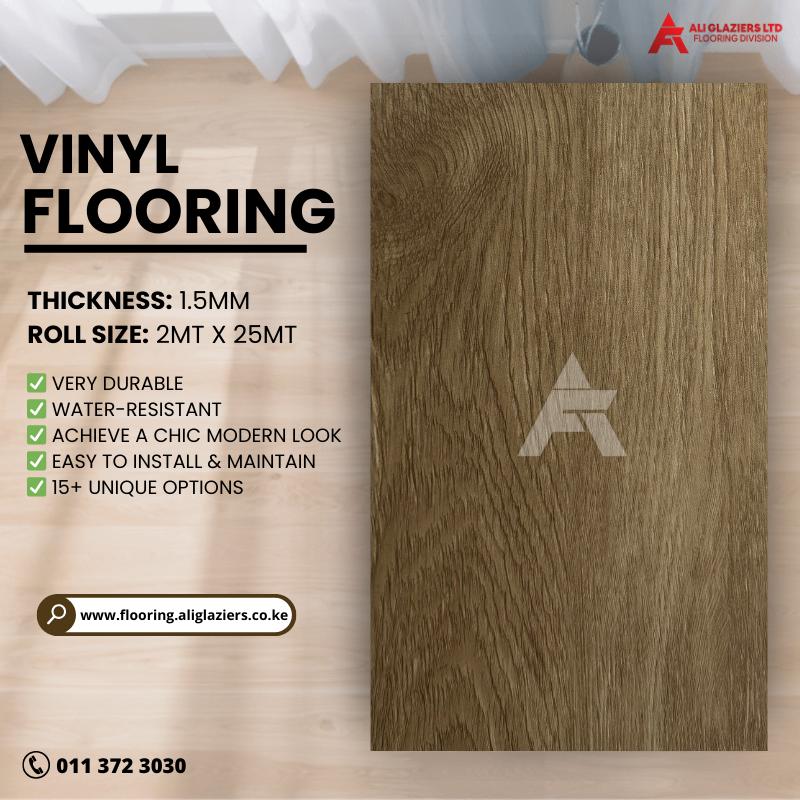
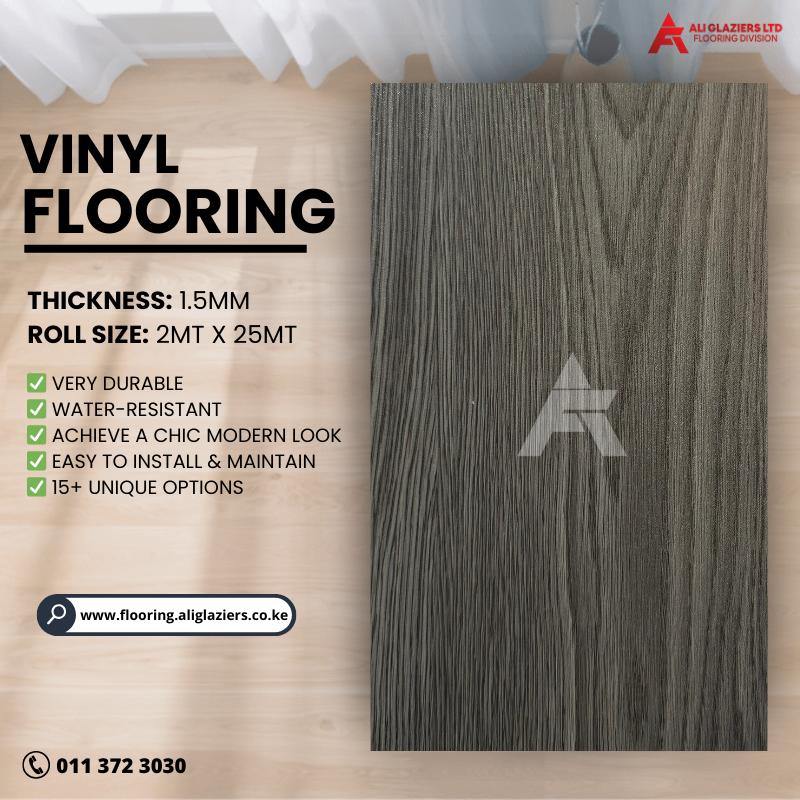
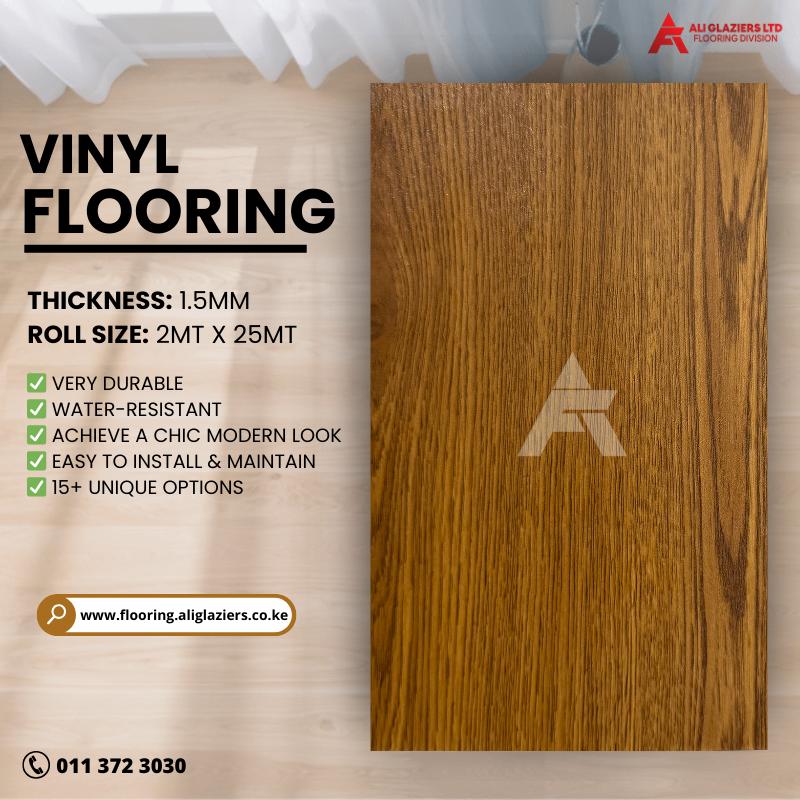
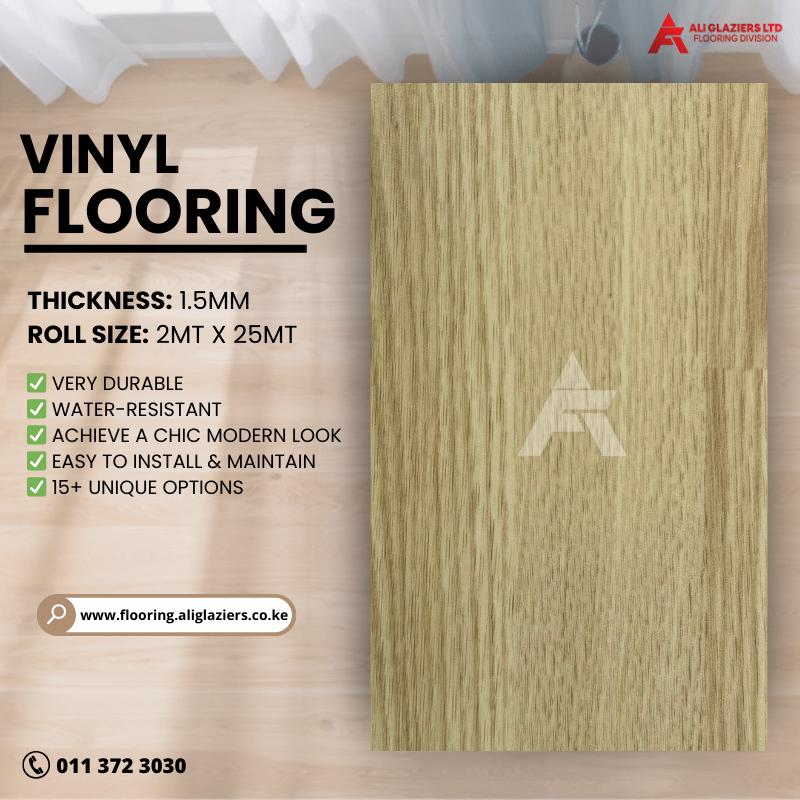
This guide explains what buyers should verify when purchasing imported SPC and vinyl flooring in Kenya, what certification documents mean, what questions to ask suppliers, and why product compliance should be considered alongside thickness, design, wear resistance, installation requirements, and price.
What Is KEBS Certification for Flooring in Kenya?
KEBS certification refers to conformity and standards processes administered or recognized by the Kenya Bureau of Standards for products that fall under applicable Kenyan standards and regulatory requirements. For imported flooring, buyers should verify the documentation applicable to the specific product, importer, consignment, and standard rather than relying on a generic claim that a product is “KEBS approved.”
The Kenya Bureau of Standards (KEBS) plays an important role in protecting consumers and supporting quality assurance in the Kenyan market. Imported products can be subject to conformity assessment requirements before they enter the country.
For a flooring buyer, the practical lesson is simple: do not treat a logo, certificate image, or supplier statement as sufficient proof of compliance.
Ask for documentation that can be connected to the actual product being supplied.
This becomes particularly important when buying:
- SPC flooring
- Vinyl flooring
- Vinyl tiles
- Luxury vinyl flooring products
- Flooring accessories
- Commercial flooring
- Large-volume imported flooring
- Flooring supplied for institutional or commercial projects
The precise regulatory requirements can depend on the product classification, applicable standards, country of origin, importer, and current KEBS procedures.
Therefore, buyers should confirm current requirements with KEBS or their qualified supplier rather than assuming that every imported flooring product follows exactly the same certification process.
Why KEBS Flooring Certification Matters When Buying Imported SPC and Vinyl
KEBS flooring certification and conformity documentation matter because they provide buyers with a way to verify that a product has been assessed against applicable requirements rather than relying only on marketing descriptions. Compliance is especially important for projects where flooring performance, durability, safety, and documentation are contractual requirements.
Flooring is a long-term purchase. Once SPC or vinyl has been installed throughout a house, office, hotel, school, retail shop, or commercial building, replacing it because of poor quality can be expensive.
A low-cost product can become costly if it:
- Damages easily
- Has inconsistent dimensions
- Shows premature wear
- Has poor surface performance
- Does not perform as expected
- Requires unexpected maintenance
- Cannot be supported by proper documentation
- Does not satisfy project specifications
- Creates problems during inspection or handover
Compliance is therefore only one part of responsible flooring procurement, but it is an important part.
A professional buyer should consider standards, technical specifications, installation requirements, warranty, supplier reliability, and application suitability together.
What Is the KS Mark and What Does It Mean for Flooring?
The KS Mark is associated with conformity to a relevant Kenya Standard, but buyers should verify exactly what standard, product, manufacturer, and certification the mark relates to. A KS Mark should not simply be interpreted as a general guarantee that every characteristic of a flooring product has been certified.
When evaluating an imported flooring product, ask the supplier for details behind any certification claim.
For example:
- What is the exact product name?
- Who is the manufacturer?
- Who is the importer?
- What standard applies?
- What certification or conformity document has been issued?
- What product model or specification does the document cover?
- Is the document current?
- Does the documentation correspond to the flooring actually being supplied?
This distinction matters because flooring can be sold under similar descriptions while having very different specifications.
Two products may both be described as “SPC flooring” but differ significantly in:
- Overall thickness
- Wear layer
- Core construction
- Surface coating
- Dimensions
- Click-lock system
- Acoustic characteristics
- Fire-performance characteristics
- Water resistance
- Intended application
- Manufacturer
- Country of origin
The certification or conformity documentation should therefore be considered in relation to the actual product, not simply the general flooring category.
What Is an Import Standardization Mark?
The Import Standardization Mark (ISM) is relevant to certain imported products and helps indicate conformity with applicable Kenyan standards or approved specifications. Buyers should not assume that every imported flooring product will carry exactly the same mark or follow an identical conformity route.
For imported products, the documentation and marking requirements can depend on applicable regulations and KEBS procedures.
This is why a flooring supplier should be able to explain the compliance route for the product being imported.
If you are purchasing flooring for a major project, ask for supporting documents before committing to a large order.
A professional supplier should be able to provide clear product information rather than making vague claims such as:
“It is KEBS certified.”
Instead, ask:
“Which KEBS requirement or applicable standard does this product comply with, and can I see the supporting documentation?”
That question gives you a much stronger basis for evaluating the product.
What Documents Should You Ask for When Buying Imported SPC Flooring?
When buying imported SPC flooring, ask for product identification, conformity documentation, technical specifications, and test information relevant to the product and its intended application. The exact documents required can vary, so buyers should verify current requirements with KEBS and the supplier.
Depending on the product and supply arrangement, documentation may include:
Certificate of Conformity
A Certificate of Conformity, commonly referred to as a CoC, can form part of the conformity assessment process for imported goods.
Do not simply check whether a document says “Certificate of Conformity.”
Check whether the document identifies:
- Product description
- Manufacturer
- Country of origin
- Applicable standards
- Shipment or consignment information where applicable
- Issuing organization
- Certificate number
- Date
- Relevant product specifications
The information should make sense in relation to the product you are buying.
Product Test Reports
Test reports can provide useful technical evidence about the characteristics of a flooring product and should be reviewed against the specifications being advertised.
For SPC and vinyl, relevant technical testing may relate to characteristics such as:
- Dimensional stability
- Wear resistance
- Surface performance
- Slip characteristics
- Fire performance
- Water resistance
- Chemical resistance
- Acoustic performance
- Mechanical properties
Not every project requires every possible test.
The appropriate tests depend on the product, standard, application, and project specification.
Manufacturer Technical Data Sheet
A technical data sheet should tell you what you are actually buying.
Look for information such as:
- Product composition
- Thickness
- Dimensions
- Wear layer
- Surface finish
- Installation method
- Recommended applications
- Maintenance instructions
- Temperature requirements
- Warranty information
A product should not be selected solely because the sample looks attractive.
Warranty Documentation
A written warranty can help establish what the manufacturer or supplier is prepared to stand behind after installation.
Check:
- Warranty period
- Residential versus commercial coverage
- Installation conditions
- Maintenance requirements
- Exclusions
- Claim procedure
- Whether the warranty applies to the exact product supplied
A long warranty is useful only if its conditions are understood.
How to Verify KEBS Compliance Claims Before Buying Flooring
The safest approach is to verify the certification or conformity claim against identifiable product and supplier information instead of accepting a logo or certificate image at face value. If the documentation is unclear, ask the supplier to explain the compliance route and confirm requirements with KEBS where necessary.
Use this practical verification process.
Step 1: Identify the Exact Product
Record the:
- Product name
- Product code
- Manufacturer
- Country of origin
- Thickness
- Product type
- Colour or collection
- Intended application
This creates a reference point for checking the documents.
Step 2: Ask for Supporting Documentation
Ask the supplier for applicable conformity documents and technical information.
Avoid accepting a generic certificate for a completely different product as evidence for your flooring.
Step 3: Compare the Documents With the Product
Check whether the manufacturer and product description correspond.
If the certificate identifies Manufacturer A while the packaging identifies Manufacturer B, ask why.
Similarly, if the certificate covers one product specification while you are being sold another, clarification is necessary.
Step 4: Check Dates and Validity
A document should be reviewed for its date, scope, and validity rather than assumed to apply indefinitely to every shipment or product variant.
Ask whether the document applies to the current consignment or product.
Step 5: Confirm With the Relevant Authority Where Necessary
For significant commercial or construction purchases, direct verification can be worthwhile.
If you are unsure about a KEBS requirement, consult KEBS or a qualified compliance professional before making a large procurement decision.
Step 6: Keep Copies
For commercial projects, retain:
- Certificates
- Test reports
- Invoices
- Product specifications
- Delivery documents
- Warranty documents
- Installation records
This creates a useful procurement file if questions arise later.
Imported SPC Standards in Kenya: What Should Buyers Look At?
Imported SPC standards in Kenya should be considered together with the product's technical specifications, applicable standards, conformity requirements, and intended use. SPC is a product category rather than a single universal specification, so buyers should avoid comparing products using only the word “SPC.”
SPC generally refers to stone plastic or stone polymer composite flooring.
Its construction commonly includes multiple layers, which can include:
- Surface protective layer
- Decorative film
- Core layer
- Stabilizing or backing layer
However, construction varies between manufacturers.
When comparing imported SPC, consider:
Overall Thickness
A thicker product is not automatically better, but thickness can influence stability, feel, acoustic properties, and suitability for particular applications.
Wear Layer
The wear layer is important because it helps determine how the flooring can withstand traffic and everyday use.
For commercial projects, wear resistance deserves particular attention.
Surface Finish
Different finishes can affect:
- Appearance
- Texture
- Cleaning
- Scratch visibility
- Slip characteristics
Core Construction
Ask what the core consists of and whether the manufacturer's technical documentation explains its performance characteristics.
Dimensional Stability
Temperature and environmental conditions can affect flooring materials.
A quality product should have clearly stated installation requirements and technical information.
Installation System
Many SPC products use click systems, while others may have different installation requirements.
The subfloor still matters.
Even a high-quality SPC product can perform poorly when installed over an unsuitable or inadequately prepared base.
Vinyl Flooring Kenya Buyers Should Check Before Purchase
Vinyl flooring in Kenya can be practical for many residential and commercial interiors, but buyers should evaluate product quality, thickness, wear layer, installation method, maintenance requirements, and applicable compliance documentation.
Vinyl flooring comes in different formats and specifications.
Depending on the product, you may encounter:
- Vinyl sheets
- Vinyl tiles
- Luxury vinyl products
- Plank-style vinyl
- Commercial vinyl
- Homogeneous or heterogeneous vinyl products
Do not compare these products simply on price per square metre.
A more useful comparison considers the complete specification.
For example, a lower-priced floor may have a thinner wear layer or different construction than a higher-priced commercial product.
The correct question is therefore:
What performance do I need for this particular space?
A bedroom may experience very different traffic from:
- A supermarket
- Hotel corridor
- Office reception
- School classroom
- Restaurant
- Hospital area
- Retail shop
The intended application should guide the specification.
KS Mark Flooring Claims: Questions to Ask Your Supplier
When a supplier advertises KS Mark flooring, ask for the specific certification details instead of assuming that the mark applies to every product in the supplier's catalogue. Clear documentation is particularly important when purchasing flooring for commercial or institutional projects.
Here are useful questions:
- What is the exact standard applicable to this flooring?
- Is the product certified or covered by a conformity assessment?
- What is the certificate number?
- Which manufacturer does the certificate identify?
- What product does the certificate cover?
- What is the certificate date?
- Does it cover this shipment?
- Can I see the technical data sheet?
- Can I see relevant test reports?
- What is the recommended application?
- What installation conditions apply?
- What warranty is provided?
- Who is responsible for warranty support in Kenya?
A supplier who understands the product should be able to answer these questions clearly.
Does Every Imported Flooring Product Need a KS Mark?
No buyer should assume that every imported flooring product follows exactly the same marking or certification route, because requirements depend on the applicable standards, product classification, regulations, and current KEBS procedures.
This is one of the most important distinctions in flooring procurement.
The absence of a particular mark should not automatically be interpreted as proof that a product is illegal or non-compliant.
Likewise, the presence of a mark should not cause a buyer to stop checking all other product information.
Instead, determine:
- What requirement applies?
- What conformity route applies?
- What documentation should accompany the product?
- What markings are required?
- Who is responsible for compliance?
For major projects, this verification should ideally happen before ordering.
Why Cheap Imported Flooring Can Become Expensive
The lowest purchase price does not necessarily represent the lowest overall flooring cost because installation, maintenance, replacement, wastage, and product performance also affect the final project cost.
Suppose two SPC products have different prices.
Product A costs less per square metre.
Product B costs more but provides better technical specifications, clearer documentation, stronger warranty support, and better suitability for the intended traffic level.
If Product A requires earlier replacement, the apparent saving can disappear.
The total cost of flooring should therefore consider:
Material + accessories + transport + installation + maintenance + expected service life + replacement risk.
This is especially important for commercial spaces.
Compliance Is Only One Part of Flooring Quality
KEBS compliance should be treated as one part of a broader quality assessment rather than as a substitute for evaluating the flooring itself.
A compliant product still needs correct installation.
Similarly, an attractive product can still be unsuitable for a particular application.
Before purchasing, evaluate:
- Compliance
- Product specification
- Wear resistance
- Installation system
- Subfloor requirements
- Moisture conditions
- Traffic level
- Maintenance
- Warranty
- Supplier support
- Total cost
This approach gives homeowners, contractors, and developers a more realistic assessment of value.
Choosing SPC Flooring for Homes in Kenya
SPC flooring can be an attractive choice for Kenyan homes because it combines a modern appearance with practical maintenance and a wide range of wood-look designs. However, the correct product should be selected according to room conditions, installation requirements, household traffic, and budget.
SPC can work well in areas such as:
- Living rooms
- Bedrooms
- Hallways
- Home offices
- Dining areas
- Selected commercial-residential interiors
Popular finishes can reproduce the appearance of:
- Natural oak
- Smoked wood
- Cherry wood
- Contemporary grey timber
- Dark wood
- Light timber
For homeowners comparing styles, Ali Glaziers Flooring Solutions provides options through its SPC flooring collection, including products such as SPC Flooring Truffle Wood and SPC Flooring Natural Oak.
The final choice should still be based on the property's conditions and the manufacturer's installation recommendations.
Vinyl Flooring for Offices, Shops and Commercial Spaces
Vinyl flooring can be a practical option for offices, retail spaces, hospitality environments, and other interiors where easy maintenance and consistent appearance are important.
Commercial flooring experiences different levels of traffic.
A reception area may receive continuous foot traffic, while a private office may receive considerably less.
When selecting vinyl for commercial use, consider:
- Traffic intensity
- Wear layer
- Cleaning frequency
- Furniture movement
- Installation method
- Moisture conditions
- Expected service life
- Appearance requirements
Ali Glaziers Flooring Solutions offers a range of vinyl products through its vinyl flooring category, including different wood-inspired finishes.
Examples include Dark Wood Vinyl Flooring and Grey Vinyl Flooring.
Comparing SPC, Vinyl and Laminated Flooring
SPC, vinyl, and laminated flooring can all provide attractive interior finishes, but they differ in construction, installation, maintenance, appearance, and suitability for particular environments.
| FlooringKey StrengthTypical Consideration | ||
| SPC | Stable, modern, wood-look appearance | Requires suitable subfloor preparation |
| Vinyl | Versatile and easy to maintain | Specification varies significantly by product |
| Laminate | Natural timber appearance | Moisture exposure must be considered |
| Carpet | Comfort and acoustic benefits | Requires more cleaning and care |
| Artificial turf | Decorative outdoor/indoor applications | Not a conventional interior floor |
For laminate options, buyers can explore Ali Glaziers' laminated flooring range.
The right choice depends on the project rather than on one material being universally “best.”
What About Imported Flooring for Hotels and Hospitality Projects?
Hotels, restaurants, lounges, and other hospitality businesses should evaluate flooring based on traffic, appearance, maintenance, safety requirements, and long-term operational demands.
Hospitality flooring must often balance several competing priorities.
It needs to look attractive while also handling repeated use.
Important considerations include:
- Guest traffic
- Cleaning schedules
- Furniture movement
- Spill exposure
- Maintenance requirements
- Acoustic expectations
- Design consistency
- Replacement availability
A flooring supplier should be able to help the project team match the product specification to the environment.
For larger hospitality projects, it is also useful to order samples before approving the final material.
Flooring Documentation for Contractors and Developers
Contractors and developers should build flooring compliance and product documentation into the procurement process instead of waiting until installation or project handover.
A project file can include:
- Approved flooring sample
- Product technical data sheet
- Applicable conformity documents
- Test reports
- Purchase invoice
- Delivery documentation
- Batch information where available
- Installation instructions
- Warranty
- Maintenance instructions
This is particularly useful when several flooring products are being installed throughout one development.
Documentation helps establish exactly what was specified and supplied.
How to Avoid Fake or Misleading Certification Claims
Buyers can reduce the risk of misleading certification claims by verifying documents, checking product identity, asking specific questions, and avoiding suppliers who refuse to provide reasonable supporting information.
Warning signs include:
- “100% KEBS approved” with no supporting documentation
- A certificate with no identifiable product
- Certificate details that do not match the packaging
- Manufacturer information that changes between documents
- Expired or unclear documents
- Pressure to pay before receiving basic product information
- Claims that certification is unnecessary without an explanation
- Prices significantly below comparable products without a clear reason
A suspiciously low price does not automatically mean a product is poor quality, but it is a reason to ask more questions.
Where to Buy Flooring With Better Product Information in Nairobi
Choosing an established flooring supplier can make it easier to compare specifications, samples, accessories, installation requirements, and after-sales support before making a purchase.
Ali Glaziers Flooring Solutions serves customers looking for flooring products and related solutions in Nairobi and across Kenya.
Buyers can explore the Ali Glaziers Flooring shop to view available flooring options.
The company also provides information about its services and operations through its About page.
For customers who need professional guidance, the best approach is to provide information about:
- The type of building
- Approximate floor area
- Location
- Intended application
- Expected traffic
- Preferred style
- Budget
- Installation requirements
This allows the flooring recommendation to be based on the actual project.
Flooring Accessories Also Matter
A flooring installation is more than the visible plank, tile, or carpet; appropriate accessories can affect the finish, protection, transitions, and overall appearance of the completed floor.
Depending on the flooring system, accessories can include:
- Skirtings
- Reducers
- T-mouldings
- Adhesives
- Sealants
- Transition profiles
Ali Glaziers Flooring Solutions provides dedicated categories for flooring skirtings, reducers, T-mouldings, and adhesives and sealants.
Selecting compatible accessories at the planning stage can prevent problems during installation.
A Practical Checklist Before Buying Imported SPC or Vinyl
Before paying for imported SPC or vinyl flooring, verify the product identity, applicable compliance requirements, technical specifications, installation requirements, warranty, and supplier information.
Use this simple purchasing checklist:
- Confirm the exact product and manufacturer.
- Ask which Kenyan standard or requirement applies.
- Request applicable KEBS conformity documentation.
- Check the certificate or document details against the product.
- Confirm the product specification.
- Check thickness and wear layer.
- Review installation requirements.
- Confirm the recommended application.
- Ask for relevant technical test information.
- Check warranty terms.
- Confirm whether accessories are compatible.
- Request a physical sample where possible.
- Confirm the quantity required.
- Allow for installation wastage.
- Keep copies of procurement documents.
For major projects, have the project consultant or procurement team review the documentation before approving the flooring.
Final Thoughts on KEBS Flooring Certification
KEBS flooring certification and conformity verification should be part of a responsible approach to buying imported SPC and vinyl flooring in Kenya. Rather than relying on a certification logo or a supplier's verbal assurance, buyers should establish what standard applies, request appropriate documentation, and make sure that the documents correspond to the actual product being purchased.
At the same time, compliance is not the only factor that determines whether flooring is suitable.
A good flooring decision considers quality, specifications, application, installation, durability, maintenance, appearance, warranty, supplier support, and total cost.
Whether you are furnishing a home, fitting out an office, developing apartments, renovating a hotel, or completing a commercial project, taking time to verify imported flooring before installation can prevent expensive mistakes later.
Ali Glaziers Flooring Solutions can help customers compare flooring options, understand product specifications, and select suitable materials for different applications.
Explore the flooring knowledge base for additional information, or browse the available flooring products.
Contact Ali Glaziers Flooring Solutions
Ready to choose flooring for your home, office, commercial property, or development?
Shop flooring: Ali Glaziers Flooring Solutions
Request assistance: Contact Ali Glaziers Flooring Solutions
You can also visit the company's showroom or contact the team for guidance on flooring selection, product specifications, accessories, and installation requirements.
Choose flooring based on more than appearance and price. Verify the product, check the applicable compliance requirements, and make an informed decision before installation.