
Flooring Underlay Kenya: What Does Underlay Do?
Underlay is an important part of some flooring systems, but its function depends on the type of flooring and the specific product being installed.
When selecting flooring underlay Kenya projects, consider the purpose of the underlay rather than choosing based on thickness alone.
Underlay may provide functions related to:
Shop SPC Flooring
View all SPC Flooring

- Acoustic performance
- Thermal comfort
- Moisture protection
- Floor preparation
- Support for the flooring system
The correct product should always be compatible with the selected flooring and installation method.
When Does Acoustic Flooring Underlay Kenya Matter?
Acoustic performance can be particularly important in apartments and multi-storey buildings.
An acoustic underlay apartment specification may help address noise considerations between rooms or floors, depending on the flooring system and the performance requirements of the project.
Before choosing an acoustic underlay, establish what type of sound reduction is required and confirm the product's documented performance.
Do not assume that a thicker underlay automatically provides better acoustic performance.
Flooring Underlay Kenya and Thermal Comfort
Underlay can also contribute to the feel and thermal characteristics of a flooring system.
In rooms where comfort underfoot is important, the appropriate underlay can form part of the overall flooring specification.
However, the final performance depends on the complete flooring assembly, including the floor structure, flooring material and underlay.
For available flooring options, browse the Ali Glaziers Flooring catalogue.
What Does Flooring Underlay Kenya Thickness Mean?
Underlay thickness refers to the depth of the underlay material.
Choosing the thickest available product is not necessarily the correct approach.
The appropriate thickness depends on:
- Flooring type
- Installation system
- Subfloor condition
- Manufacturer requirements
- Intended performance
- Door clearances
- Transition levels
An underlay that is unsuitable for the flooring system can create installation or performance problems.
Combined DPM Underlay
Some underlay products may combine cushioning or performance functions with a damp-proof membrane, commonly referred to as DPM.
A combined DPM underlay can be useful where moisture protection is required and the product is specifically designed and approved for that flooring system.
Before installation, establish whether a moisture barrier is actually required and confirm the applicable product specification.
Do not use a combined DPM underlay simply because it is thicker or appears more protective.
Underlay for Different Flooring Types
Underlay requirements can differ between flooring systems.
For example, a floating laminate installation may have different underlay requirements from another flooring system.
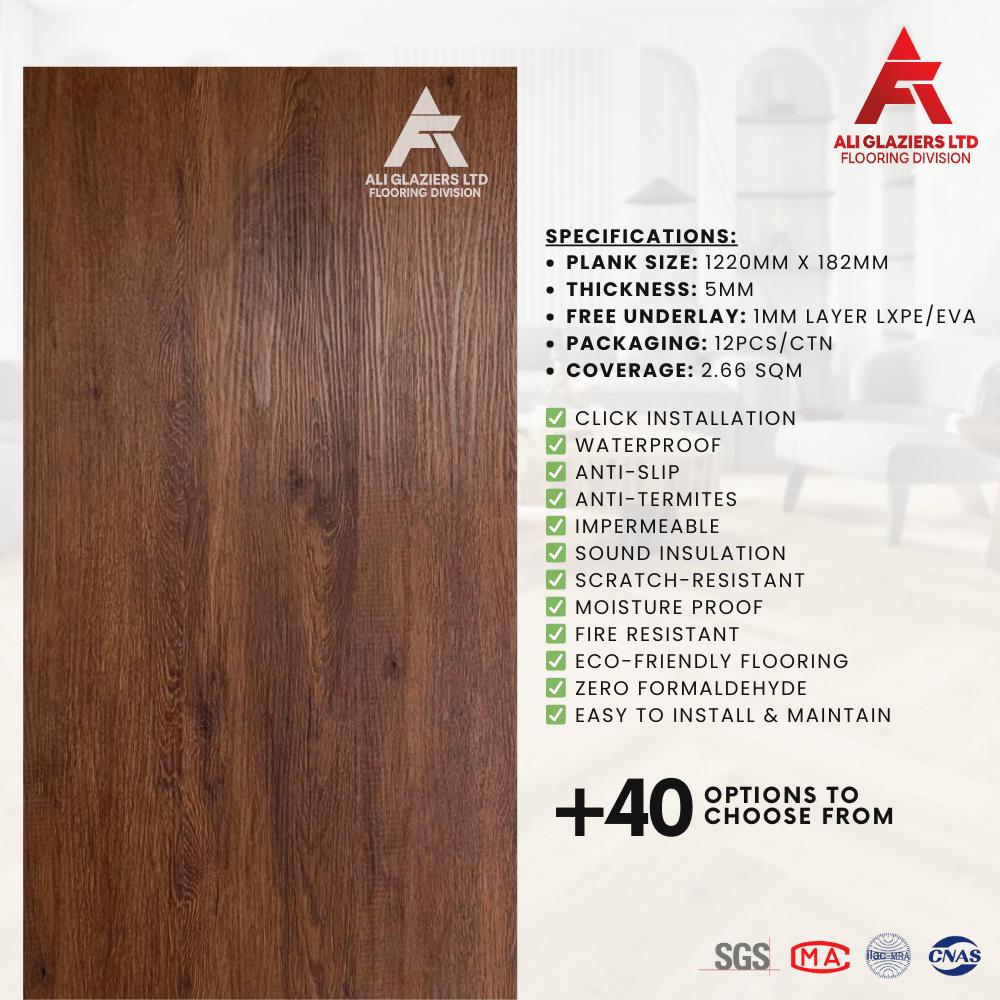
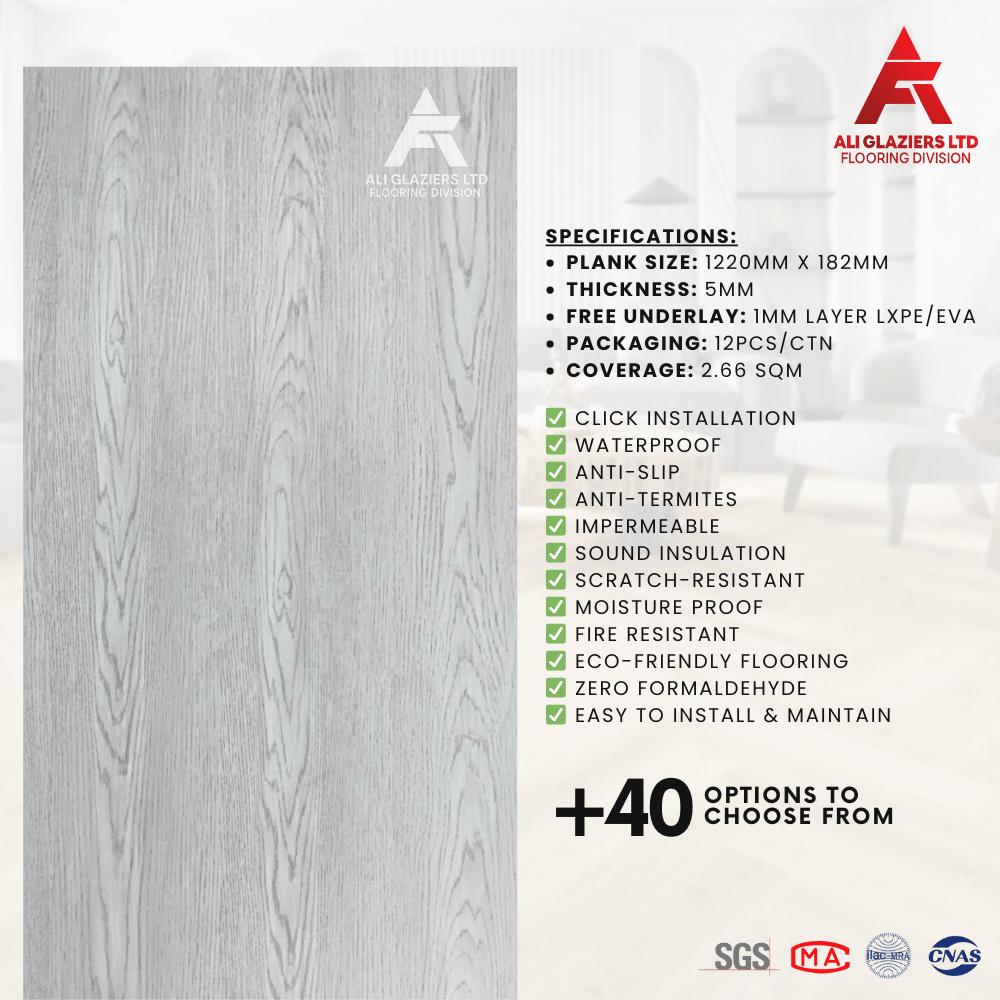
Similarly, SPC flooring may have its own manufacturer's requirements regarding whether additional underlay is permitted or required.
Always check the installation instructions for the exact product.
You can review the SPC flooring range before selecting the complete flooring system.
Choosing Underlay for an Apartment
For an apartment project, consider:
- The flooring type.
- The building structure.
- Acoustic requirements.
- Moisture conditions.
- Subfloor condition.
- Required floor height.
- Manufacturer requirements.
- Door and transition clearances.
If acoustic performance is a priority, ask for documented acoustic performance rather than relying only on product descriptions.
Common Underlay Selection Mistakes
Avoid:
- Choosing underlay based only on thickness
- Assuming every underlay suits every flooring type
- Ignoring manufacturer installation instructions
- Adding underlay where the flooring system does not permit it
- Ignoring moisture conditions
- Forgetting door and transition clearances
- Assuming acoustic performance without supporting documentation
Underlay Selection Checklist
Before purchasing underlay:
- Confirm the flooring type.
- Check the manufacturer's requirements.
- Identify the purpose of the underlay.
- Check the required thickness.
- Consider acoustic requirements.
- Assess moisture conditions.
- Confirm whether DPM protection is required.
- Check floor height and door clearances.
- Confirm compatibility with the complete flooring system.
For additional flooring guidance, visit the Ali Glaziers Flooring knowledge base.
Frequently Asked Questions
What is flooring underlay?
Flooring underlay is a layer installed beneath certain flooring systems to provide functions such as acoustic, thermal or moisture-related performance, depending on the product.
Is thicker underlay always better?
No. Underlay thickness should be selected according to the flooring system, manufacturer requirements and intended function.
What is acoustic underlay?
Acoustic underlay is designed to contribute to the sound performance of a flooring system. Its suitability depends on the specific flooring assembly and documented performance.
Is acoustic underlay useful in apartments?
It can be useful where sound reduction is an important project requirement. An acoustic underlay apartment specification should be based on the required performance and the complete floor construction.
What is DPM underlay?
DPM underlay incorporates a damp-proof membrane function into the underlay system. Its suitability depends on the flooring product, subfloor and moisture requirements.
Final Takeaway
Choosing flooring underlay Kenya projects requires more than comparing thicknesses.
Consider the flooring system, acoustic requirements, thermal objectives, moisture conditions and manufacturer instructions before selecting an underlay.
For project-specific flooring and accessory requirements, contact Ali Glaziers Flooring before installation.
Contact Ali Glaziers Flooring Solutions
Planning a new flooring installation or renovation and need suitable trims, profiles and finishing accessories? Ali Glaziers Flooring Solutions can help you explore flooring options and plan the finishing details for your project.
Visit Us: Funzi Road Branch, End of Funzi Road, Industrial Area, Ali Glaziers LTD Building, Nairobi, Kenya
Call / WhatsApp: +254 (0) 716 259 682, +254 (0) 722 522 452
Email: info@aliglaziers.com
Shop Ali Glaziers Flooring Online
Explore Ali Glaziers Flooring Solutions