

Learn why batch numbers matter on phased flooring orders and how to reduce the risk of visible shade differences between deliveries.
Ordering Flooring for a Phased Project
Phased construction projects can create a flooring problem that is easy to overlook: flooring batch mismatch.
When flooring is purchased and installed at different stages of a project, materials supplied at different times may not necessarily come from the same production batch. For products where batch or dye-lot information affects appearance, this can result in visible shade differences between areas.
The Ali Glaziers Flooring programme specifically identifies flooring batch mismatch as an important quality and planning issue for phased orders.
Shop SPC Flooring
View all SPC Flooring
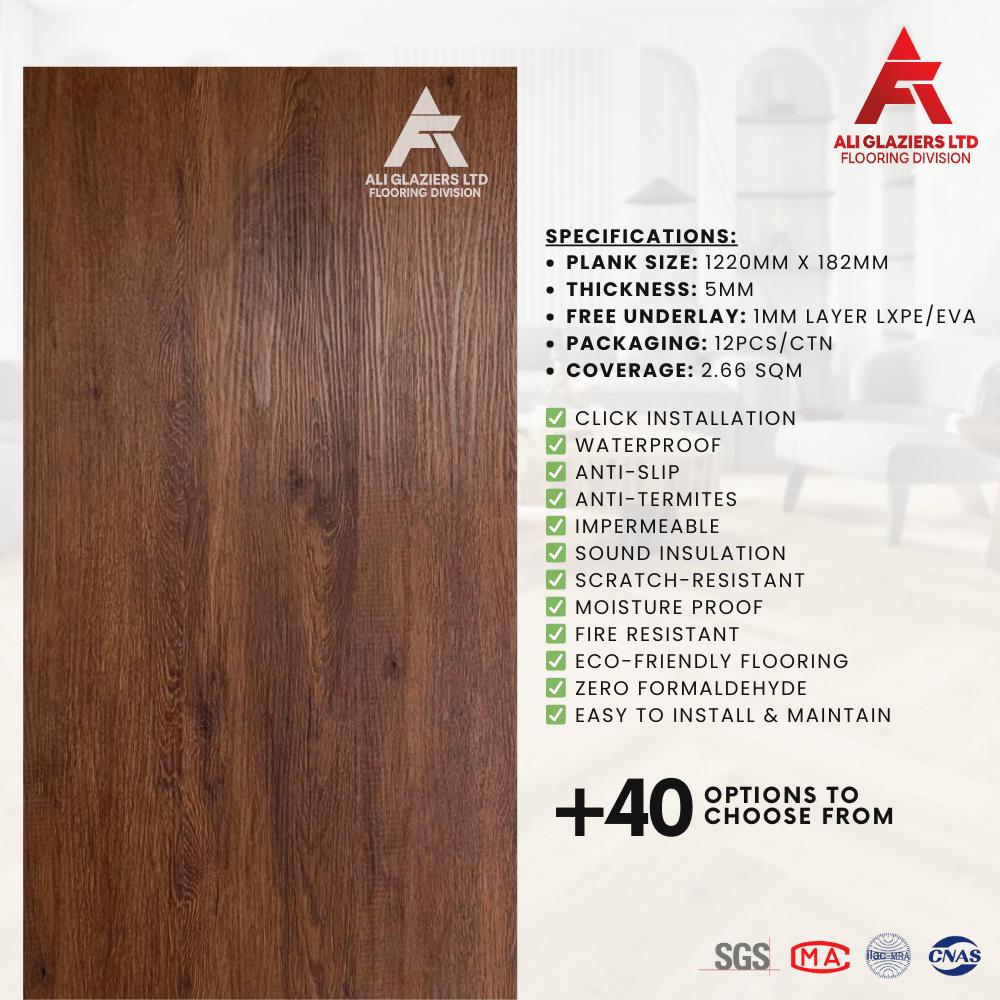


Planning the flooring order properly before installation can help reduce this risk.
What Is Flooring Batch Mismatch?
Flooring batch mismatch occurs when flooring installed in different areas comes from different production batches and there is a noticeable difference in appearance between the materials.
The difference may be particularly noticeable when two adjacent areas use flooring that is intended to look identical.
This is why batch information should be considered when planning a phased flooring order.
Why Batch Numbers Matter
Batch numbers can help identify flooring produced as part of a particular production run.
When a project is being completed in stages, the flooring required for the later phases may be supplied from a different batch.
Instead of assuming that a later delivery will look exactly the same as an earlier delivery, project teams should confirm the relevant batch information with the supplier before ordering.
For large projects, this is especially important when the same flooring specification is being installed across multiple rooms, floors or buildings.
What Is Dye Lot Flooring?
The term dye lot flooring is commonly associated with flooring products where colour consistency between production batches is important.
When planning a phased flooring order, the project team should establish whether the selected product is batch-sensitive and how the manufacturer or supplier manages batch identification.
The correct approach is to rely on the product's applicable documentation and supplier confirmation rather than assuming that two deliveries will be visually identical.
How to Prevent Flooring Batch Mismatch
A practical approach is to plan the complete flooring requirement before the first phase is ordered.
Calculate the Full Project Requirement
Determine the flooring quantity required for the entire project rather than only calculating the first phase.
This gives the procurement team a clearer picture of the total material requirement.
Identify the Product and Reference
Record the exact flooring product, colour, design and product reference being specified.
This makes it easier to identify the intended material when subsequent phases are ordered.
You can review the available flooring products and categories before finalising the project specification.
Ask About Batch Information
Before placing a phased order, ask the supplier whether batch information is available for the selected product.
If batch consistency is important for the project, this should be discussed before the initial order is placed.
Plan Future Phases Early
If the project will be completed over several months, discuss the anticipated requirements with the supplier as early as possible.
This can help the project team understand stock availability and potential procurement issues.
The flooring programme includes delivery and lead-time planning as an important consideration for flooring projects.
For broader product planning, review the flooring catalogue and confirm current availability before committing to a phased programme.
Keep Batch Information With Project Records
Where batch information is provided, keep it with the project's procurement and installation records.
This can help identify which materials were installed in each phase.
Flooring Batch Mismatch and Phased Construction
Phased projects can include:
- Residential developments
- Apartment blocks
- Office fit-outs
- Hotels
- Schools
- Healthcare facilities
- Retail developments
- Renovation projects
The larger and more phased the project, the more important it becomes to maintain consistent procurement records.
For example, an apartment development might have flooring installed in several blocks over different periods. If the same flooring is specified throughout the development, the project team should consider batch consistency when planning procurement.
What If the Flooring Has Already Been Delivered?
If different batches have already arrived, do not assume that they are interchangeable.
First, check the product references and batch information available on the packaging or documentation.
If there is concern about a visible difference, contact the supplier before installation continues.
Where appropriate, compare the materials under suitable lighting and in the intended installation environment before committing to large-scale installation.
For product-specific questions, the Ali Glaziers Flooring knowledge base provides additional flooring information and guidance.
Keep Phased Flooring Orders Documented
Good documentation can make future phases easier to manage.
Project records can include:
- Product name
- Product reference
- Colour or design
- Quantity ordered
- Order date
- Delivery date
- Batch information where supplied
- Installation area
- Remaining stock
- Future phase requirements
Keeping these details together creates a useful record for procurement and installation teams.
Avoid Ordering Only for the Current Phase
One of the biggest planning mistakes in a phased project is treating every phase as a completely separate flooring purchase.
If the same flooring is required throughout the project, the future requirement should be considered before the initial order is finalised.
This does not mean that every project must purchase its entire flooring requirement at once. Instead, it means the project team should understand the risks associated with future deliveries and plan accordingly.
What Should You Ask Your Flooring Supplier?
Before placing a phased flooring order, ask:
- What is the exact product reference?
- Is batch information available?
- Does the product have dye-lot considerations?
- Can future phases be supplied consistently?
- What is currently available?
- What are the expected lead times?
- How should unused flooring be stored?
- What documentation should be retained?
The answers will depend on the specific flooring product and project requirements.
For project-specific assistance, you can contact Ali Glaziers Flooring before finalising your procurement schedule.
Flooring Batch Mismatch Checklist
Before starting a phased flooring project:
- Confirm the exact product and colour.
- Record the product reference.
- Establish whether batch information is relevant.
- Ask about dye-lot considerations where applicable.
- Estimate the total project requirement.
- Discuss future phases with the supplier.
- Record delivery and batch information.
- Check materials before installation.
- Keep sufficient project documentation.
- Confirm availability before ordering later phases.
Frequently Asked Questions
What is flooring batch mismatch?
Flooring batch mismatch occurs when flooring from different production batches has a noticeable appearance difference when installed together or across different areas of the same project.
Why are batch numbers important for flooring?
Batch numbers can help identify materials from a particular production run. They are useful when managing phased orders where the same flooring product is required at different times.
What is dye lot flooring?
Dye lot flooring refers to flooring where production batches may be identified by dye or colour-lot information. The relevance of dye lots depends on the specific flooring product.
How can I avoid flooring batch mismatch?
Plan the total project requirement, identify the exact product reference, ask about batch information and discuss future phases with the supplier before placing orders.
Should I order all flooring for a phased project at once?
Not necessarily. The correct procurement approach depends on the project, storage capacity, availability and product. However, the complete project requirement should be considered before the first phase is ordered.
Final Takeaway
Flooring batch mismatch is a planning issue that should be considered before a phased flooring project begins.
By identifying the exact product, understanding batch information, planning future requirements and keeping clear procurement records, project teams can reduce the risk of visible differences between flooring supplied at different stages.
For a phased flooring project, discuss the complete requirement with the supplier before ordering the first phase and retain the relevant product and delivery information throughout the project.
Contact Ali Glaziers Flooring Solutions
Planning a new flooring installation or renovation and need suitable trims, profiles and finishing accessories? Ali Glaziers Flooring Solutions can help you explore flooring options and plan the finishing details for your project.
Visit Us: Funzi Road Branch, End of Funzi Road, Industrial Area, Ali Glaziers LTD Building, Nairobi, Kenya
Call / WhatsApp: +254 (0) 716 259 682, +254 (0) 722 522 452
Email: info@aliglaziers.com