
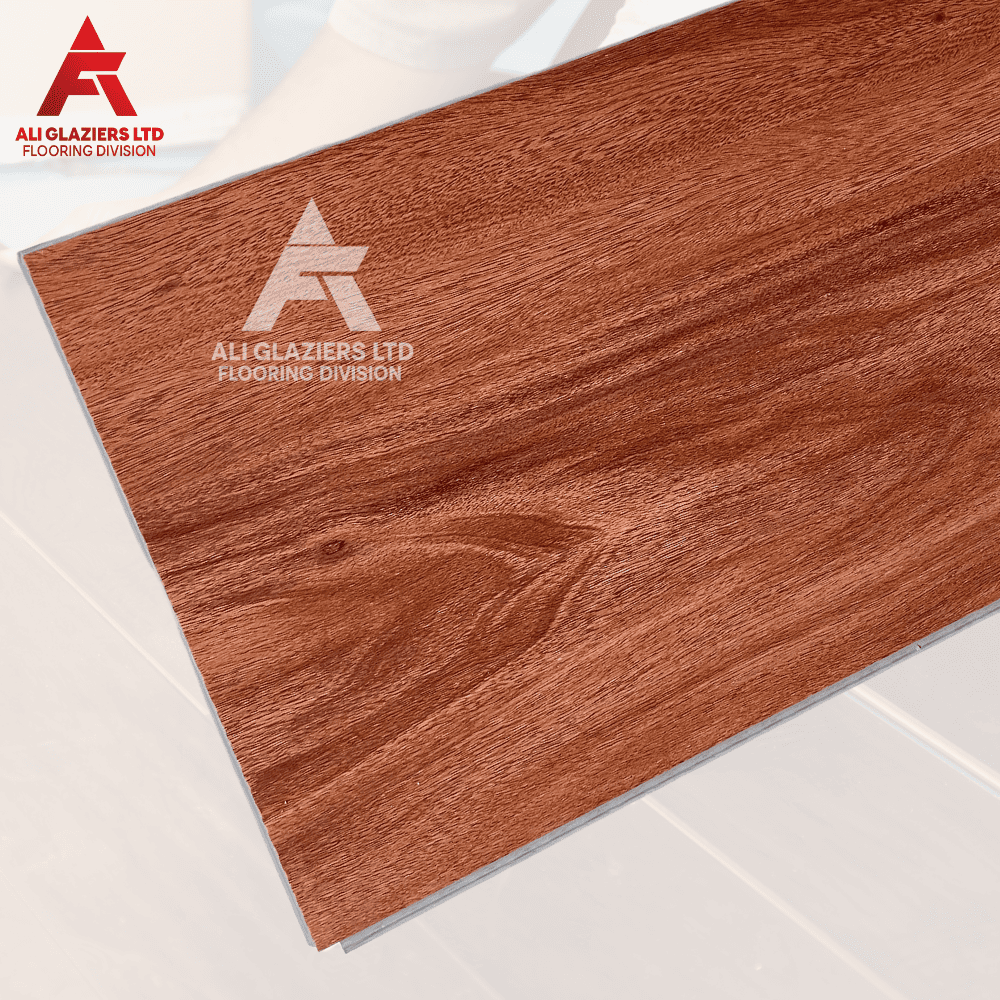
Living in an apartment comes with convenience, but noise is a common challenge. Footsteps from upstairs neighbors, traffic vibrations, or echoes inside your own unit can disrupt comfort and sleep. For many Nairobi residents, apartment soundproofing...
Soundproof Flooring Underlayment Kenya for Modern Apartments
Soundproof flooring underlayment is becoming increasingly popular in modern apartments, especially in busy urban areas like Nairobi. With more people living in multi-storey buildings, noise from footsteps, furniture movement, and general activity has become a common concern.
Underlayment is one of the most effective solutions used beneath flooring systems like laminate, vinyl, and SPC to help reduce noise and improve indoor comfort.
What is Flooring Underlayment?
Underlayment is a thin protective layer installed between the subfloor and the finished flooring. It acts as a cushion that helps absorb sound, reduce vibration, and improve comfort underfoot.
Shop Vinyl Flooring
View all Vinyl Flooring



Explore flooring options here:
Does Underlayment Really Help with Soundproofing?
Yes, soundproof flooring underlayment helps reduce noise, but its effectiveness depends on the type of material used and the flooring system above it.
It helps reduce:
- Footstep noise between floors
- Impact vibrations
- Echo within rooms
- General movement noise
However, it does not completely block loud external sounds or structural building noise.
How Soundproof flooring underlayment Works
Underlayment works by absorbing impact energy before it travels through the floor structure.
Key functions:
- Cushions footsteps
- Reduces vibration transfer
- Improves acoustic comfort
- Adds a barrier between flooring layers
Best Flooring Systems for Noise Reduction
Laminate Flooring with Underlayment
Laminate flooring becomes significantly quieter when paired with quality underlayment.
View options:
Vinyl Flooring
Vinyl flooring naturally provides a softer and quieter surface compared to tile.
Explore vinyl flooring:
SPC Flooring with Acoustic Layer
SPC flooring is rigid, but when combined with acoustic underlayment, it becomes more sound-friendly.
View SPC flooring:
Types of Underlayment Used in Kenya
Different materials offer different levels of sound control:
- Foam underlayment – basic sound reduction
- Cork underlayment – natural acoustic insulation
- Rubber underlayment – high-performance noise control
- Multi-layer underlay – moisture + sound protection
Benefits of Soundproof flooring underlayment
Beyond noise reduction, underlayment also provides:
- Better walking comfort
- Thermal insulation
- Longer flooring lifespan
- Moisture protection (depending on type)
It is especially useful in apartments where floors are installed over concrete slabs.
Where It Works Best
Soundproof flooring underlayment is ideal for:
- Apartments in Nairobi
- Multi-storey homes
- Bedrooms
- Living rooms
- Offices
It is most effective in high-density residential buildings.
Installation Tips
For best performance:
- Ensure subfloor is clean and level
- Choose the correct underlayment type for your flooring
- Avoid gaps during installation
- Use professional installation for best results
Explore accessories:
Where to Buy Flooring in Kenya
For quality flooring systems and accessories, Ali Glaziers Flooring Solutions provides durable SPC, vinyl, and laminate flooring options suitable for modern apartments in Nairobi and across Kenya.
Conclusion
Soundproof flooring underlayment is an effective solution for reducing noise in apartments and improving indoor comfort. While it does not eliminate all sound, it significantly reduces impact noise and enhances the overall living experience in modern Kenyan homes.
Contact Information
Phone:
+254 716 259 682
+254 722 671 352
+254 722 522 452
+254 723 354 299
Email:
info@aliglaziers.com
Location:
Ali Glaziers Ltd Building
End Funzi Road
Industrial Area
Nairobi, Kenya